22 June، 2026
Master’s Thesis Discusses Molecular Diagnosis of the Microbial Community in Diabetic Foot Infections
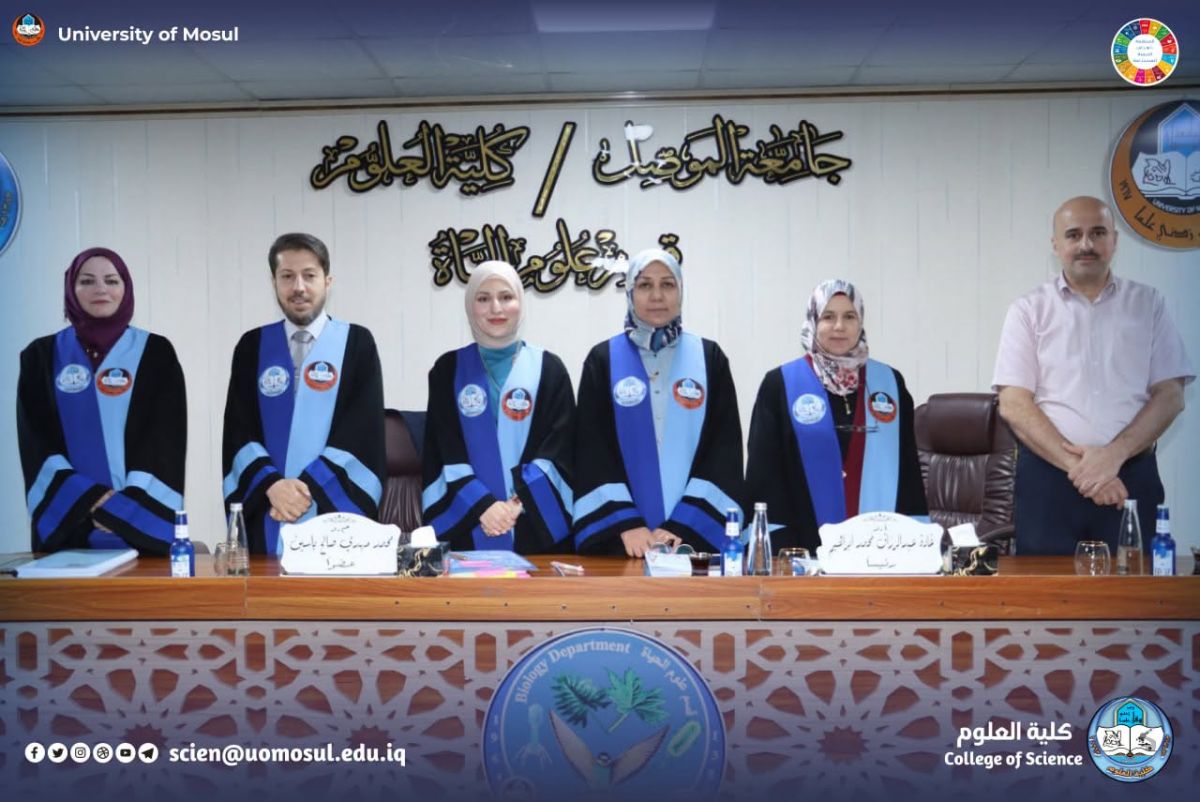
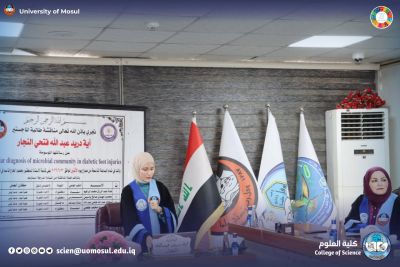
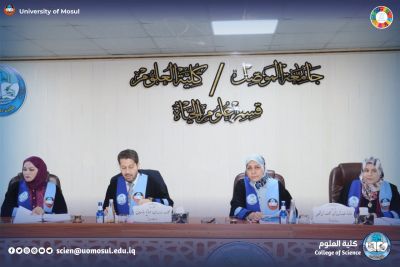
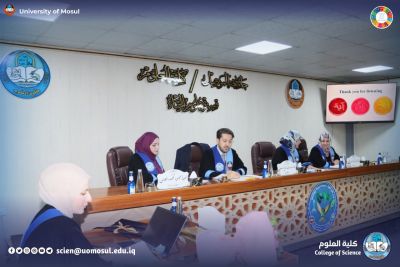
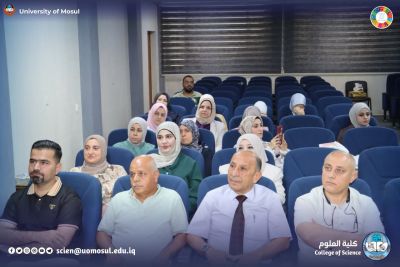
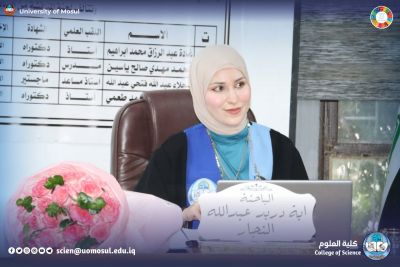
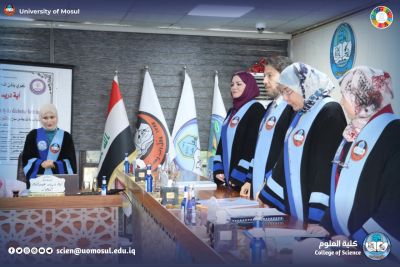
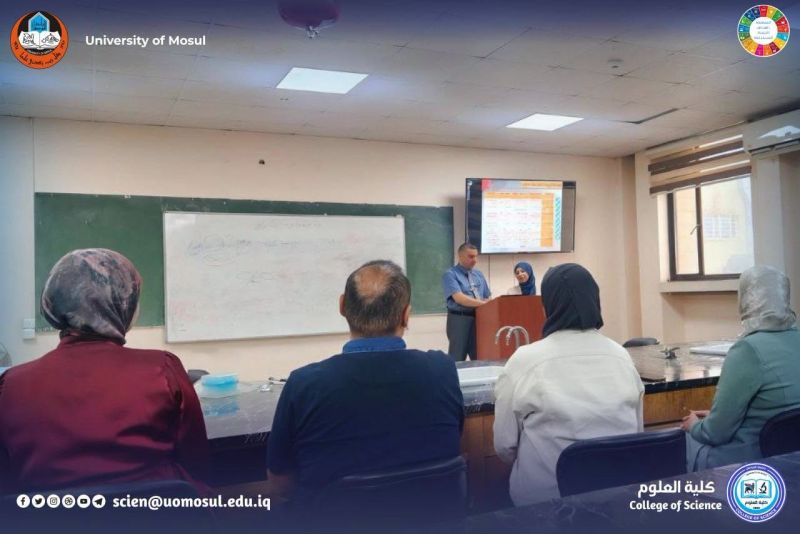
The Department of Biology at the College of Science, University of Mosul, discussed a Master’s thesis entitled “Molecular Diagnosis of the Microbial Community in Diabetic Foot Infections,” presented by Aya Duraid Abdullah from the Microbiology Branch, on Monday, June 22, 2026.
The study aimed to characterize the microbial community associated with diabetic foot infections in the city of Mosul using conventional microbiological techniques alongside advanced molecular diagnostic methods, with particular emphasis on identifying bacterial species responsible for infection and investigating their antibiotic resistance profiles.
The findings revealed bacterial growth in the majority of the examined samples, with a predominance of Gram-negative bacteria, reflecting the polymicrobial nature of diabetic foot infections. Several clinically significant bacterial species were identified, including Proteus mirabilis, Pseudomonas aeruginosa, Klebsiella pneumoniae, Acinetobacter baumannii, Staphylococcus aureus, and Enterococcus faecalis, in addition to the detection of several rare bacterial species through molecular diagnostic techniques.
The study employed Polymerase Chain Reaction (PCR) and 16S rRNA gene sequencing to accurately identify selected bacterial isolates. Their genetic sequences were deposited in the GenBank database of the National Center for Biotechnology Information (NCBI) under the accession numbers PZ152071, PZ152775, PX916361.1, PX765887, PZ106647, PX631937, and PZ106645, contributing to the documentation of microbial diversity associated with diabetic foot infections and enriching international genetic databases.
The research also reported the first regional isolation of several bacterial species from diabetic foot infections, including Clostridium perfringens, Enterococcus faecalis, and Corynebacterium striatum. Furthermore, it documented the first-ever global isolation of Chryseobacterium fistulae from diabetic foot infections, representing a significant scientific contribution that highlights the importance of molecular diagnostics in detecting rare pathogens and characterizing microbial diversity associated with these infections.
Antibiotic susceptibility testing demonstrated that the bacterial isolates exhibited multiple antimicrobial resistance patterns. In addition, the study revealed promising antimicrobial activity of alum, particularly when combined with natural white vinegar, in inhibiting the growth of several pathogenic bacteria isolated from diabetic foot infections. These findings provide a basis for future research aimed at developing cost-effective and clinically applicable alternative therapeutic approaches.
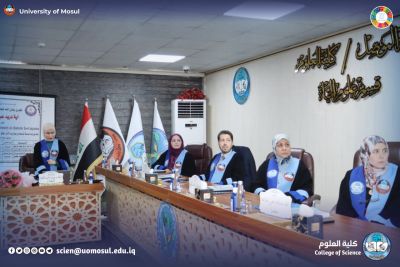
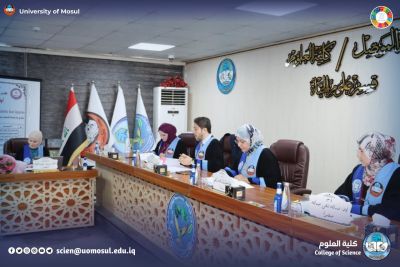
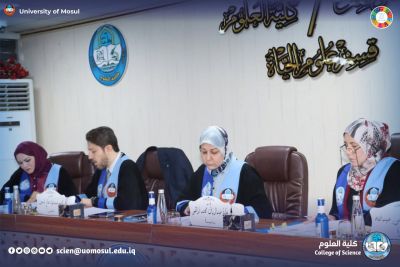
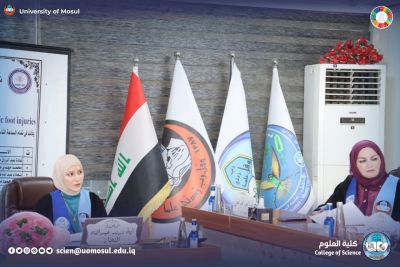
The examination committee was chaired by Prof. Ghada Abdul Razzaq, with Dr. Mohammed Mahdi and Assist. Prof. Najlaa Abdullah serving as members. Prof. Ameera Mahmood Al-Rawi supervised the thesis and also served as a member of the examination committee.
We wish our dear student continued success and excellence in her academic and professional journey.
Media and Government Communication Division
Monday, June 22, 2026