22 July، 2026
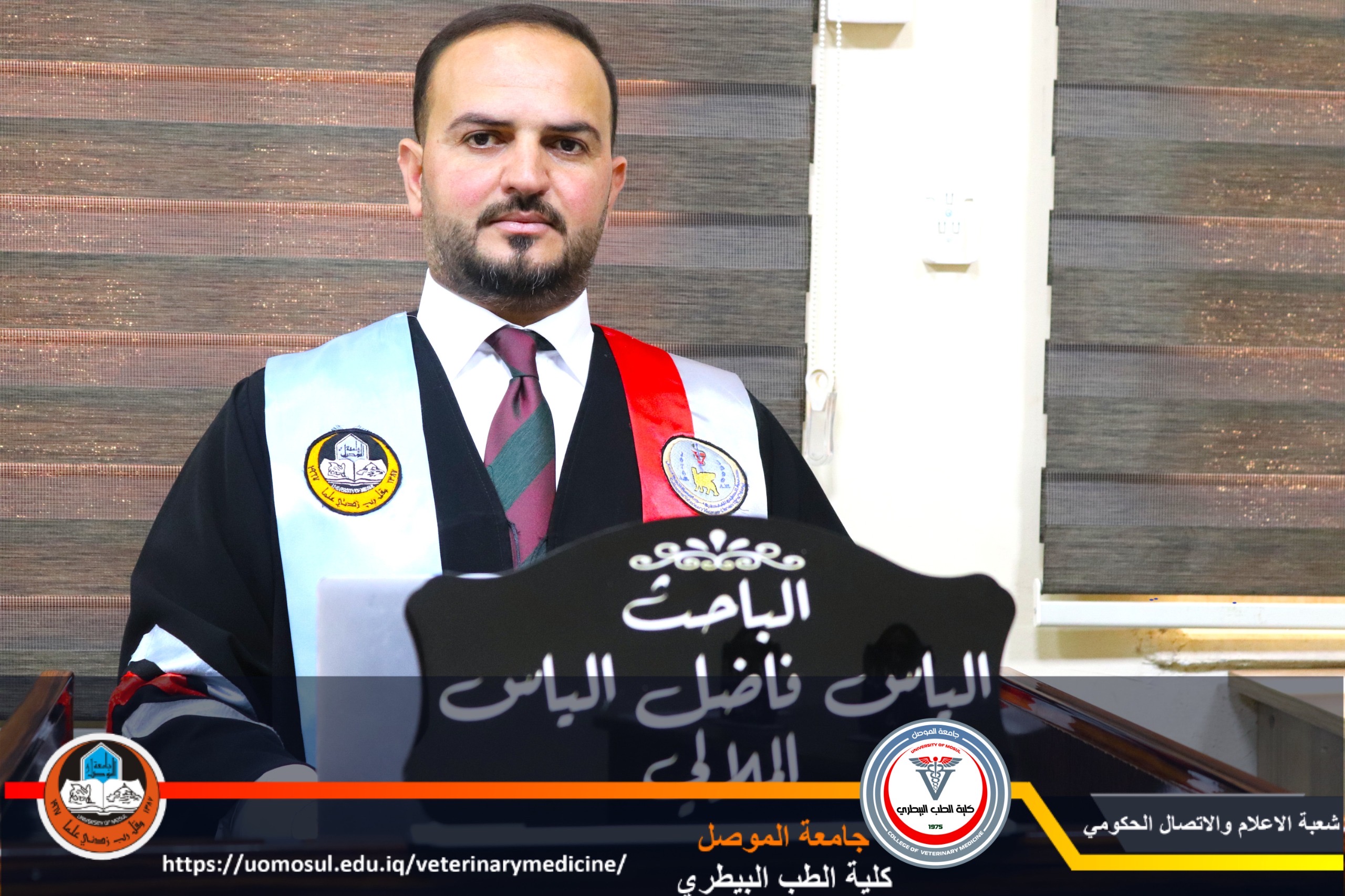
A master’s thesis presented by Elias Fadel Elias Ibrahim “Morphological and Molecular Diagnosis of Babesia spp. and Transmitted Ticks in Buffaloes”
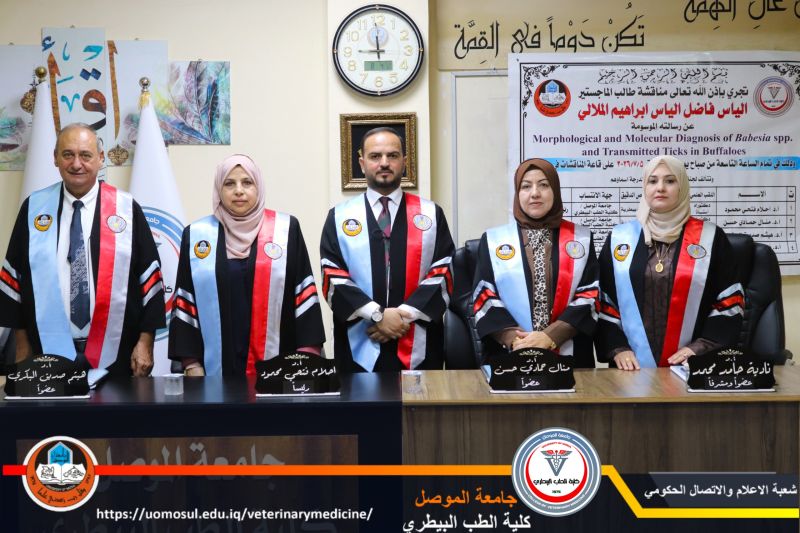
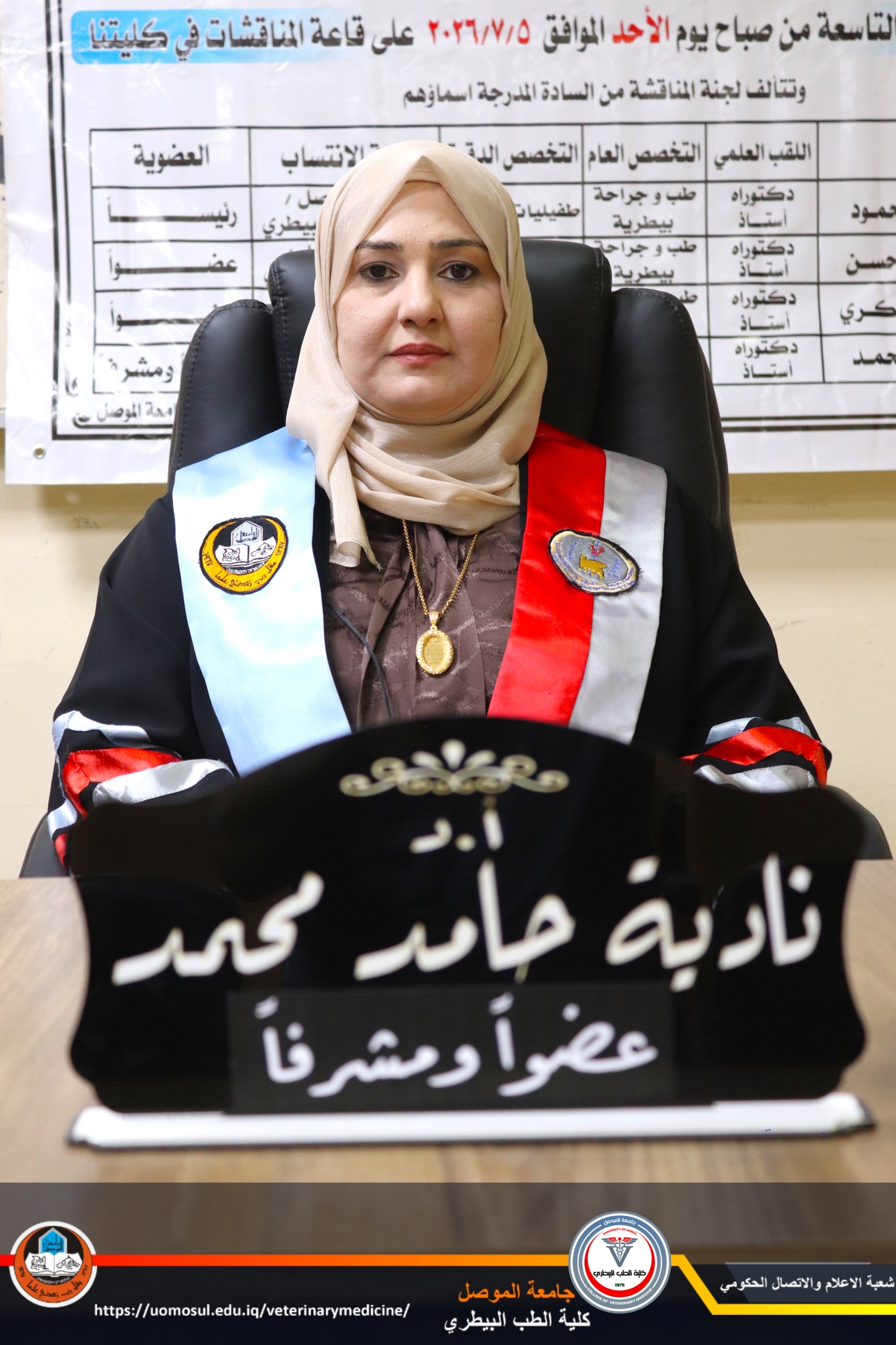
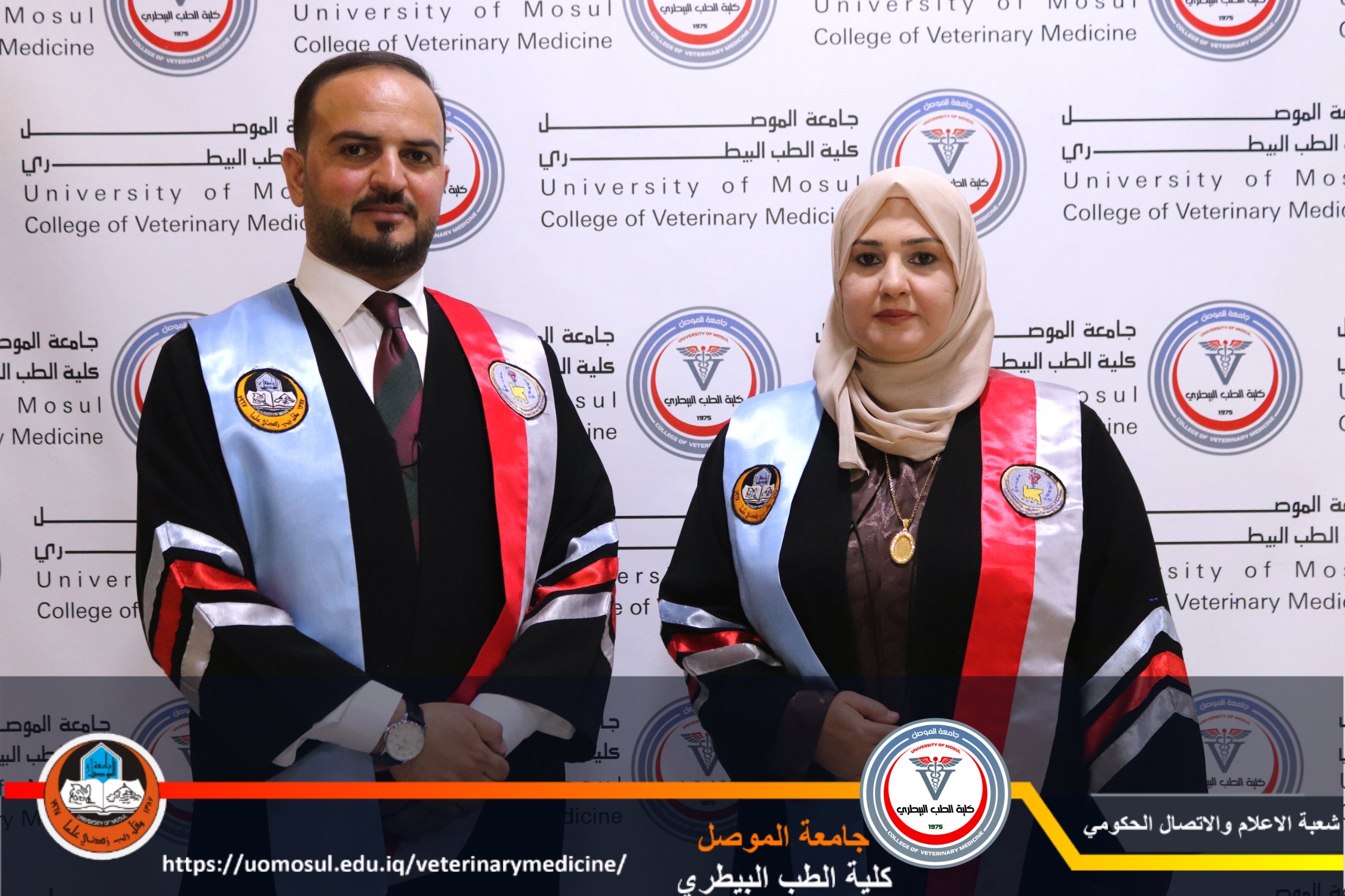
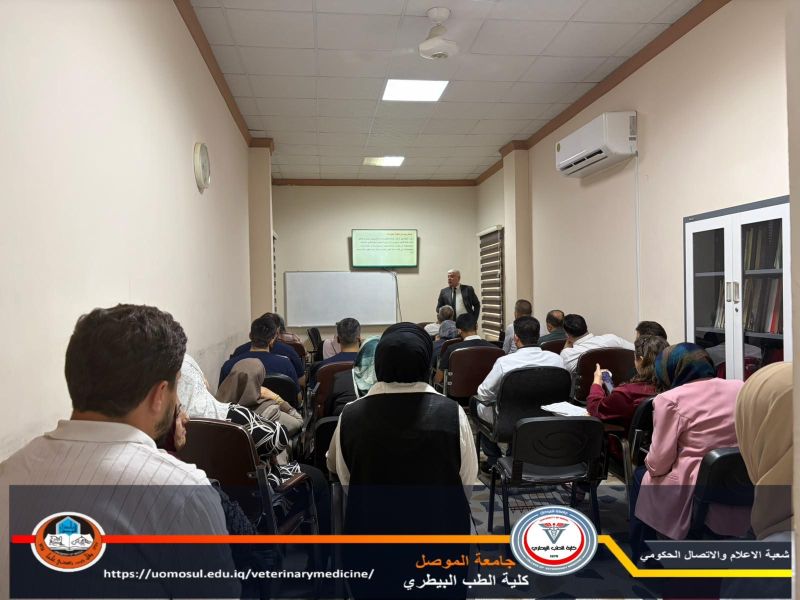
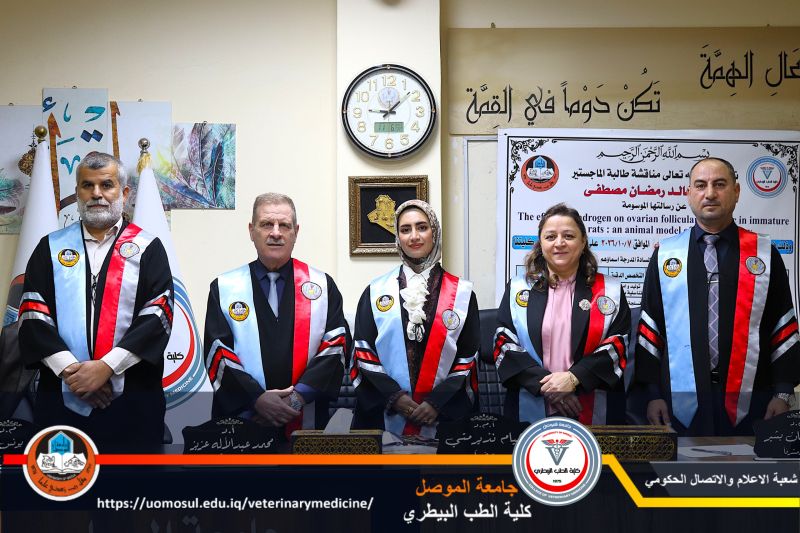
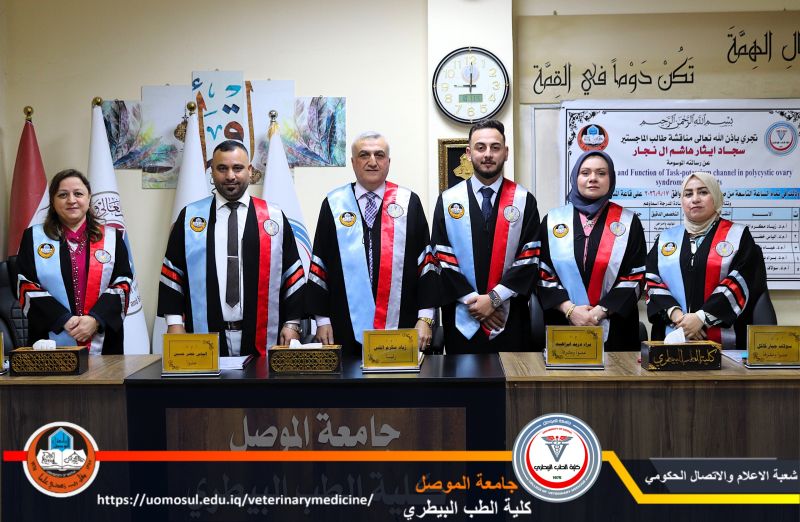
The master’s thesis titled: “Morphological and Molecular Diagnosis of Babesia spp. and Transmitted Ticks in Buffaloes” by the student Elias Fadel Elias Ibrahim, under the supervision of Prof. Nadia Hamed Mohammed, was discussed on Sunday, 5 July 2026 at the Department of Microbiology, College of Veterinary Medicine.
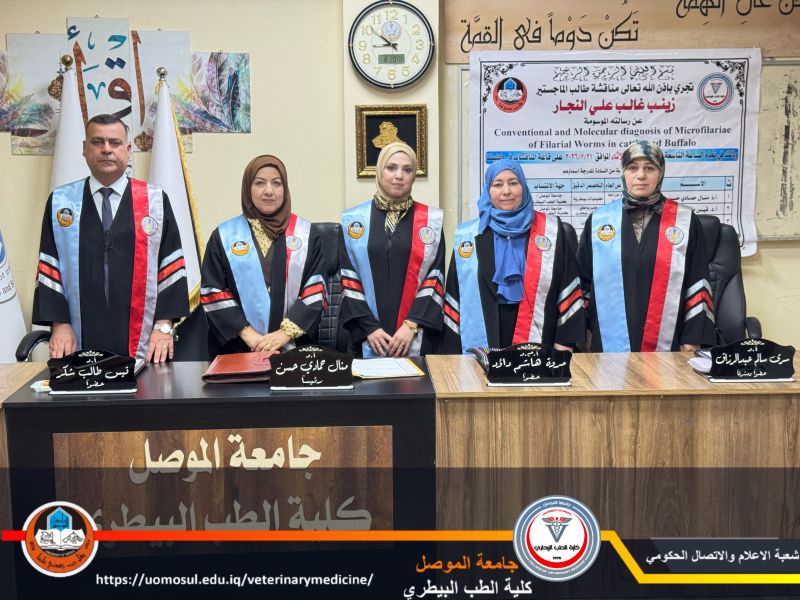
The examination committee consisted of the following members:
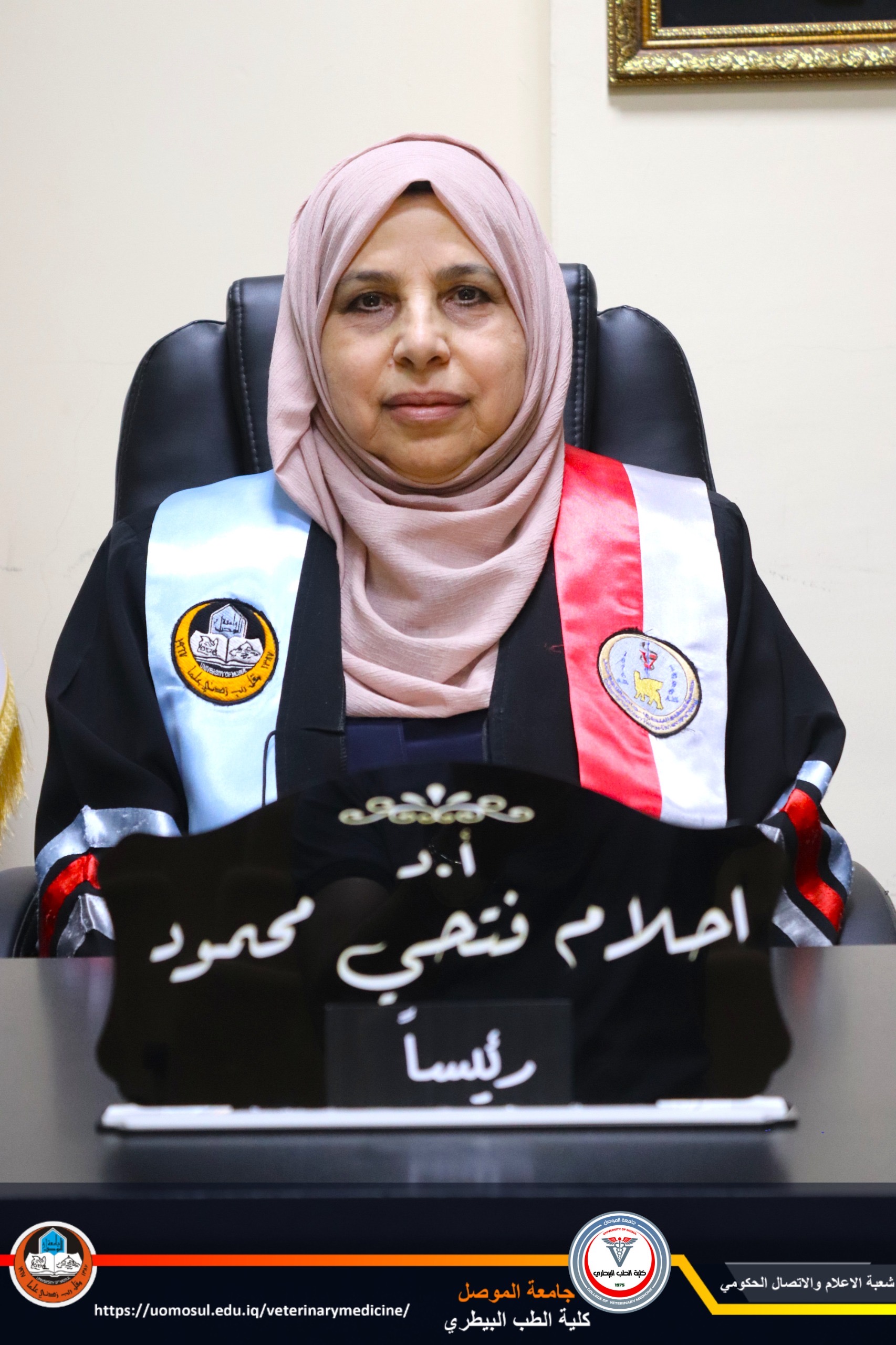
- Prof. Ahlam Fathi Mahmood (College of Veterinary Medicine – University of Mosul) – Chair
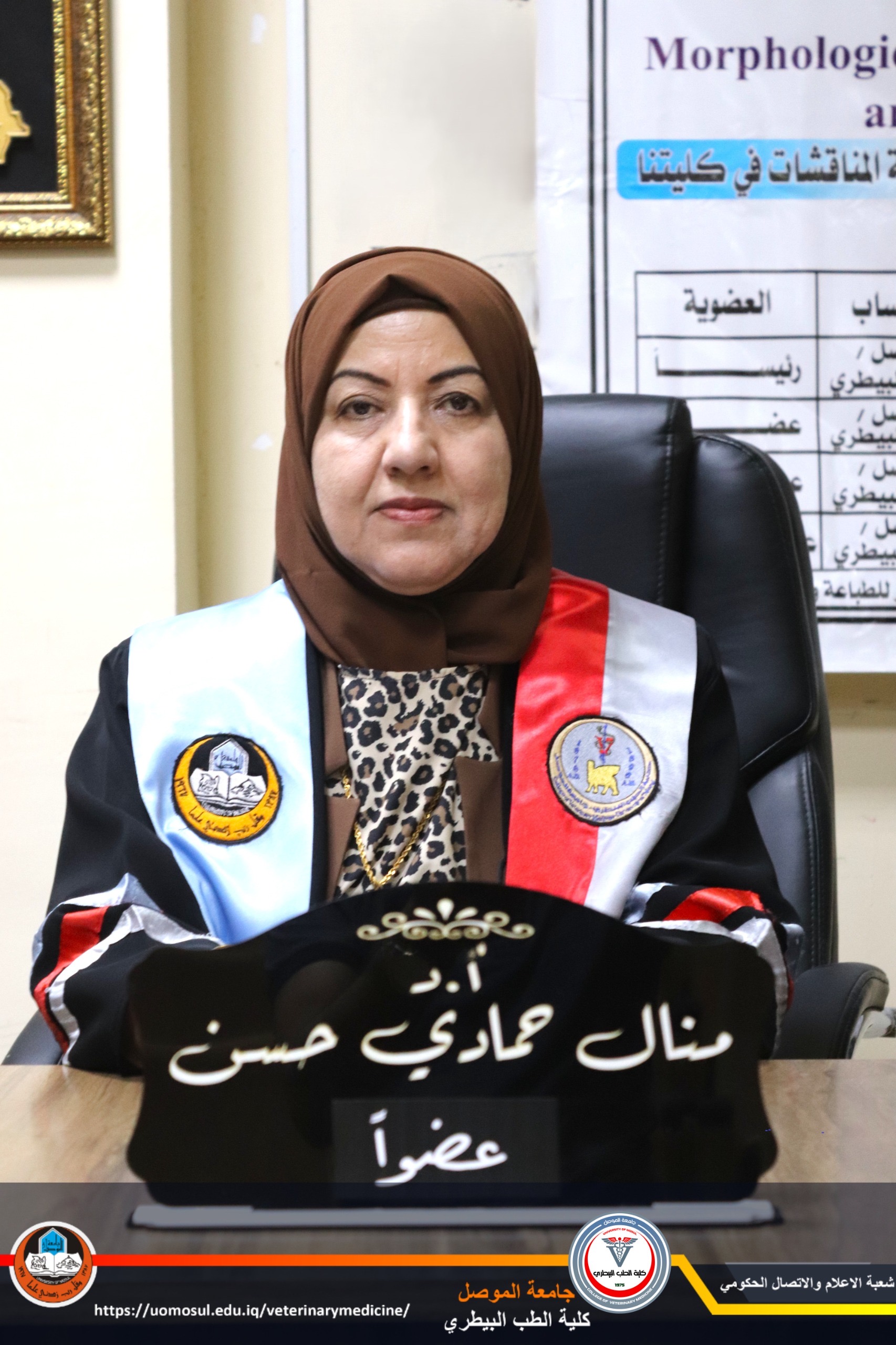
- Prof. Manal Hammadi Hassan (College of Veterinary Medicine – University of Mosul) – Member
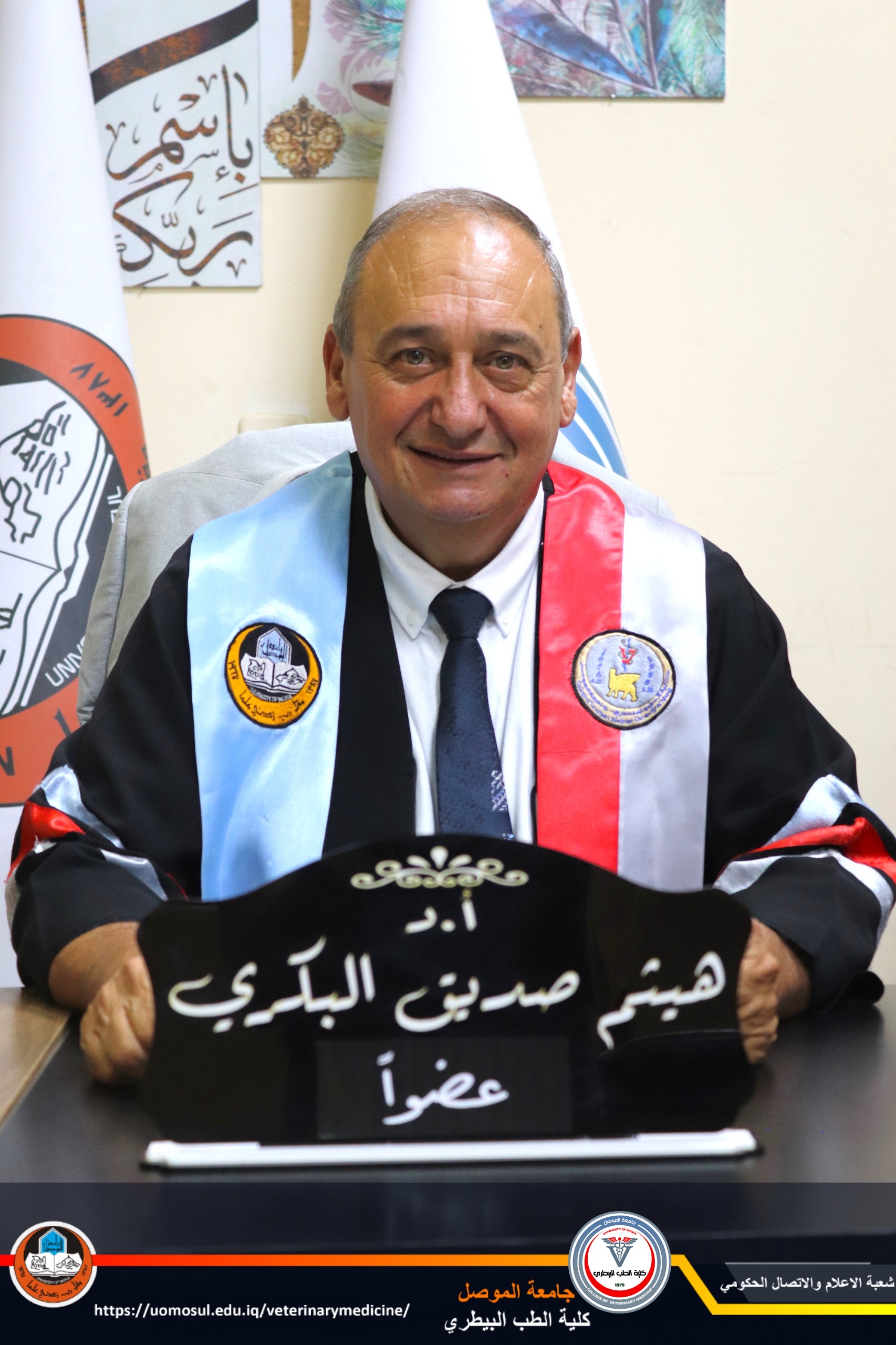
- Prof. Haitham Sadiq Al‑Bakri (College of Veterinary Medicine – University of Mosul) – Member
- Prof. Nadia Hamed Mohammed (College of Veterinary Medicine – University of Mosul) – Member and Supervisor
The study revealed significant scientific findings that enhanced the understanding of babesiosis in buffaloes. It successfully diagnosed Babesia bovis and Babesia bigemina using microscopic examinations and molecular techniques and recorded four genetic isolates in the GenBank database. The research also identified five species of ticks responsible for transmitting the parasite and demonstrated the efficiency of ready-made Leishman stain and Acridine Orange stain for rapid diagnosis. Additionally, it documented the developmental stages of the parasite within the hemolymph of ticks, contributing to a deeper understanding of disease transmission and supporting the development of effective control programs to reduce losses in buffalo herds.
After the student confidently defended his thesis and addressed the committee’s questions, the thesis was approved.
Congratulations to the researcher, the supervisor, the College, and the Department of Microbiology on this scientific achievement. Best wishes to the examination committee. This defense aligns with Sustainable Development Goal 4 (Quality Education).
University of Mosul
College of Veterinary Medicine
Department of Microbiology