23 December، 2025
The College of Administration and Economics at the University of Mosul Leads International Scientific Dialogue on the Future of Accounting and Finance in the Age of Artificial Intelligence
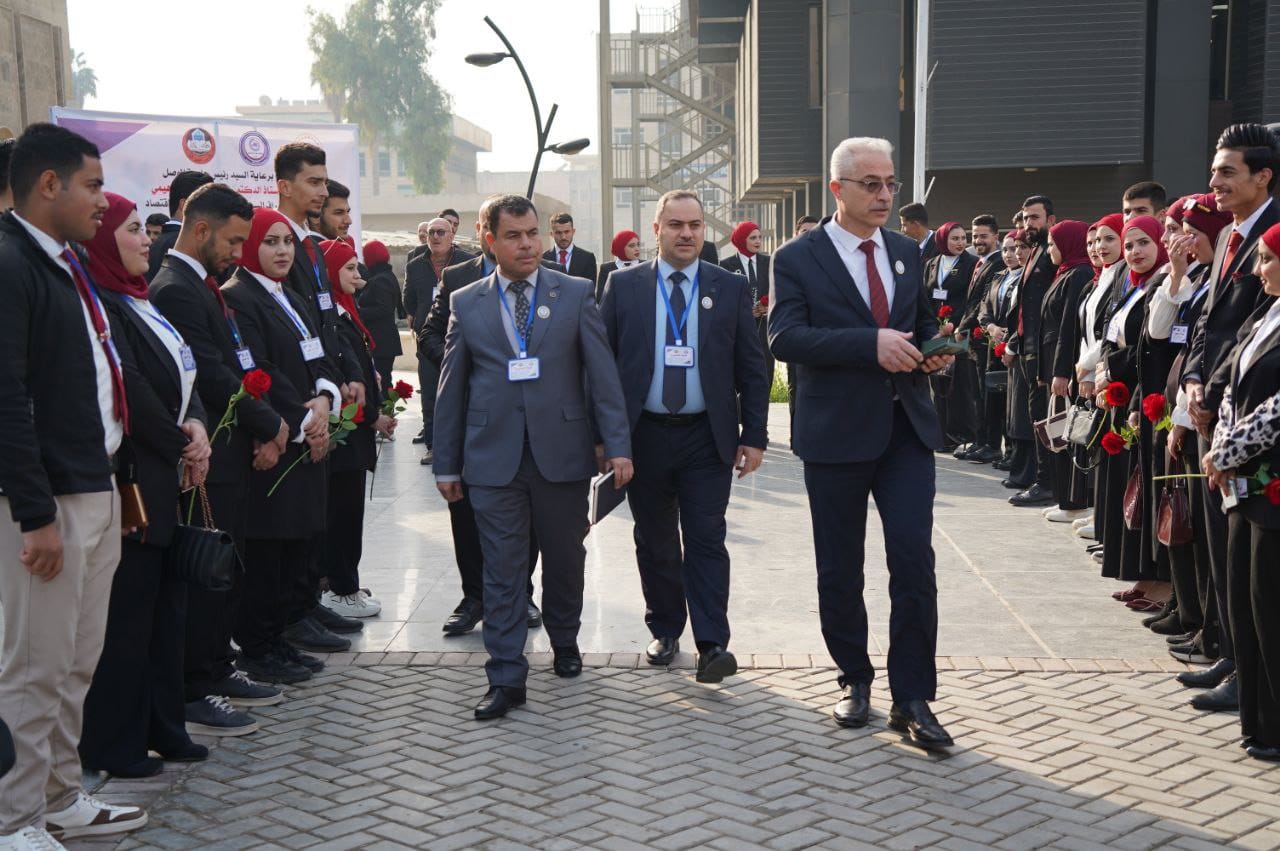
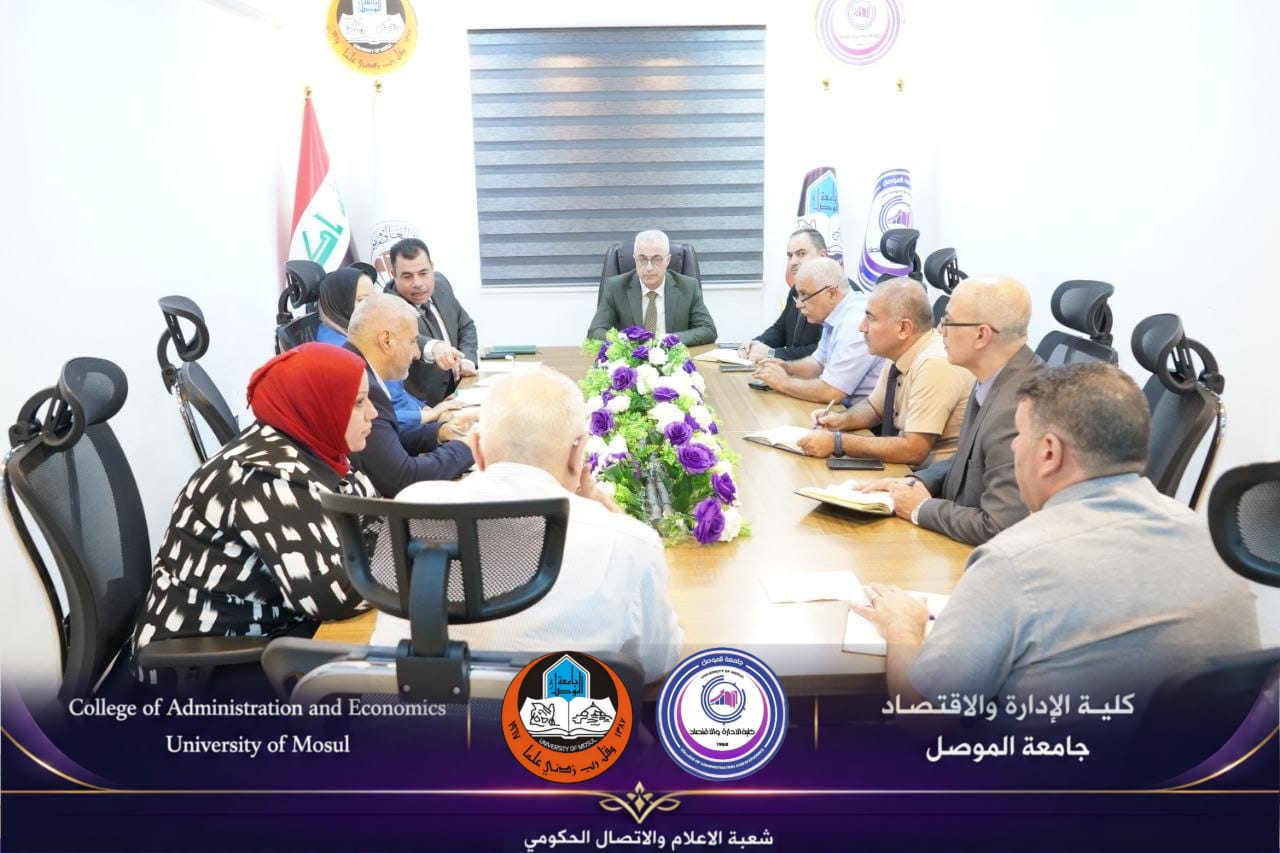
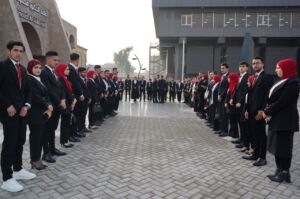
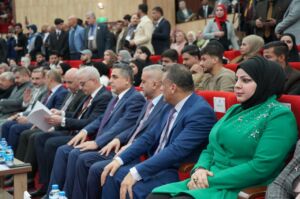
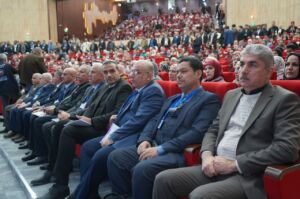
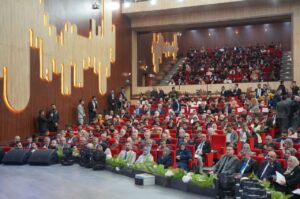
Under the patronage of Professor Dr. Waheed Mahmoud Al-Ibrahimi, President of the University of Mosul, and the supervision of Professor Dr. Sinan Zuhair Mohammed Jameel, Dean of the College of Administration and Economics, the College held, on Tuesday morning, 23 December 2025, the First International and Second National Scientific Conference entitled:
“Prospects for Developing Accounting and Financial Practices in the Environment of Artificial Intelligence and Cybersecurity to Achieve Sustainable Development Goals in Financial Institutions.”
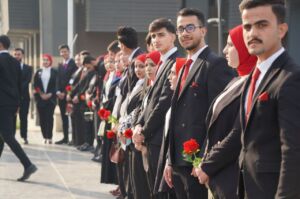
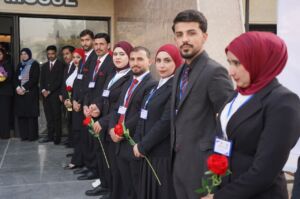
The conference, organized over two days, represents a significant scientific initiative reflecting the College’s academic leadership and active research presence.
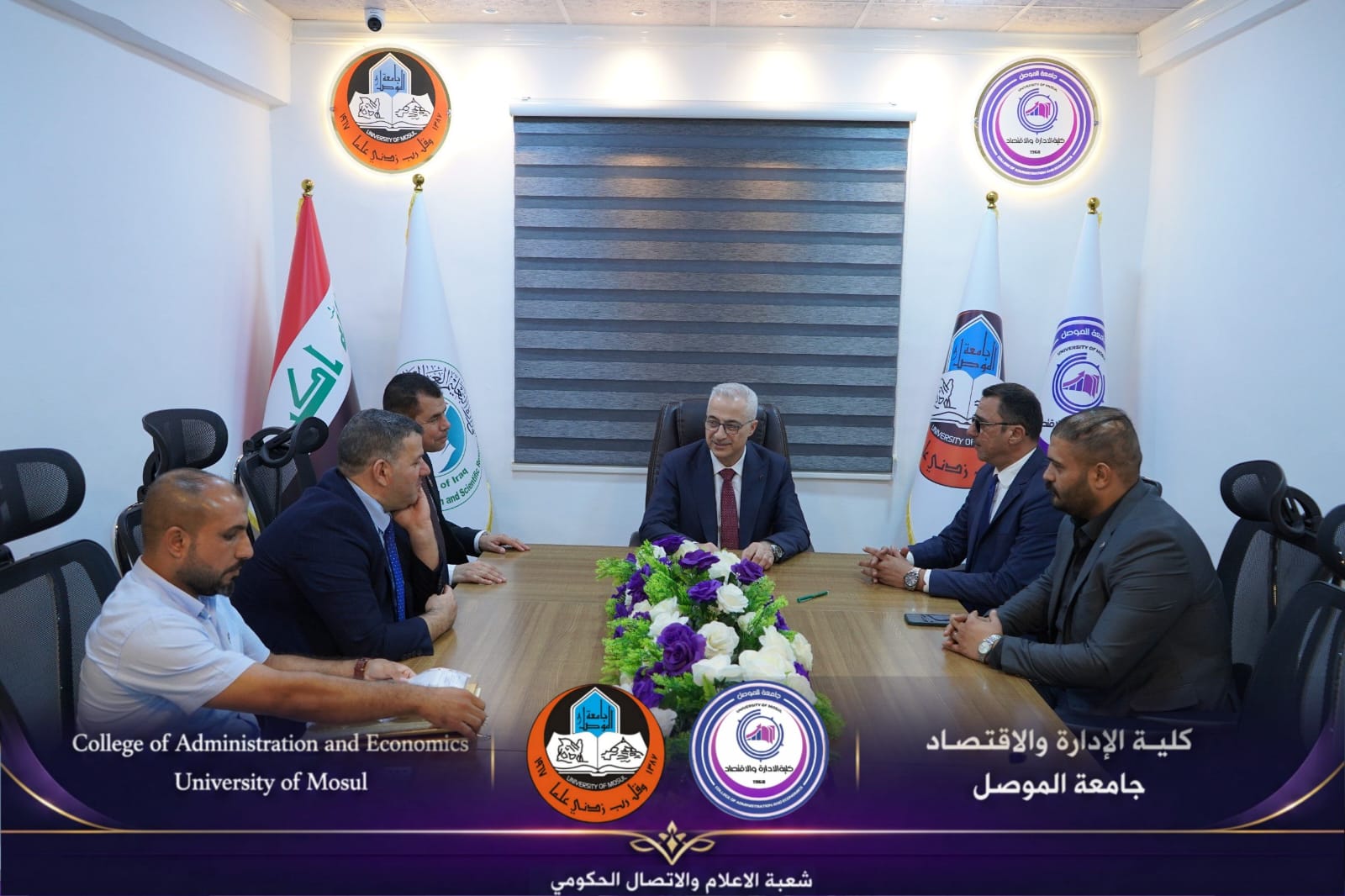
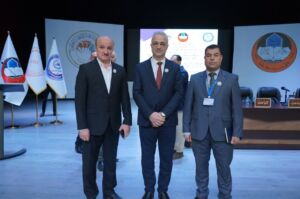
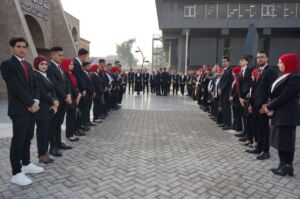
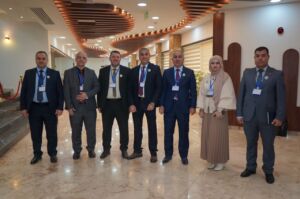
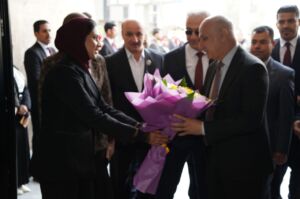
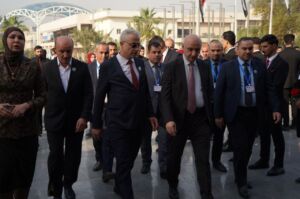
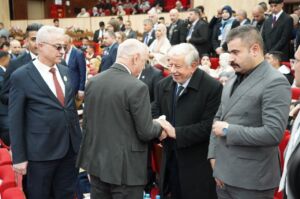
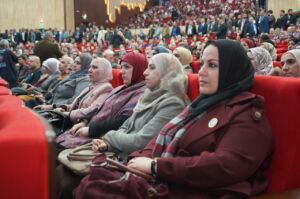
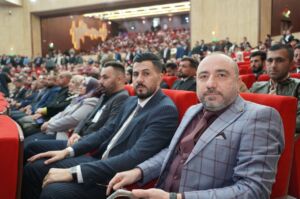
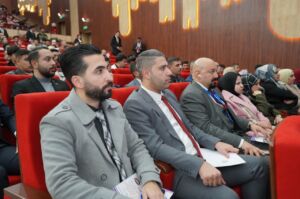
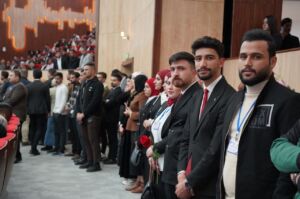
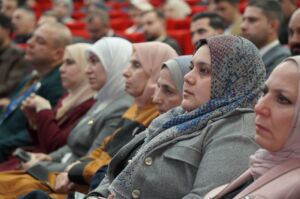
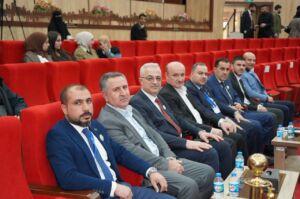
The conference witnessed broad attendance by a distinguished group of academic and administrative leaders, including Professor Dr. Ubay Saeed Al-Duwehji, President of Al-Furqan University; Professor Dr. Osama Al-Mashhadani, President of Nineveh University; Mr. Rifaat Samu, Deputy Governor of Nineveh for Administrative Affairs; Mr. Nasr Mohammed Aidan, Director of Internal Control and Auditing in Nineveh Governorate; Dr. Alia Niazi Taher, Representative of the Central Bank of Iraq; and Mr. Sherwan Anwar Mustafa, Representative of the Iraqi Private Banks League. The event was also attended by members of the University Council, academics and researchers from Iraq and abroad, as well as officials from various directorates and institutions in Nineveh Governorate.
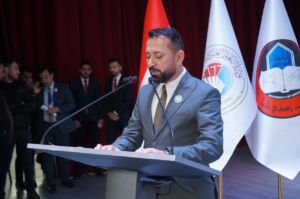
The conference activities commenced with an opening address delivered by Assistant Professor Dr. Ashti Abdul-Sattar Abdul-Ghani, followed by the Iraqi national anthem, the recitation of Al-Fatiha in honor of the martyrs of Iraq, and a recitation from the Holy Qur’an. This was followed by a speech by the President of the University of Mosul, a speech by the Dean of the College of Administration and Economics, and a documentary video introducing the University of Mosul. The opening ceremony also included a speech by the representative of the Central Bank of Iraq, a speech by the representative of the Iraqi Private Banks League, and visual presentations by both the Central Bank of Iraq and the College of Administration and Economics.
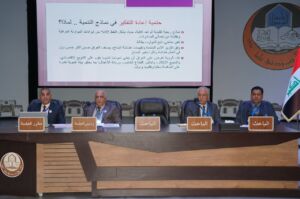
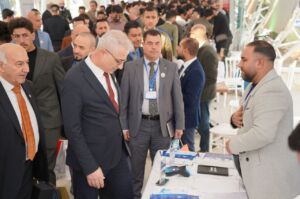
In the scientific context, the opening scientific session was chaired by Professor Dr. Ziyad Hashim Al-Saqqa, with Assistant Professor Dr. Aws Fakhr Al-Din Al-Juwijati serving as rapporteur. Three high-quality scientific papers were presented, followed by in-depth academic discussions. In parallel, a Financial Inclusion Exhibition was inaugurated within the corridors of the University of Mosul, while specialized scientific sessions continued in the halls of the College of Administration and Economics, with conference activities scheduled to continue on the second day.
Regarding the scientific output of the conference, the Scientific Committee received seventy-one (71) research papers, which underwent rigorous evaluation and review in accordance with established academic standards. As a result, forty-nine (49) research papers were accepted for presentation within the conference sessions. The number of scientific reviewers reached sixty-one (61) experts and researchers, while the total number of participating authors amounted to one hundred and thirty (130) researchers from sister and friendly countries, in addition to Iraqi universities, reflecting the growing scientific confidence in the conference and its academic standing.
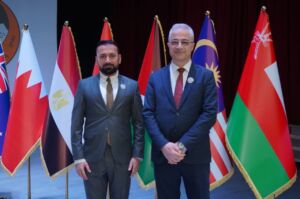
The conference featured wide research participation from several countries, including Malaysia, Indonesia, Bahrain, the Sultanate of Oman, Australia, Pakistan, the Kingdom of Saudi Arabia, Jordan, the Arab Republic of Egypt, and the Republic of Türkiye. The presented papers, discussed within specialized scientific sessions, addressed the latest developments and challenges in accounting and finance, as well as the role of artificial intelligence and cybersecurity in enhancing transparency and institutional efficiency, and in achieving sustainable development goals.
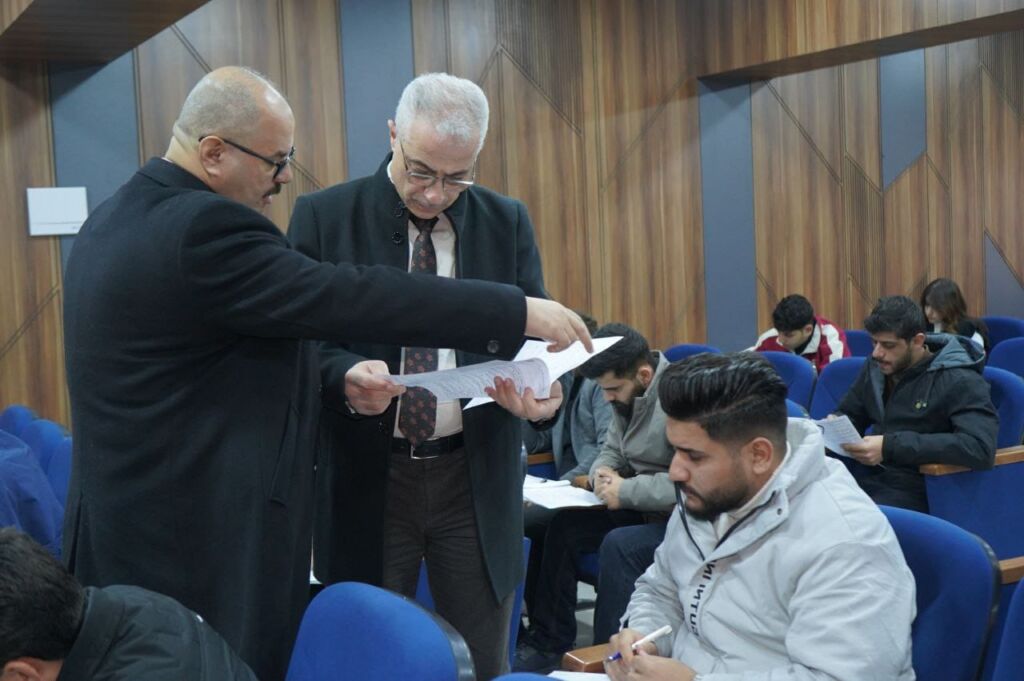 College of Administration and Economics at the University of Mosul Launches First-Semester Examinations amid Field Monitoring and Integrated Organizational Measures
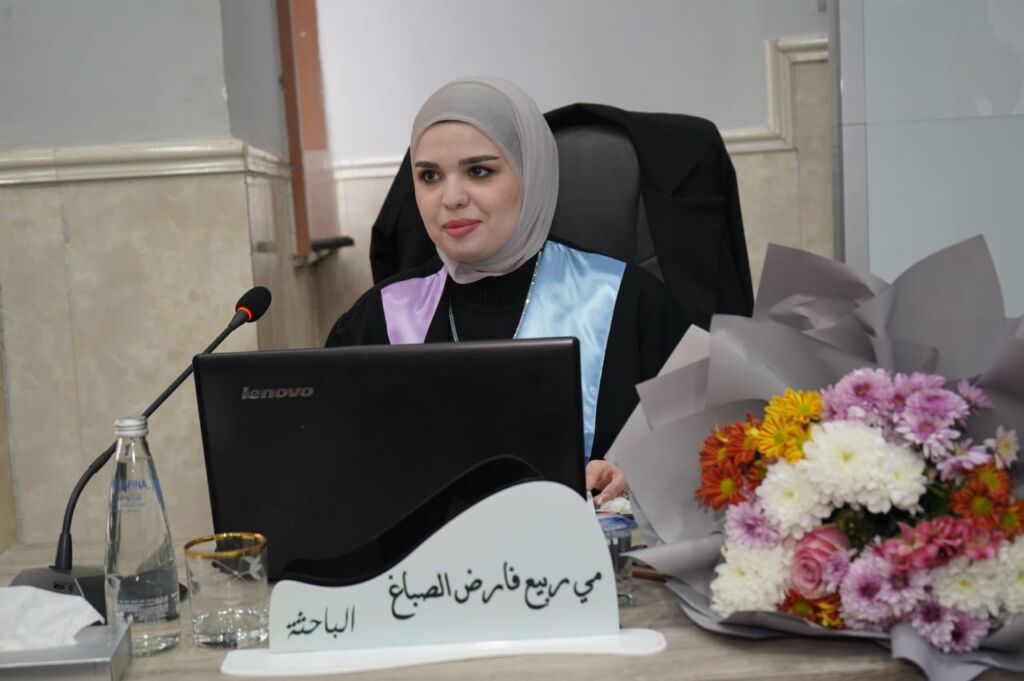 College of Administration and Economics – University of Mosul / Department of Accounting Discusses the Evaluation of the Internal Control System According to the COSO Framework