19 November، 2026
A Scientific Workshop Explores Ancient and Islamic Pottery-Making Techniques in Mesopotamia.
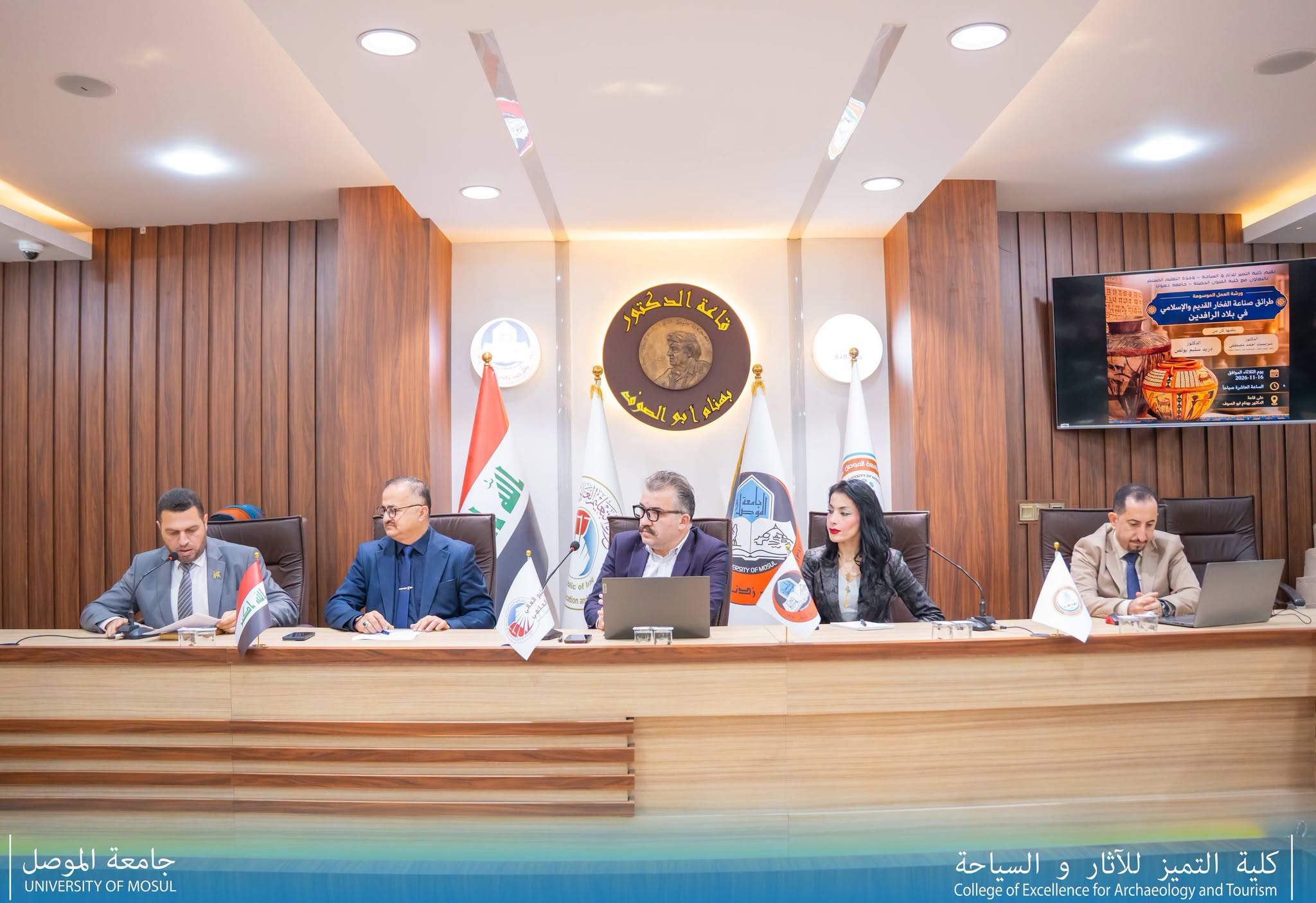
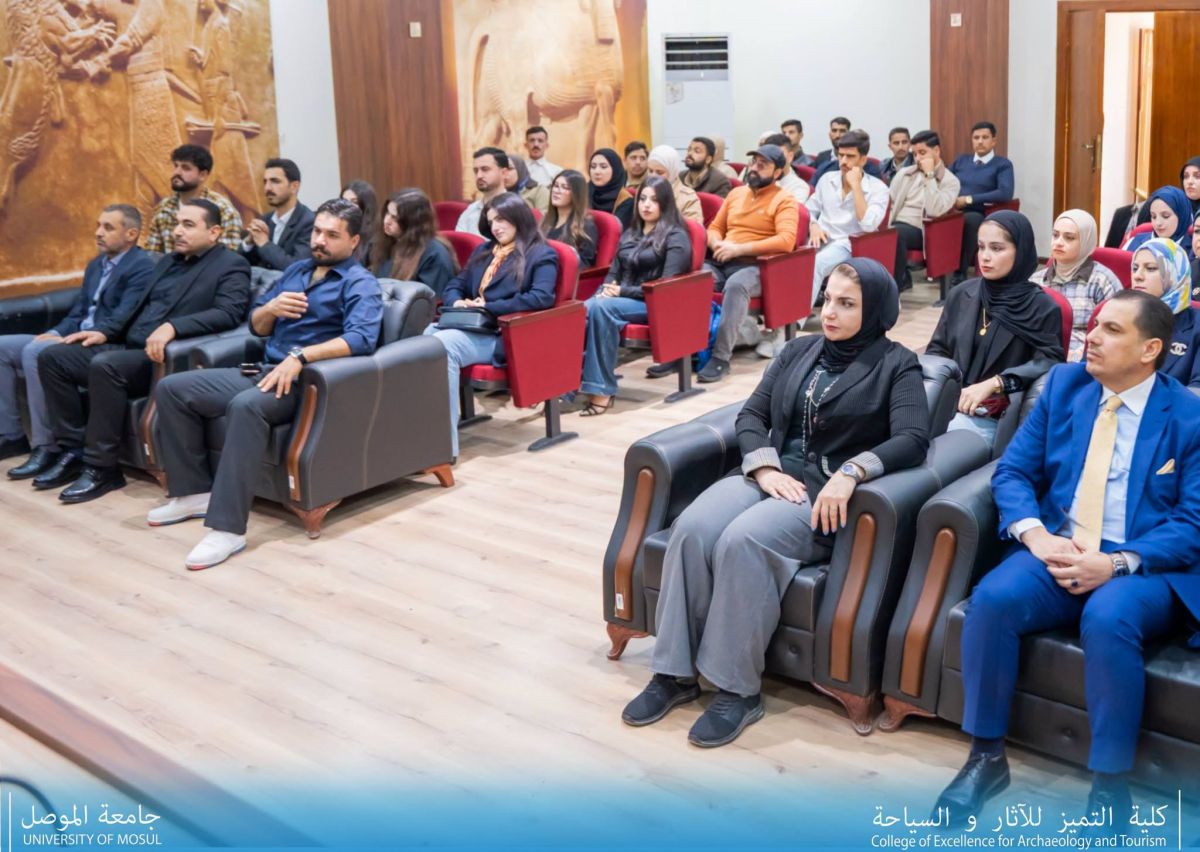
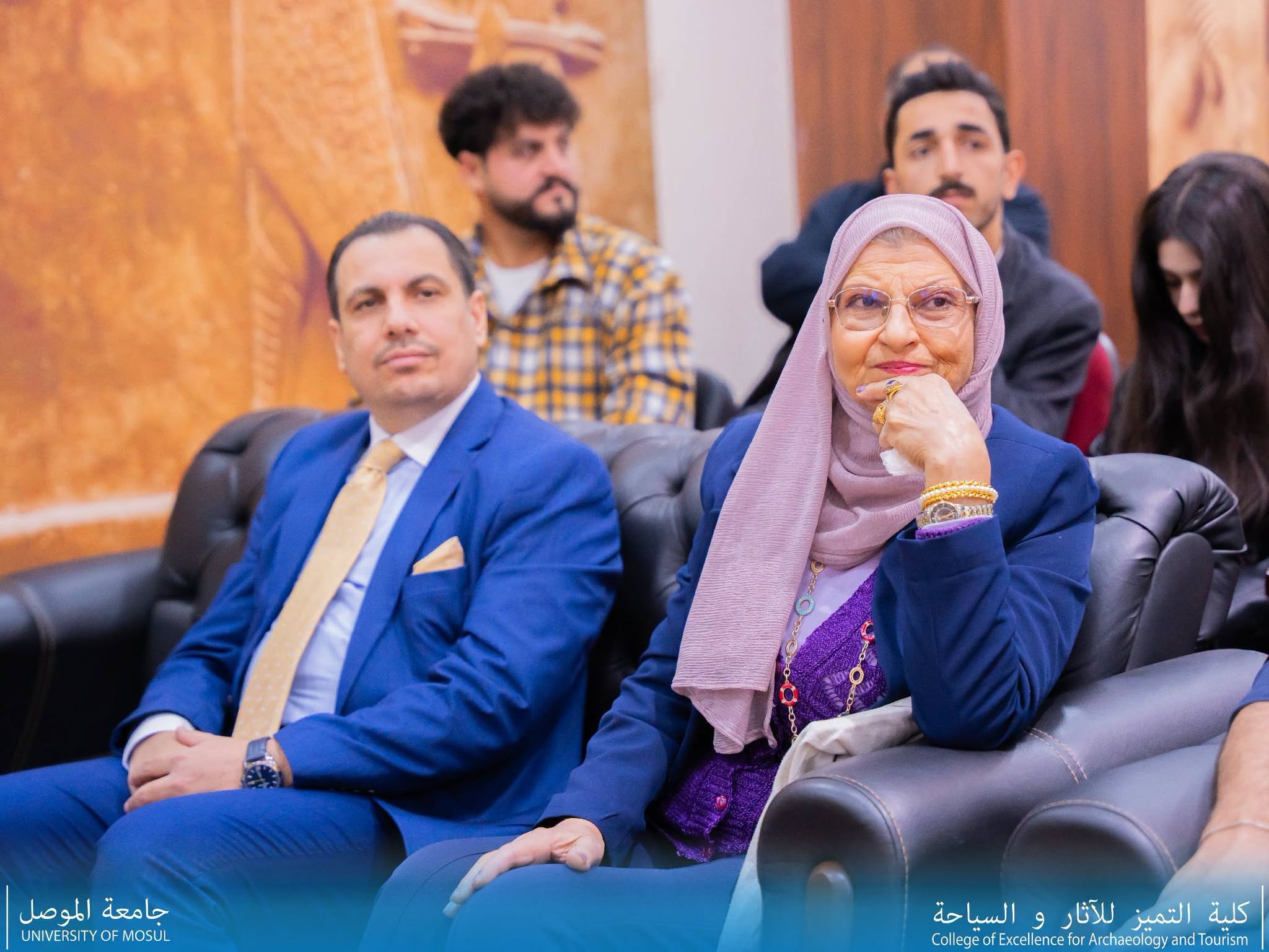
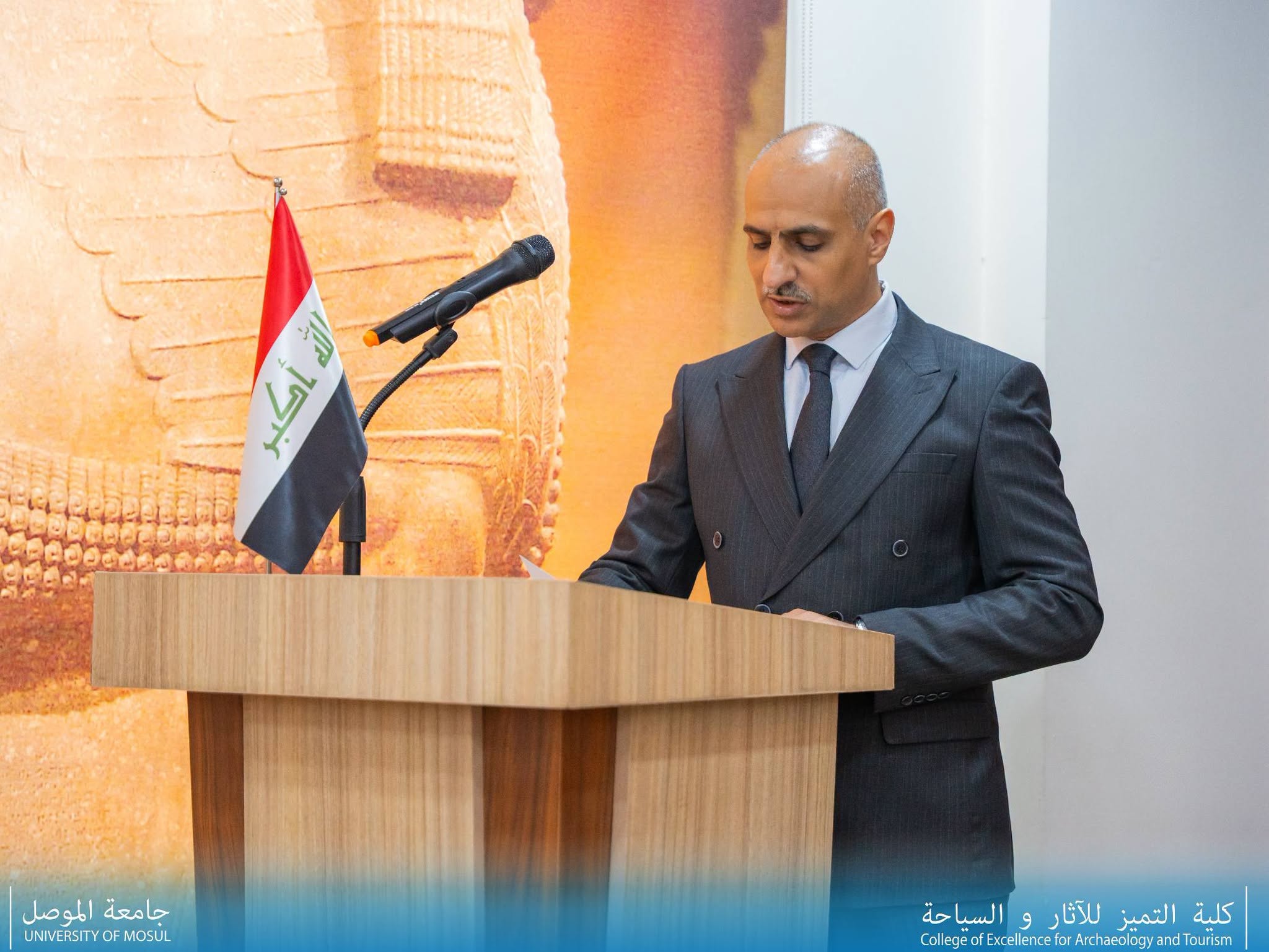
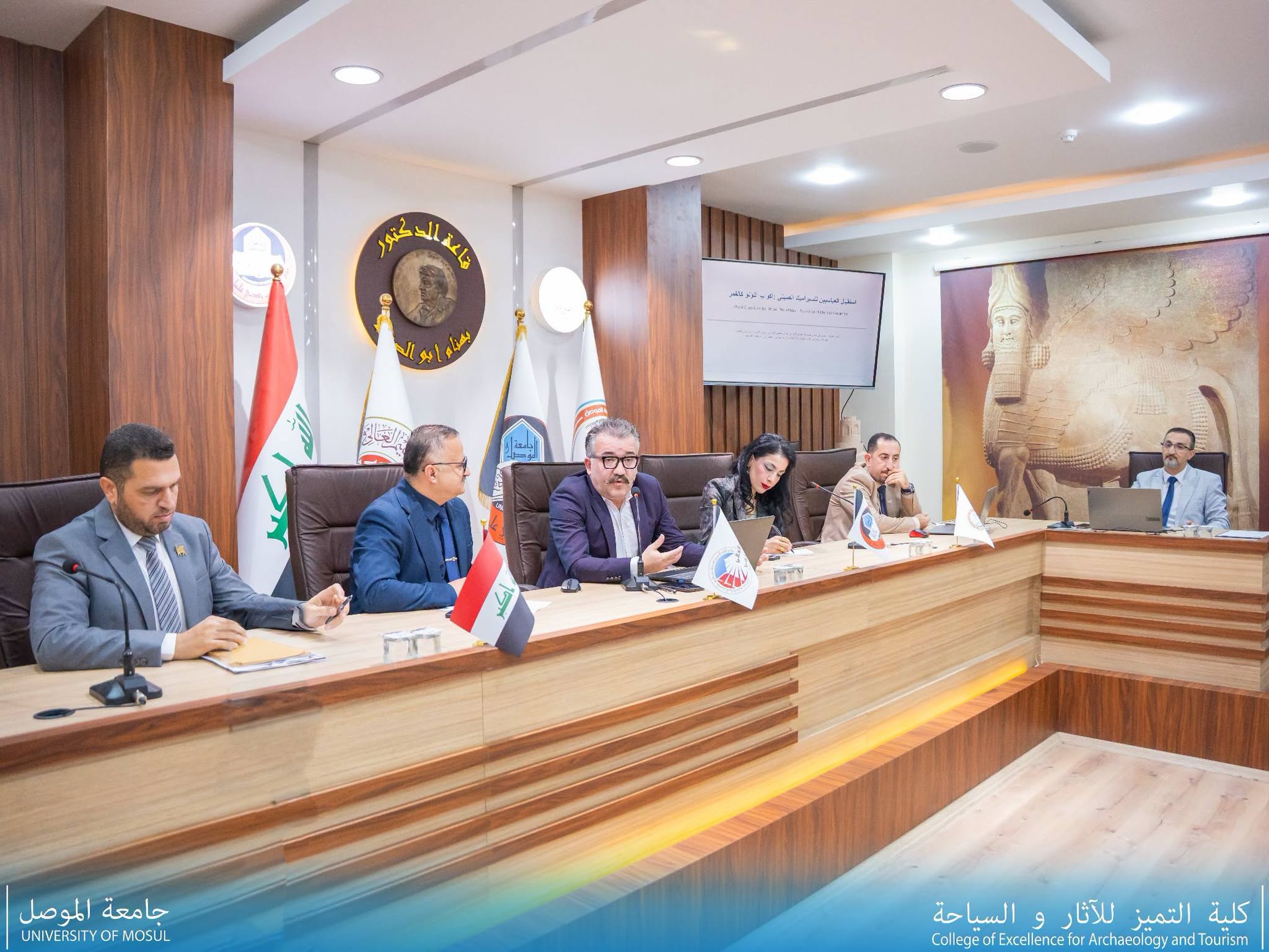
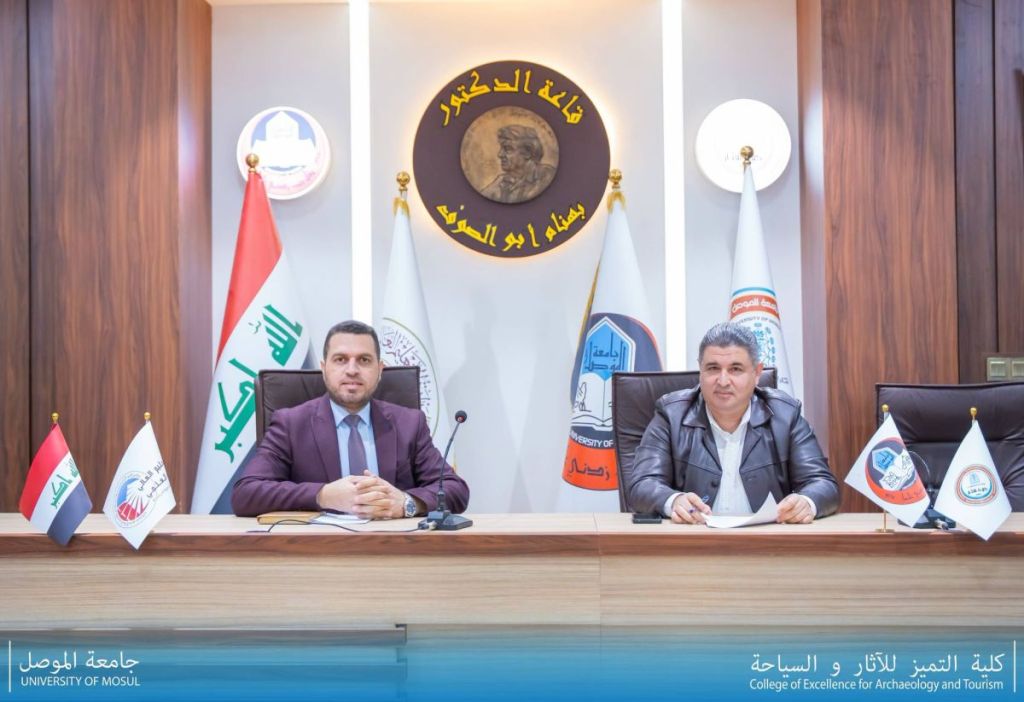
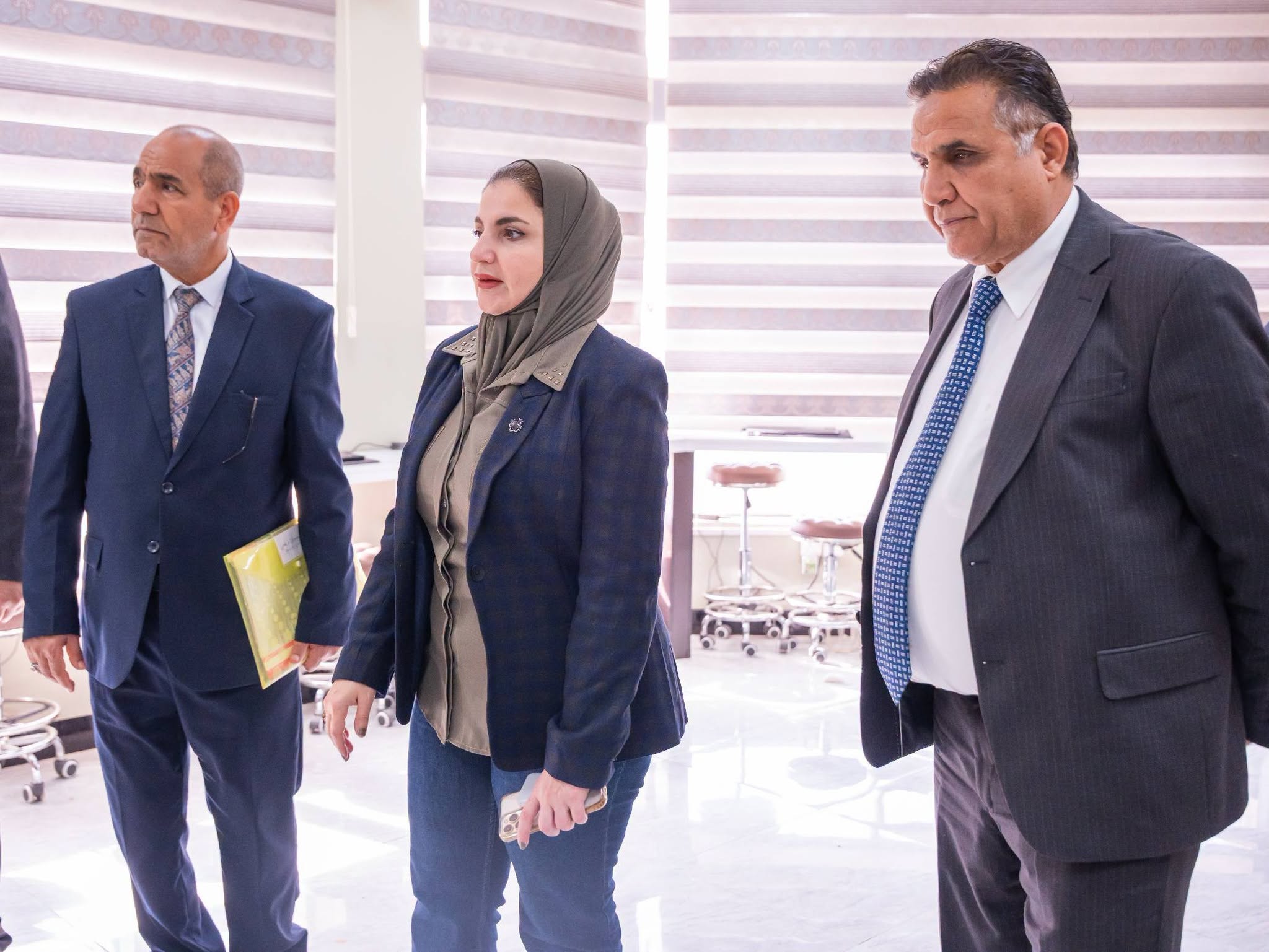
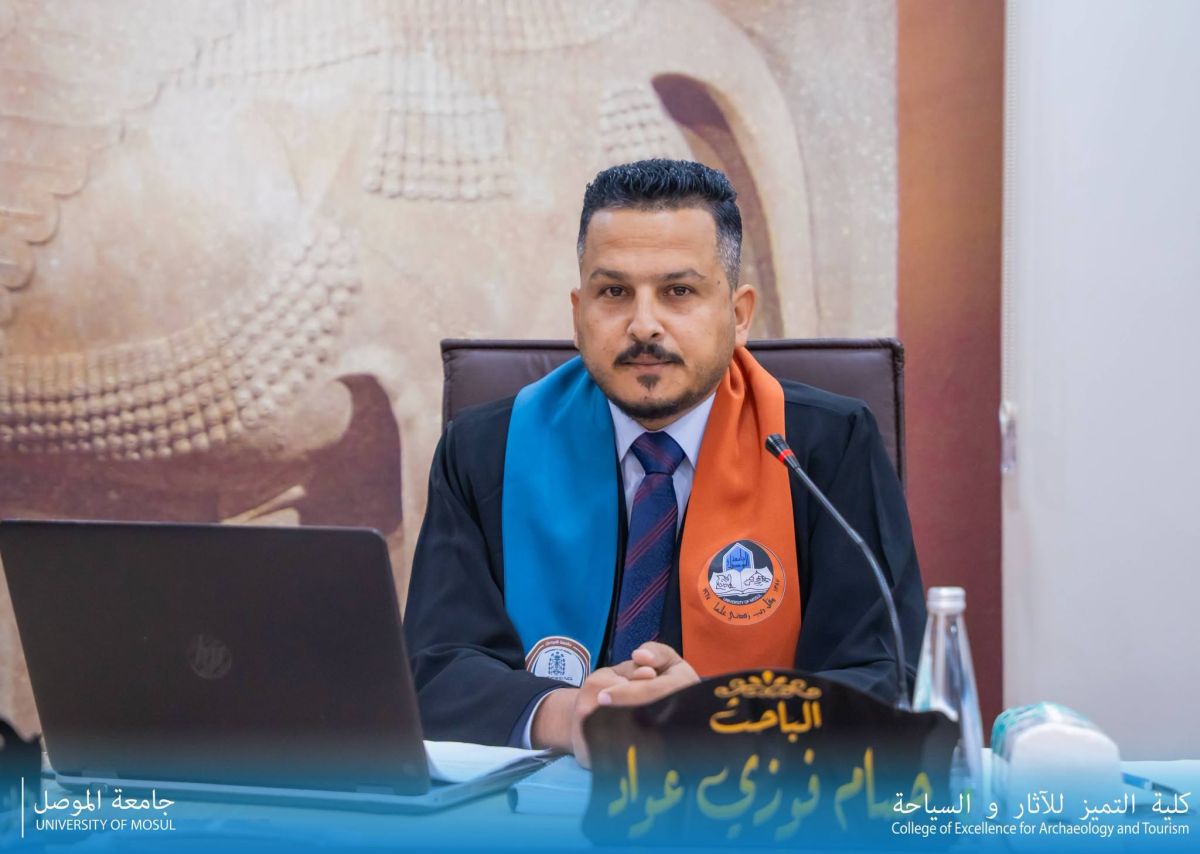
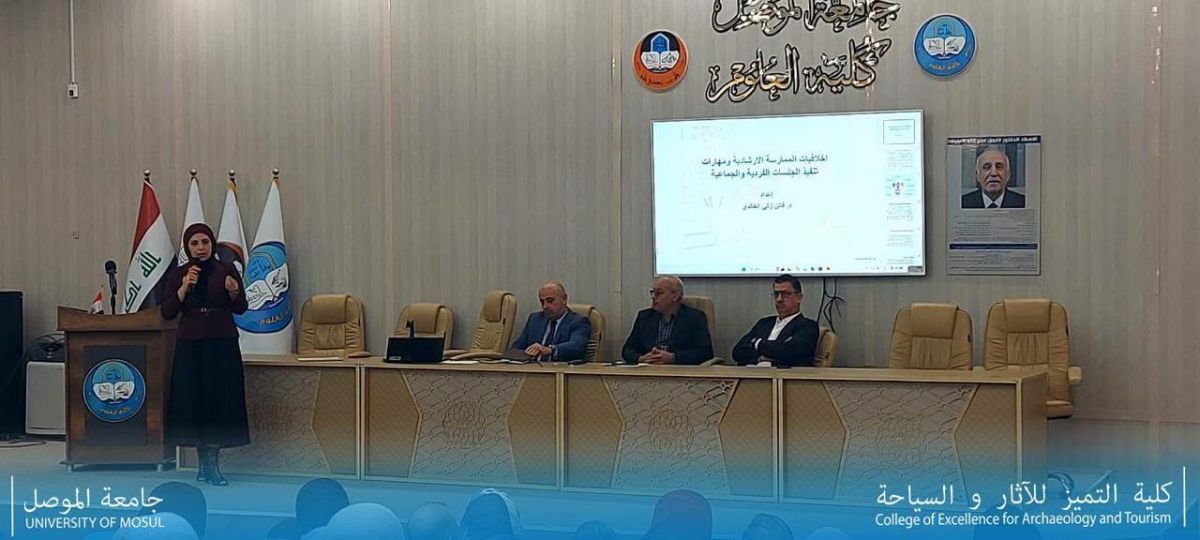
Under the patronage and supervision of Professor Dr. Yasmin Abdul Karim Muhammad Ali, Dean of the College of Excellence for Archaeology and Tourism, the College’s Continuing Education Unit—in collaboration with the College of Fine Arts at the University of Dohuk—organized a workshop titled “Methods of Ancient and Islamic Pottery-Making in Mesopotamia.” The event drew participation from faculty members, researchers, and students with an interest in archaeology, heritage, and the arts.
The workshop featured specialized academic lectures covering the evolution of pottery-making across Mesopotamian civilizations and the Islamic era. It examined the fundamental stages of this craft, which stands as one of the oldest and most significant artisanal traditions in human history. Discussions highlighted the techniques and artistic approaches employed by potters throughout the ages—from the selection of raw materials and clay preparation to shaping, decoration, and the final firing and production processes—all of which contributed to the distinct aesthetic and artistic qualities of the finished pottery.
The workshop also addressed the civilizational and cultural role that pottery played in the lives of ancient societies, noting its value as a vital source of archaeological and historical information that helps researchers understand the economic, social, and artistic landscape of those eras. Furthermore, the speakers explored the defining characteristics of Islamic pottery, tracing its evolution in terms of decoration and manufacturing techniques—a testament to the high level of artistic and civilizational advancement achieved by Islamic societies. The workshop aimed to raise awareness about the importance of traditional heritage crafts and their role in preserving cultural identity. It also sought to highlight the scientific and archaeological value of pottery—one of the most significant discoveries upon which researchers rely to study ancient civilizations. Furthermore, the workshop encouraged students and researchers to engage in applied studies concerning tangible heritage, while emphasizing the importance of safeguarding Iraq’s cultural legacy as an essential component of the nation’s historical and cultural memory.
This event is part of a series of scientific and cultural activities organized by the College of Excellence for Archaeology and Tourism. Such initiatives are designed to foster academic engagement and the exchange of expertise among universities, support scientific research, and cultivate an academic environment that contributes to the advancement of specialized knowledge in the fields of archaeology, heritage, and the arts.