17 June، 2025
.*Symposium of the Medical Microbiology department at the College of Medicine*

.*Symposium of the Medical Microbiology department at the College of Medicine*
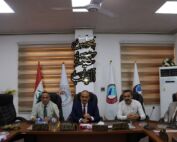
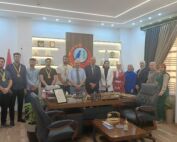
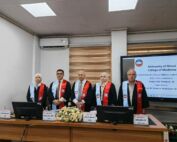
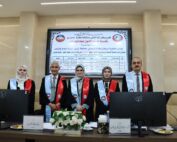
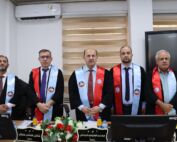
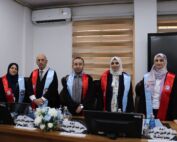
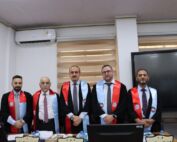
Under the patronage of the President of the University of Mosul, Professor Dr. Waheed Mahmoud Al-Ibrahimi, and supervised by the Dean of the College of Medicine, Assistant Professor Dr. Humam Ghanim Ibraahim, and attended by the Assistant Dean for Scientific Affairs, Lecturer Dr. Ahmad Abdullah Al-Harbi, and the Assistant Dean for Administrative and Financial Affairs, Lecturer Dr. Karam Turath Tawfiq.
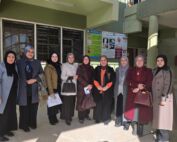
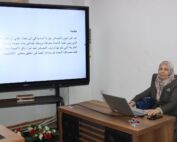
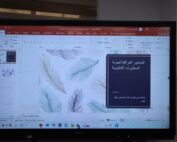
the Medical Microbiology department at the College of Medicine, in collaboration with the Continuing Education Unit, held its annual symposium titled “Selected Topics in Medical Microbiology and Immunology.” The symposium was held on Tuesday, June 17, 2025, at the Scientific and Literary Forum Hall.
*Target Audience*
The symposium targeted faculty members, staff of the College of Medicine and University of Mosul, postgraduate students, health department staff, and the community.
*Lectures*
The symposium included the following lectures:
*First Session*
1. “CART Cells: A Revolution in Cancer Immunotherapy” by Assistant Professor Dr. Ikram Khazal Al-Haso.
2. “The Role of Probiotics as an Adjunct in Treating Different Types of Infections” by Dr. Zeena Maki.
3. “Molecular Diagnosis of Tuberculosis Using GeneXpert Tests” by Assistant Professor Dr. Kawkab Idris.
*Second Session*
1. “Interpreting Serological Test Results in Light of Statistical Data” by Lecturer Dr. Omar Nazar.
2. “The Relationship Between Bacterial Infections and Cancer Development: Helicobacter Pylori and Stomach Cancer” by Dr. Suhair Imad.
3. “Antibiotic Resistance” by student Yousef Ahmed Ali, supervised by Dr. Ansam Muhammad.
*Objectives*
The symposium aimed to:
1. Explore new techniques in leukemia treatment.
2. Understand the importance of probiotics as adjunctive therapy.
3. Highlight the role of GeneXpert technology in diagnosing tuberculosis.
4. Discuss the growing problem of antibiotic resistance.
*Recommendations*
The symposium recommended:
1. Expanding the use of modern immunotherapy techniques for cancer treatment.
2. Using modified T-cell therapy to treat blood cancers.
3. Utilizing probiotics as adjunctive therapy with antibiotics and treating certain diseases, particularly gastrointestinal diseases.
4. Relying on GeneXpert technology for tuberculosis diagnosis.
5. Implementing strategies to reduce antibiotic overuse.