7 October، 2026
The College of Law Holds a Scientific Workshop on Scientific Citation and the Avoidance of Plagiarism in Dissertations and Theses
7 October، 2026
The College of Law Holds a Scientific Workshop on Scientific Citation and the Avoidance of Plagiarism in Dissertations and Theses
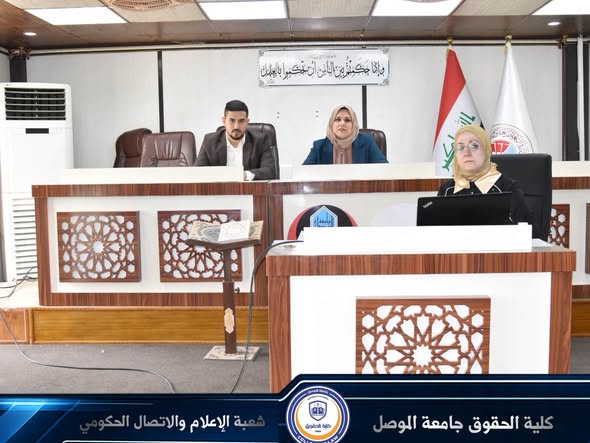
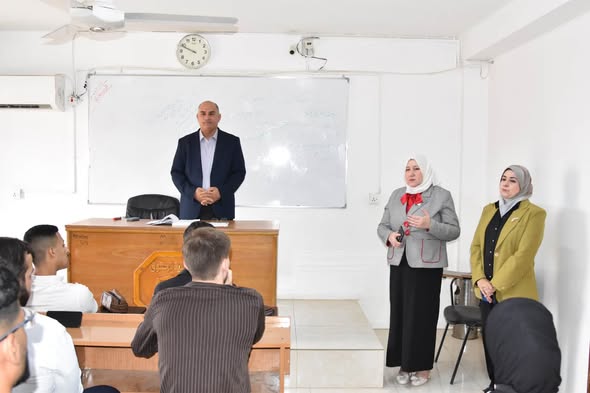
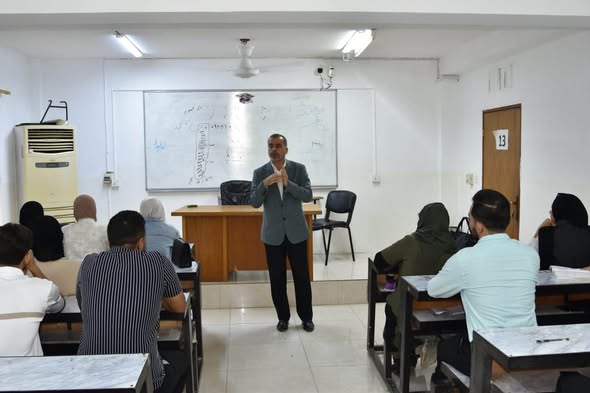
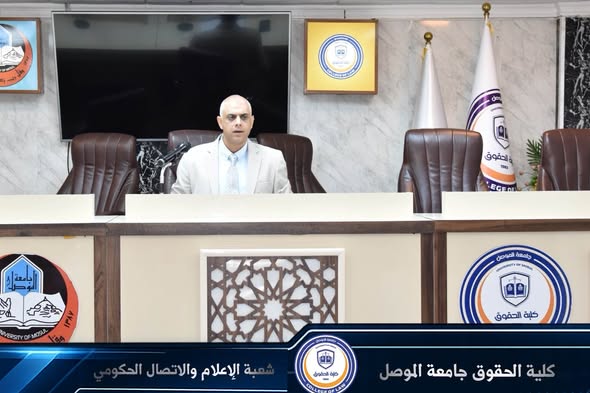
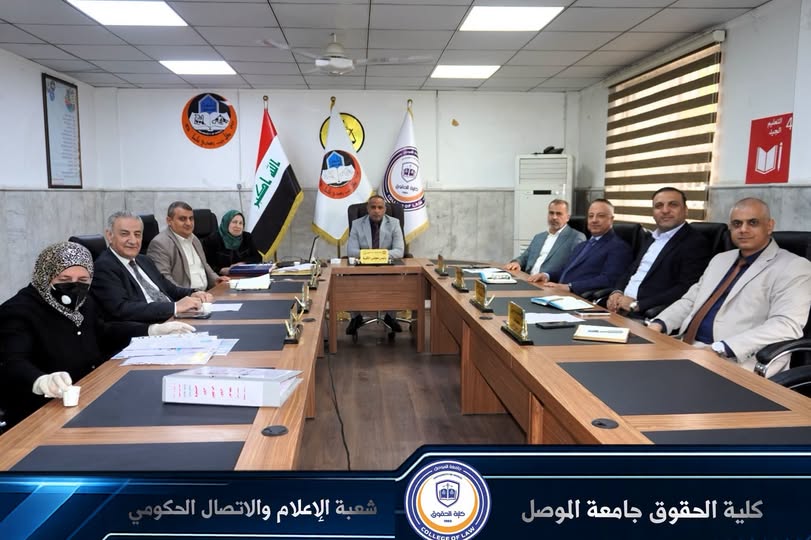
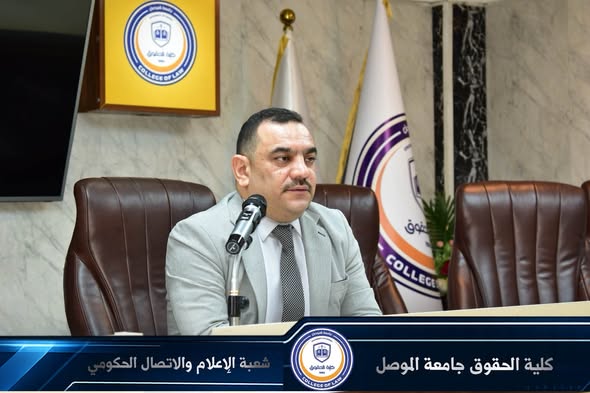
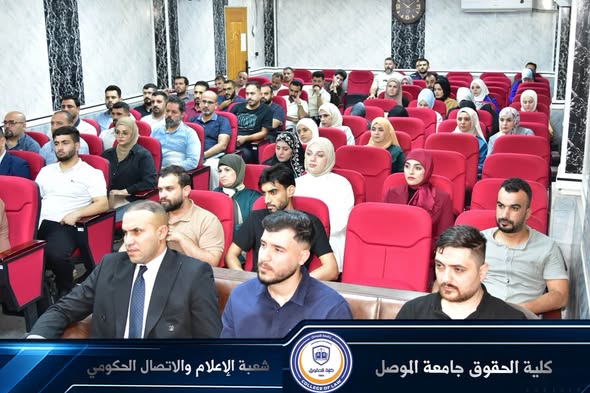
The College of Law held a scientific workshop entitled “Scientific Citation and the Avoidance of Plagiarism in Dissertations and Theses,” presented by Dr. Ziyad Abdul-Wahhab Abdullah, a faculty member in the Branch of Human Rights Law, with the participation of a number of researchers and postgraduate students.
The workshop addressed the concept of scientific citation and its importance in the writing of scientific dissertations and theses, while elucidating its principal types, namely direct citation and indirect citation, and its role in supporting scientific ideas and in discussing the opinions and findings reached by the researcher, in a manner that enhances the scientific and academic value of the research.
The workshop also touched upon the distinction between scientific citation and scientific plagiarism, as the lecturer explained that plagiarism constitutes a violation of scientific and academic principles and rules, and may entail legal liability, particularly when texts or ideas are transmitted and employed without reference to their sources, or when reliance is placed upon fictitious sources in the preparation of scientific dissertations and theses.
The lecturer likewise addressed the relationship between the paraphrasing of texts, citation, and scientific plagiarism, emphasizing the importance of meticulous documentation of sources and the necessity of indicating page numbers when citing, in a manner that ensures the integrity of scientific documentation and the possibility of returning to the original sources and verifying them.
The workshop further discussed the concept of textual similarity detection (istiklal) and its relationship to scientific plagiarism, and the role of electronic plagiarism-detection programs in identifying similar and cited texts, with emphasis on the fact that these programs constitute an auxiliary tool for verifying the integrity of research and do not dispense with the researcher’s commitment to the principles of scientific honesty and the rules of sound academic documentation.
This workshop comes within the framework of the College of Law’s keenness to promote awareness of the rules of rigorous scientific research and to entrench the principles of scientific honesty among researchers and postgraduate students.

All Rights Reserved for University of Mosul © 2026