13 February، 2026
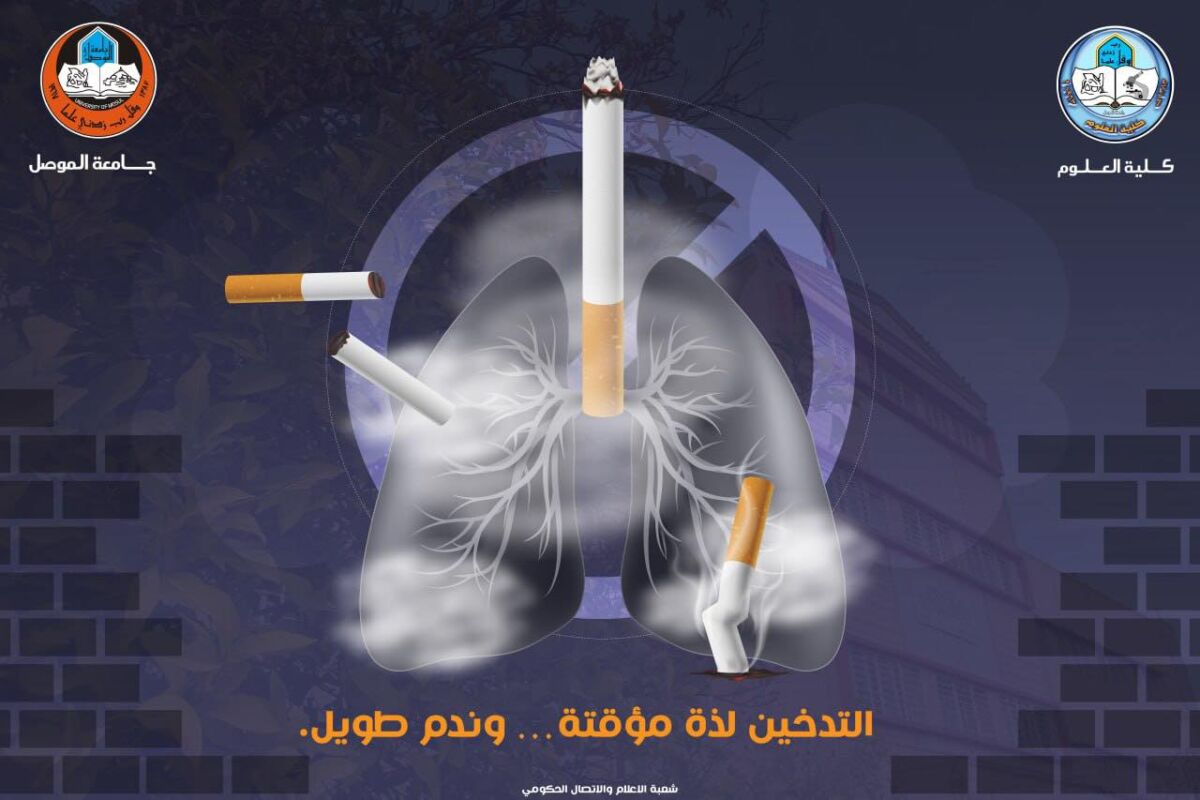
Smoking: A Temporary Pleasure… A Lasting Regret
13 February، 2026
Smoking: A Temporary Pleasure… A Lasting Regret
Many dangers do not arrive with warning signs or reveal themselves loudly at the beginning. Instead, they quietly make their way into our lives, disguised as temporary comfort or a fleeting sense of relief. Smoking is one such example. It is often perceived as a means of coping with stress, yet in reality, it is a gradual path toward the deterioration of health and well-being.
Smoking rarely reveals its harmful consequences immediately. During its early years, it may create a false sense of reassurance while silently causing damage that becomes apparent only when the cost has grown far too high. Between a momentary pleasure and a lifelong regret lies a critical choice worthy of reflection.
One of the most deceptive aspects of smoking is its gradual nature. Health complications often do not appear in the early stages, leading smokers to believe that they are unaffected. Nicotine stimulates the nervous system and triggers the release of dopamine, creating temporary feelings of relaxation, improved mood, and reduced stress.
However, behind this short-lived effect lies an important scientific reality:
The absence of symptoms in the early years does not indicate good health; rather, it often means that damage is developing silently.
With continued smoking, a wide range of health problems may gradually emerge, including:
Many smokers become accustomed to symptoms that may appear insignificant but can serve as early warning signs, including:
Individuals with a history of smoking, particularly long-term smokers, are encouraged to undergo regular medical evaluations, including:
Early detection can significantly improve treatment outcomes and quality of life.
Quitting smoking is not a sign of weakness—it is a decision that reflects awareness, determination, and strength. Effective strategies include:
Smoking may begin as a fleeting pleasure, but it often ends in lasting regret over health that cannot be restored. What seems like a simple habit today can become a chronic illness or a silent burden tomorrow.
As part of its commitment to public health and community awareness, the College of Science calls upon all members of society, regardless of age or background, to reflect seriously on the dangers of smoking and its cumulative effects. The College encourages the adoption of a healthy lifestyle based on awareness and prevention and urges smokers to take a serious step toward quitting for the sake of their own health, their families, and a healthier society.
Health is not a responsibility to be postponed—it is a shared responsibility that begins with awareness and is fulfilled through action.
Media and Government Communication Division
Friday, February 13, 2026


All Rights Reserved for University of Mosul © 2026