13 September، 2026
A master’s thesis presented by Saraa Rafea Mohammed Nouri “Isolation, Molecular Identification, and Antigen Preparation of Salmonella spp. from Cats in Mosul City”
Master’s Thesis Defense
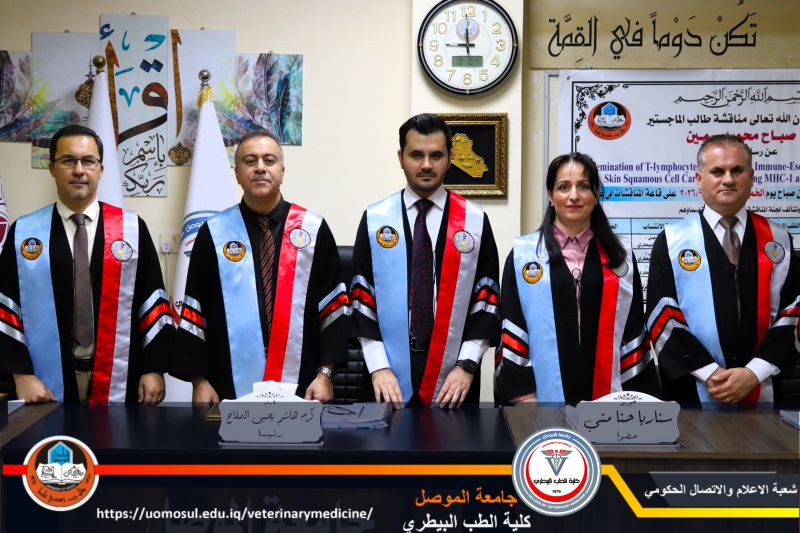
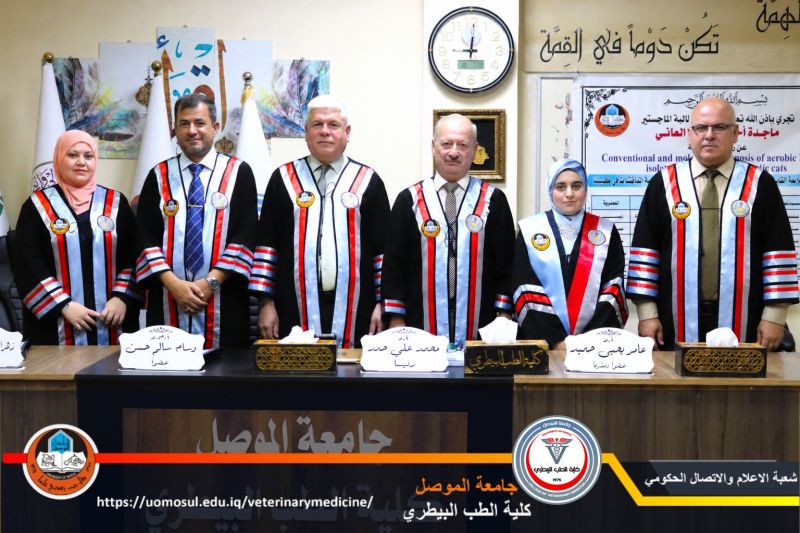
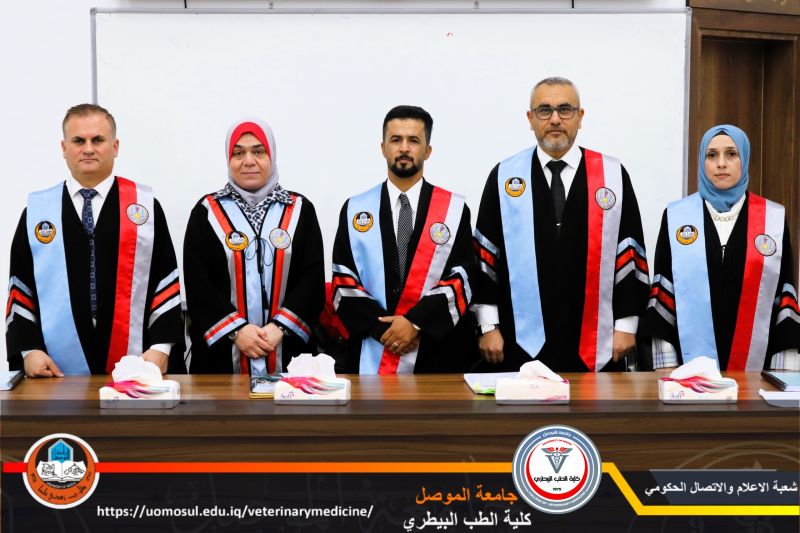
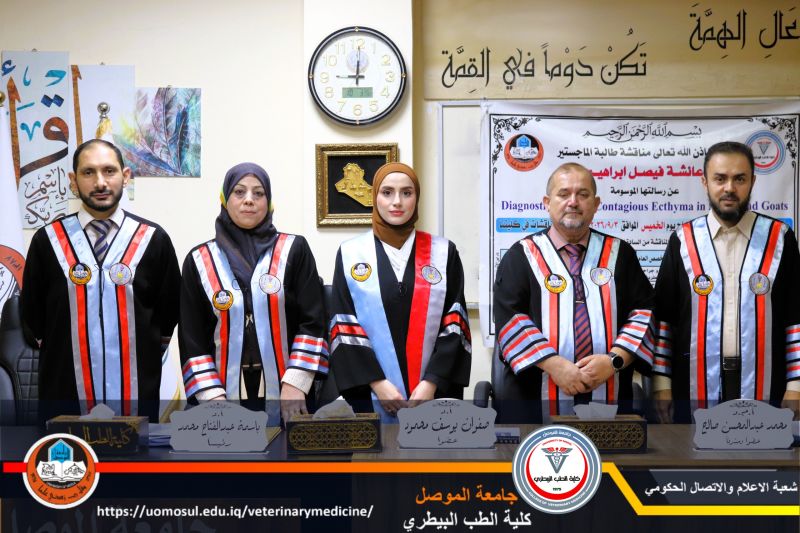
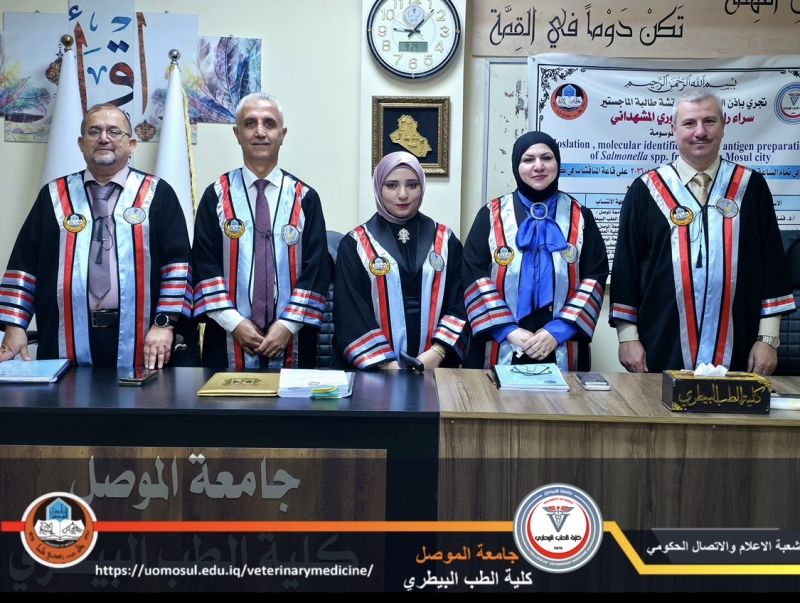
A Master’s thesis defense was held at the College of Veterinary Medicine, Department of Microbiology, entitled “Isolation, Molecular Identification, and Antigen Preparation of Salmonella spp. from Cats in Mosul City”, presented by Saraa Rafea Mohammed Nouri, under the supervision of Prof. Dr. Ammar Mahmoud Ahmed, on Sunday, August 30, 2026.
The defense committee consisted of the following distinguished faculty members:
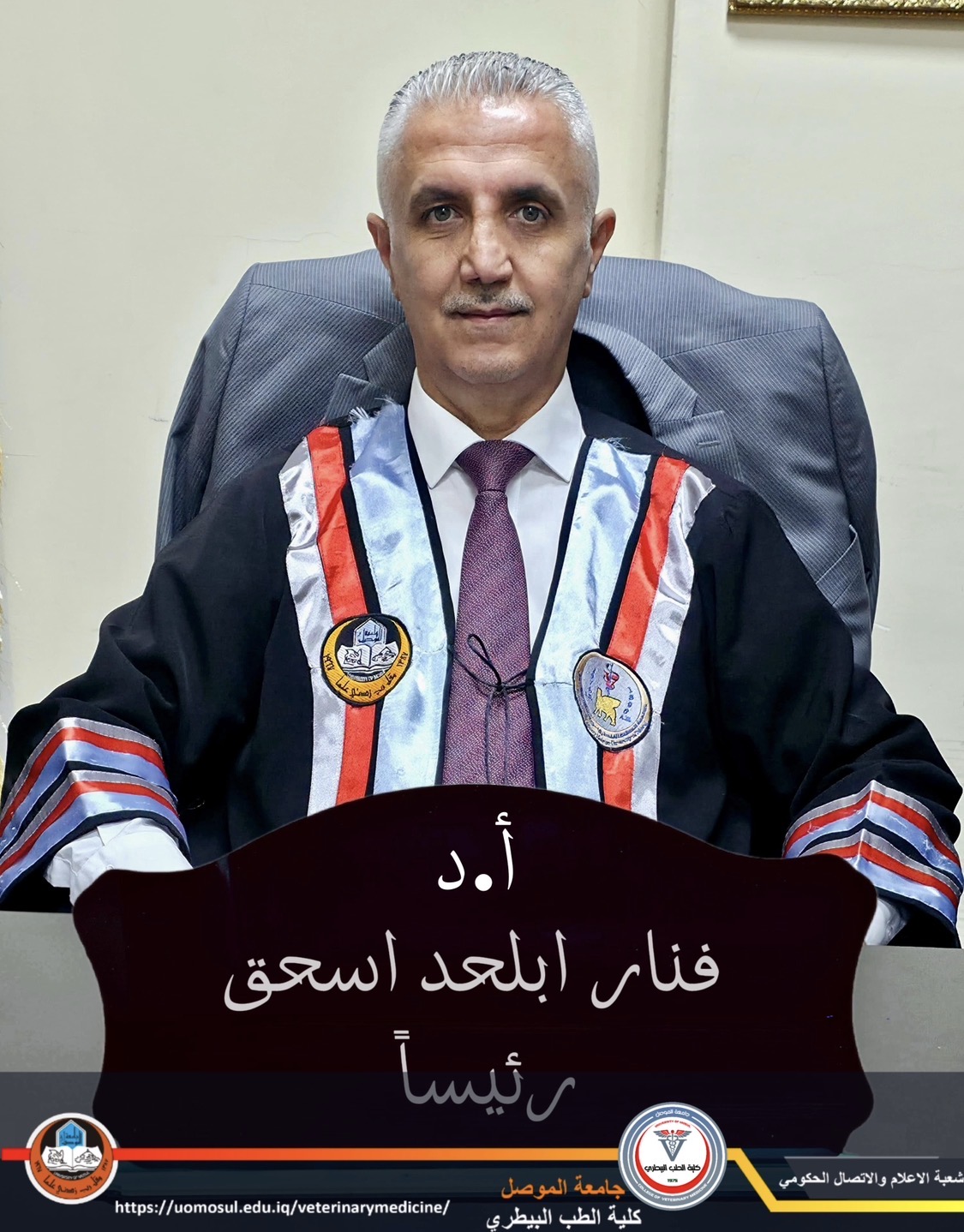
Prof. Dr. Finar Abelhad Ishaq – College of Veterinary Medicine, University of Mosul – Chairperson
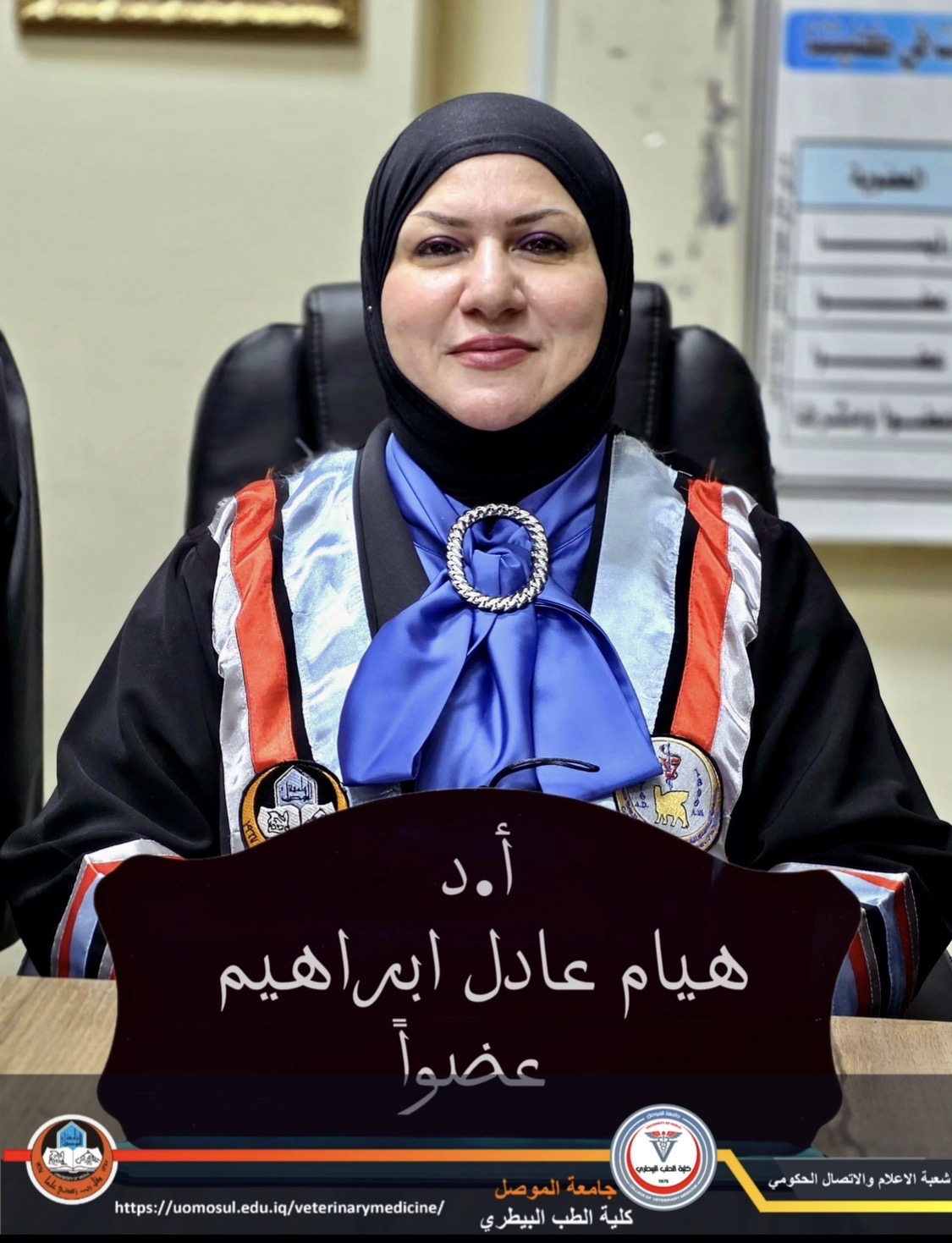
Prof. Dr. Hiyam Adel Ibrahim – College of Science, University of Mosul – Member
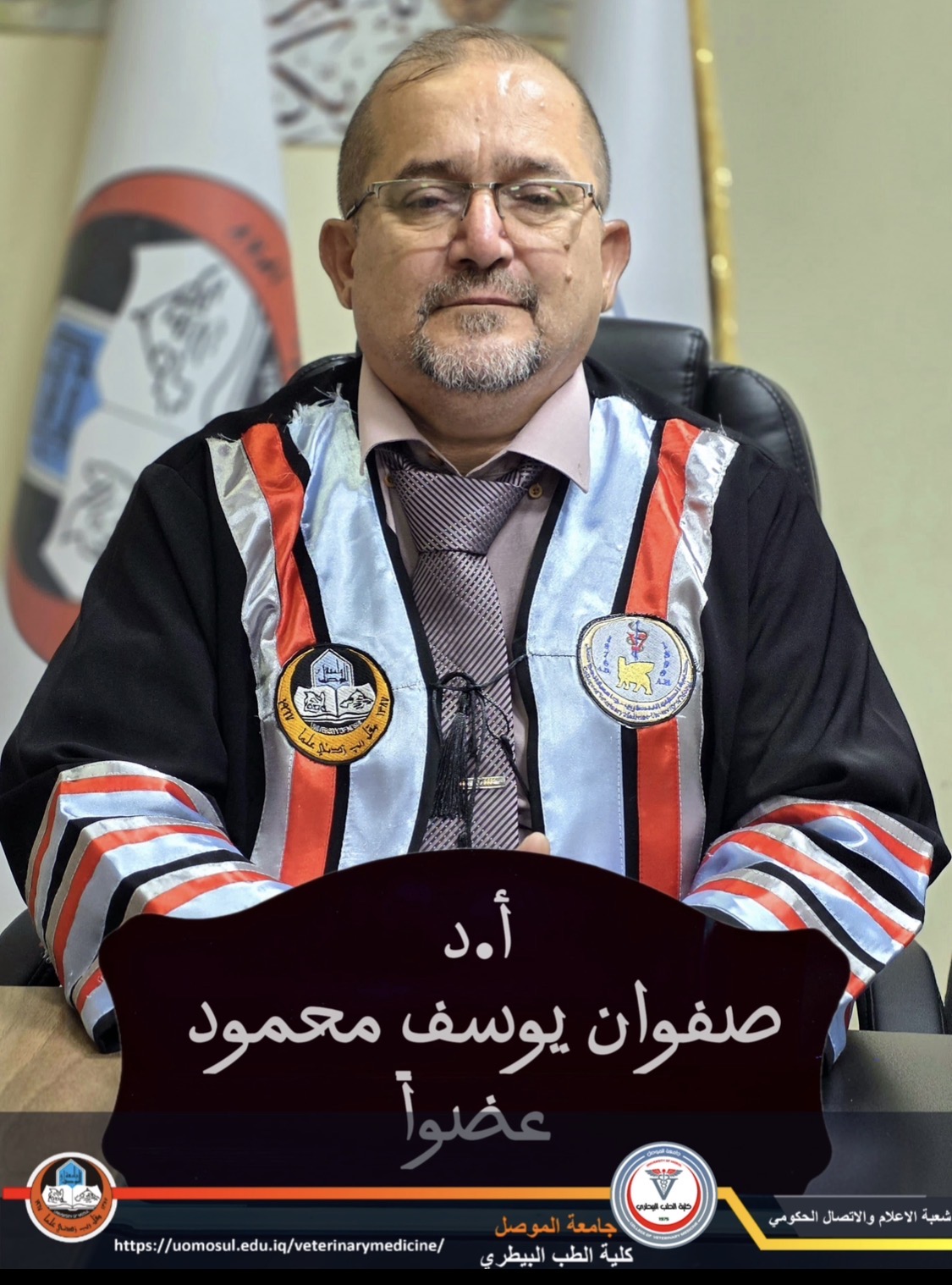
Prof. Dr. Safwan Yousif Mahmoud – College of Veterinary Medicine, University of Mosul – Member
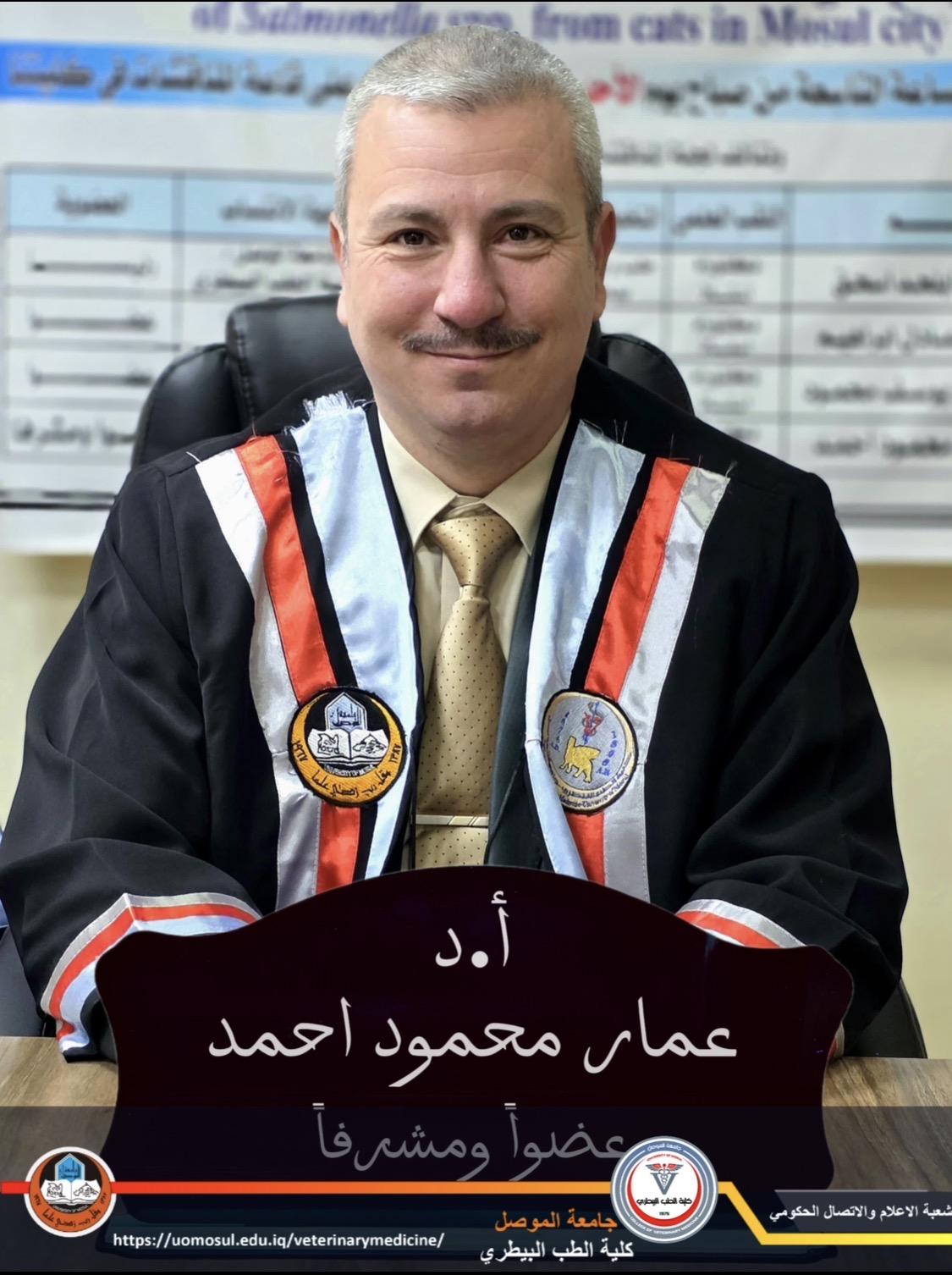
Prof. Dr. Ammar Mahmoud Ahmed – College of Veterinary Medicine, University of Mosul – Member and Supervisor
The study aimed to isolate and identify Salmonella spp. from cats in Mosul City and investigate their phenotypic, biochemical, and molecular characteristics.
A total of 100 rectal swab samples were collected from cats. Salmonella was isolated and identified using culture media, biochemical tests, and the VITEK 2 system. The isolation rate of Salmonella was 9%, with no statistically significant differences associated with age, sex, or breed.
Antimicrobial susceptibility testing revealed high resistance to ampicillin, cefotaxime, metronidazole, and oxytetracycline, whereas all isolates were susceptible to gentamicin.
Molecular identification confirmed the presence of the invA and sdiA genes. Several antimicrobial resistance genes were also detected. DNA sequencing and phylogenetic analysis were subsequently performed on the isolates.
The study also included the preparation of flagellar and somatic antigens. The findings highlight the potential role of cats as a source of Salmonella and antimicrobial-resistant strains, emphasizing the importance of these findings from a One Health perspective.
Congratulations to the researcher and her supervisor, as well as to the College of Veterinary Medicine and the Department of Microbiology, on this valuable scientific achievement. We wish the distinguished defense committee every success. This thesis defense contributes to the achievement of the fourth Sustainable Development Goal (SDG 4): Quality Education.
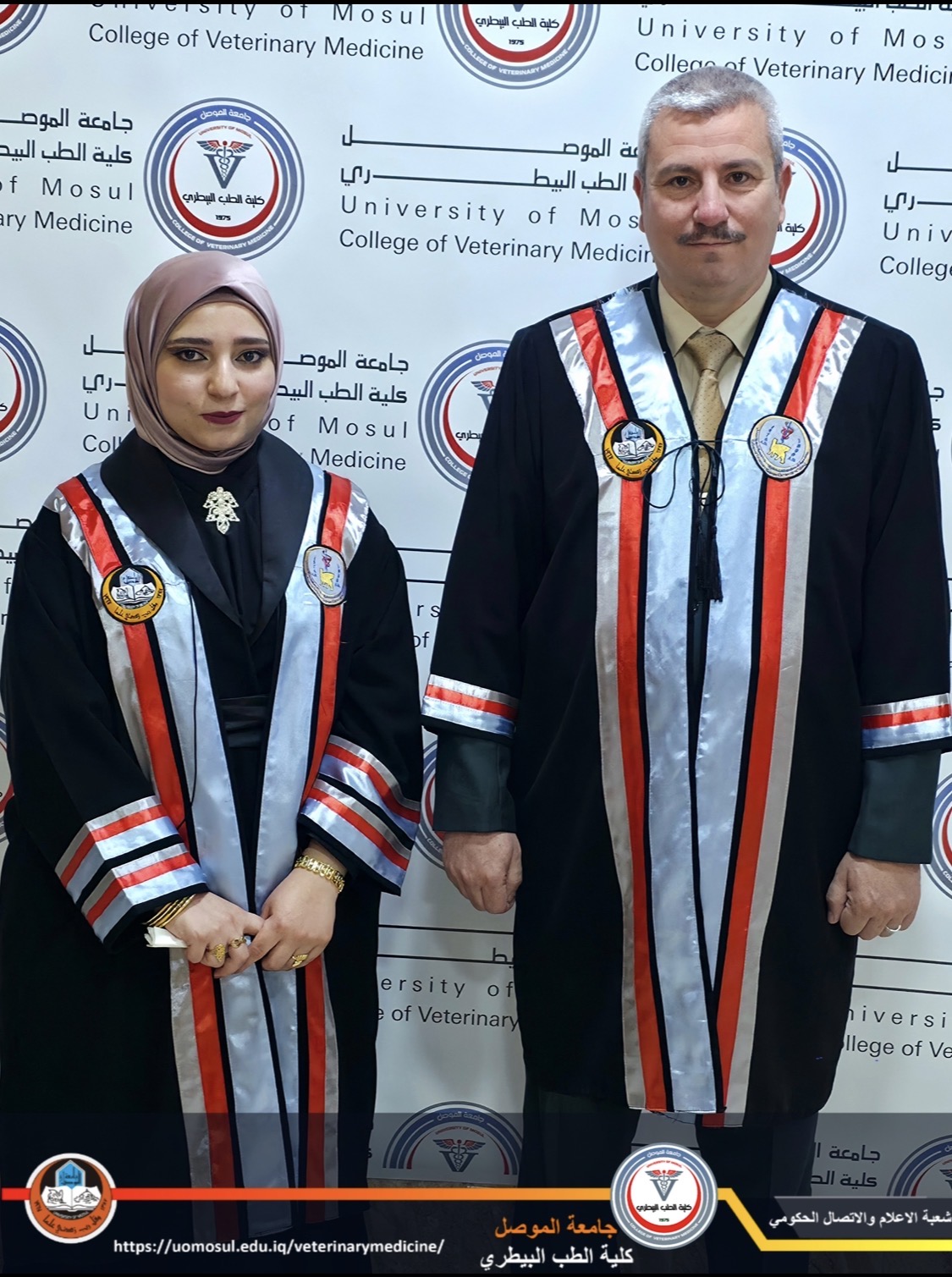

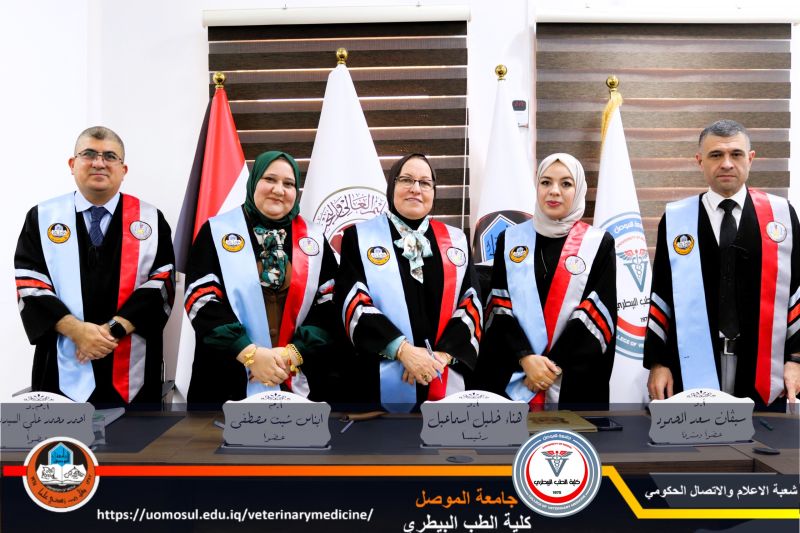 A master’s thesis presented by A master’s thesis presented by Sura Mahmoud Fathi “Pathological, Immunohistochemical, and Molecular Characterization of Canine Transmissible Venereal Tumor”
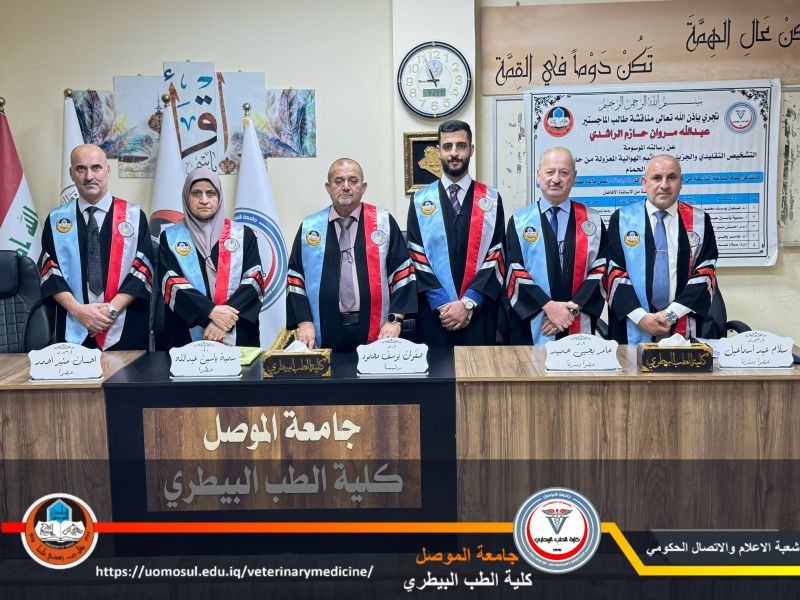 A master’s thesis presented by Abdullah Marwan Hazim “Conventional and Molecular Diagnosis of Aerobic Bacteria Isolated from Cases of Enteritis in Pigeons.”