8 February، 2026
The College of Administration and Economics Leads the Integration of Scientific Research with the Labor Market During the “Entrepreneurship and Innovation Week” at the University of Mosul
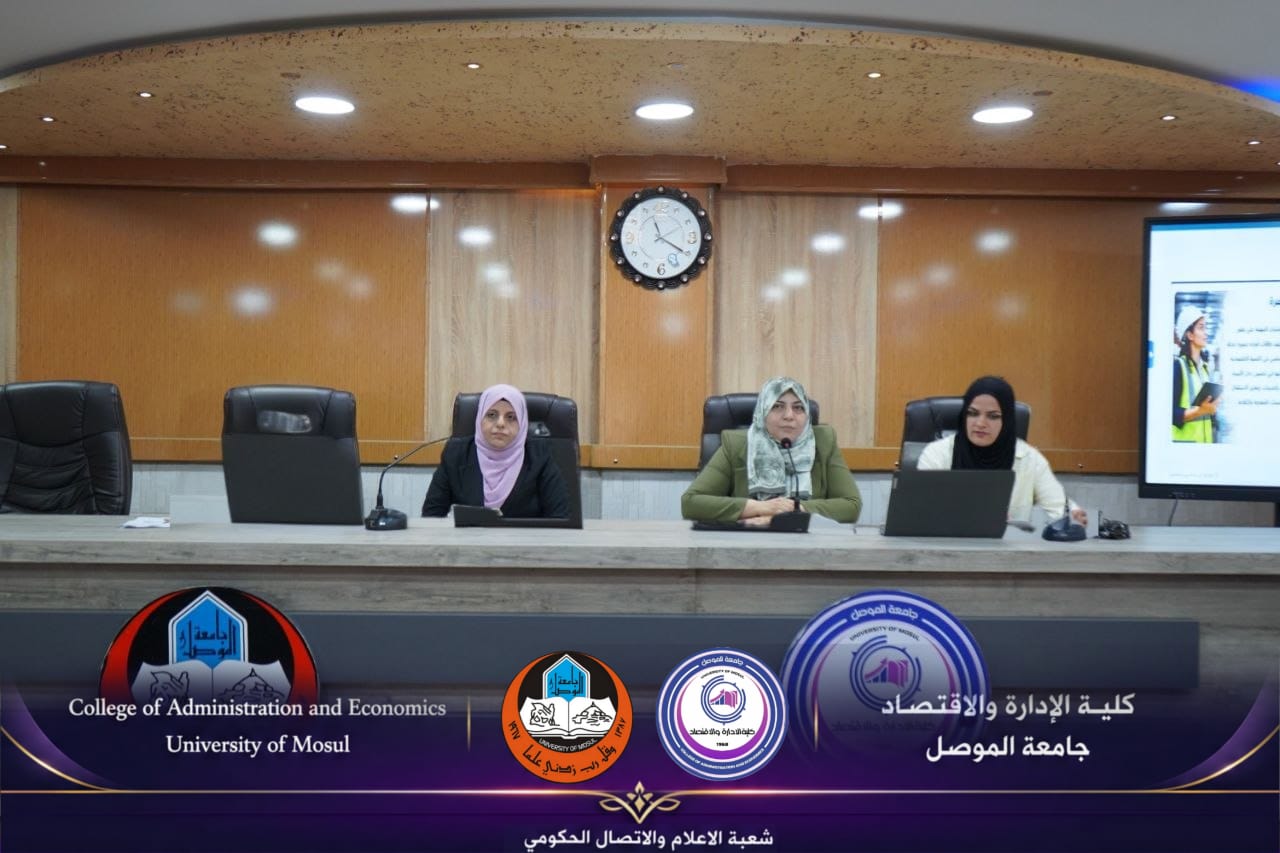
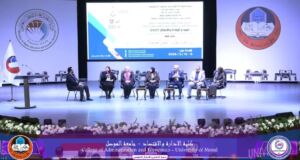
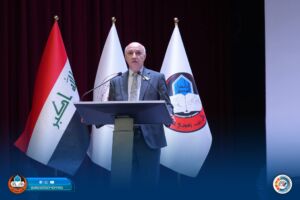
The University of Mosul launched today, Sunday, February 8, 2026, the activities of the “Entrepreneurship and Innovation Week” at Dr. Mahmoud Al-Jalili Hall. The five-day event is held under the patronage and attendance of the University President, Prof. Dr. Waheed Mahmoud Al-Ibrahimi, with the participation of a distinguished group of academics, decision-makers, and representatives of relevant sectors.
The first day witnessed the launch of the National Artificial Intelligence Hackathon, reflecting the university’s commitment to keeping pace with digital transformation and promoting technological innovation. Specialized panel discussions were also organized, focusing on investing in scientific research outputs and aligning them with labor market requirements.
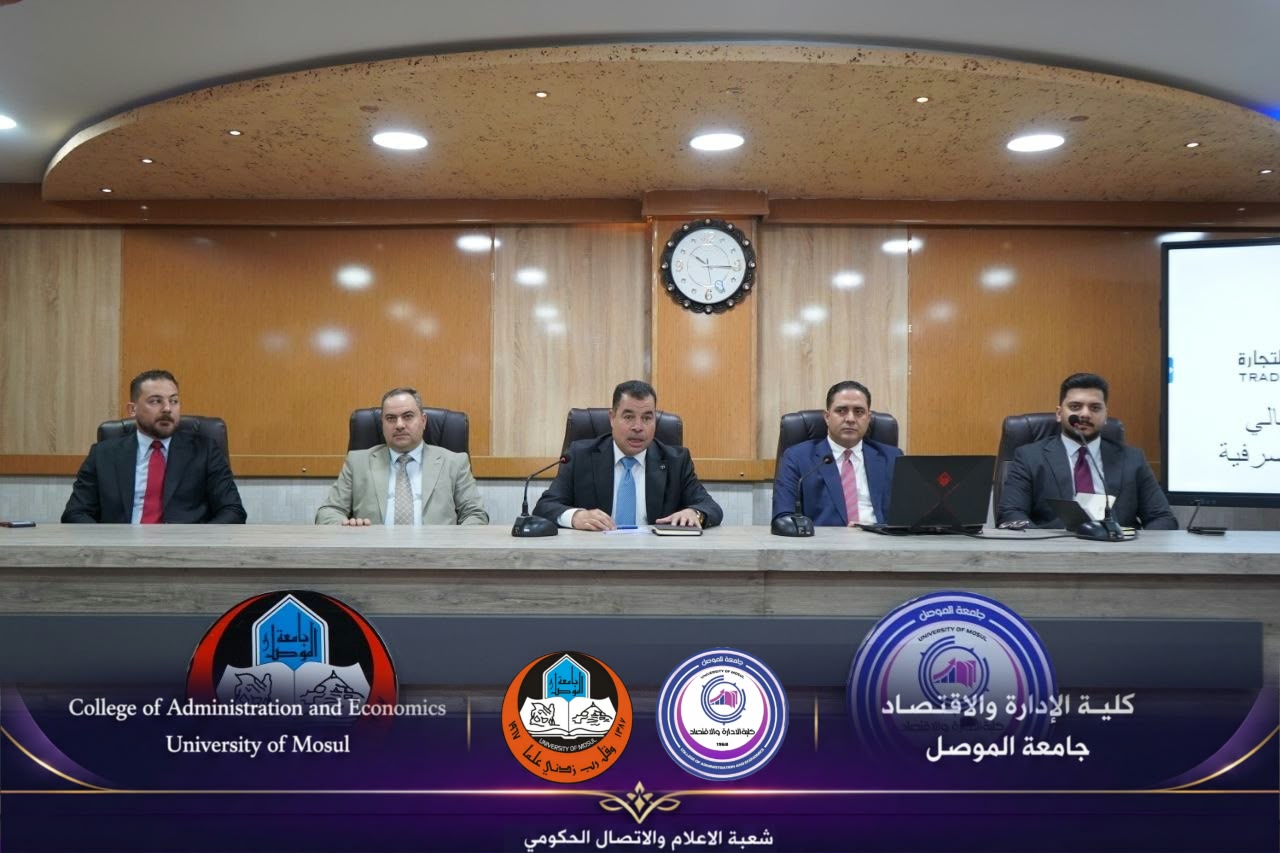
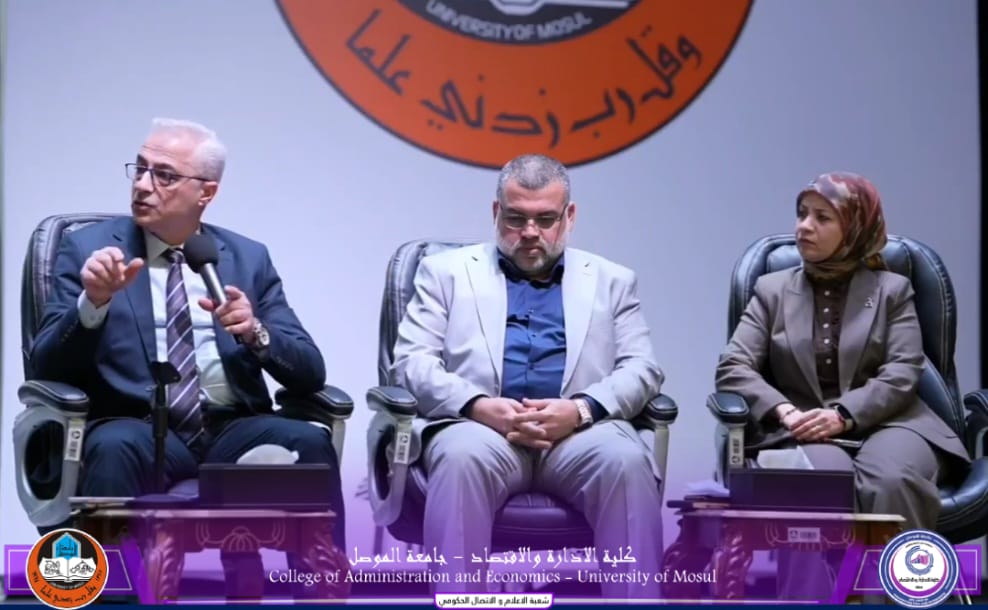
In this context, the College of Administration and Economics played a central and active role through the participation of the Dean of the College, Prof. Dr. Sinan Zuhair Mohammed Jameel, and members of the College Council in the panel session entitled:
“Investing in University Research Outputs and Their Alignment with the Labor Market.”
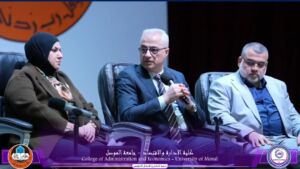
During the session, the Dean presented an applied scientific vision emphasizing that the real challenge facing universities lies not only in producing scientific research, but in transforming it from theoretical papers into realistic and sustainable economic projects.
The Dean highlighted the importance of economic feasibility studies and economic analysis in evaluating the marketability of scientific research, analyzing cost–benefit dimensions, and identifying suitable business models, all of which help reduce risks and enhance the success of research projects when transferred to the market.
He further stressed that linking scientific research to economic feasibility does not undermine its academic value; rather, it ensures sustainability and development by creating self-funding resources. He called for activating the role of university incubators and technology transfer offices and strengthening interdisciplinary integration, particularly between science colleges and the College of Administration and Economics.
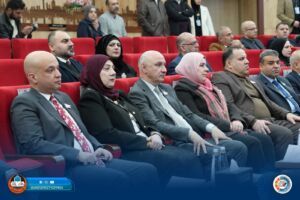
The session included scholarly interventions and discussions emphasizing the necessity of aligning research outputs with the evolving needs of the labor market to enhance employment opportunities and support sustainable development goals.
The week’s program also featured various cultural and introductory activities embodying the concepts of entrepreneurship and innovation and reflecting the civilizational identity of the city of Mosul, as part of the university’s efforts to transform ideas into real opportunities and build effective partnerships with the public and private sectors.
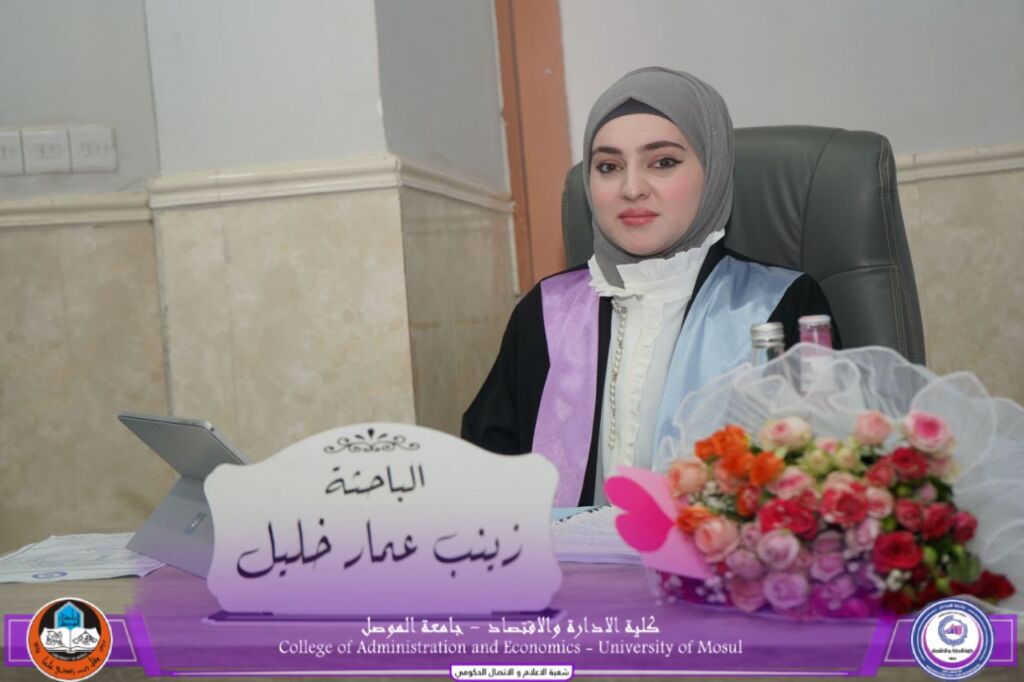 The Department of Accounting – College of Administration and Economics at the University of Mosul discusses a Higher Diploma thesis on time-driven budgeting in planning healthcare service costs
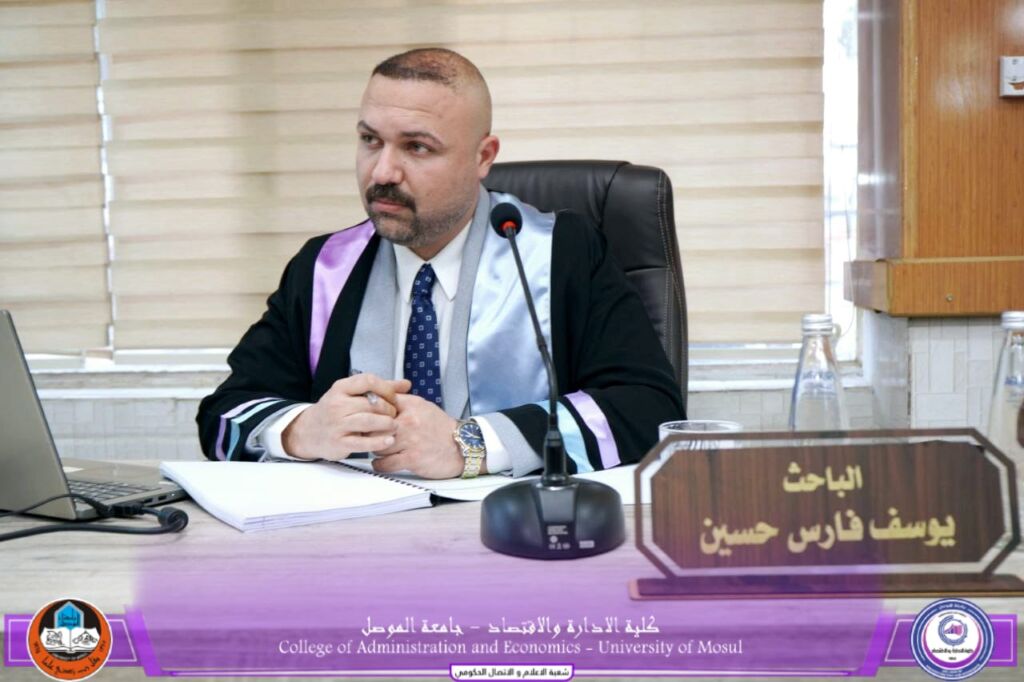 The Department of Business Administration – College of Administration and Economics at the University of Mosul Discusses a Higher Diploma Thesis on Ambidextrous Leadership and Knowledge Hiding Behaviors