9 March، 2026
The Council of the College of Administration and Economics at the University of Mosul Holds Its Sixteenth Session and Emphasizes Curriculum Development and Digital Transformation
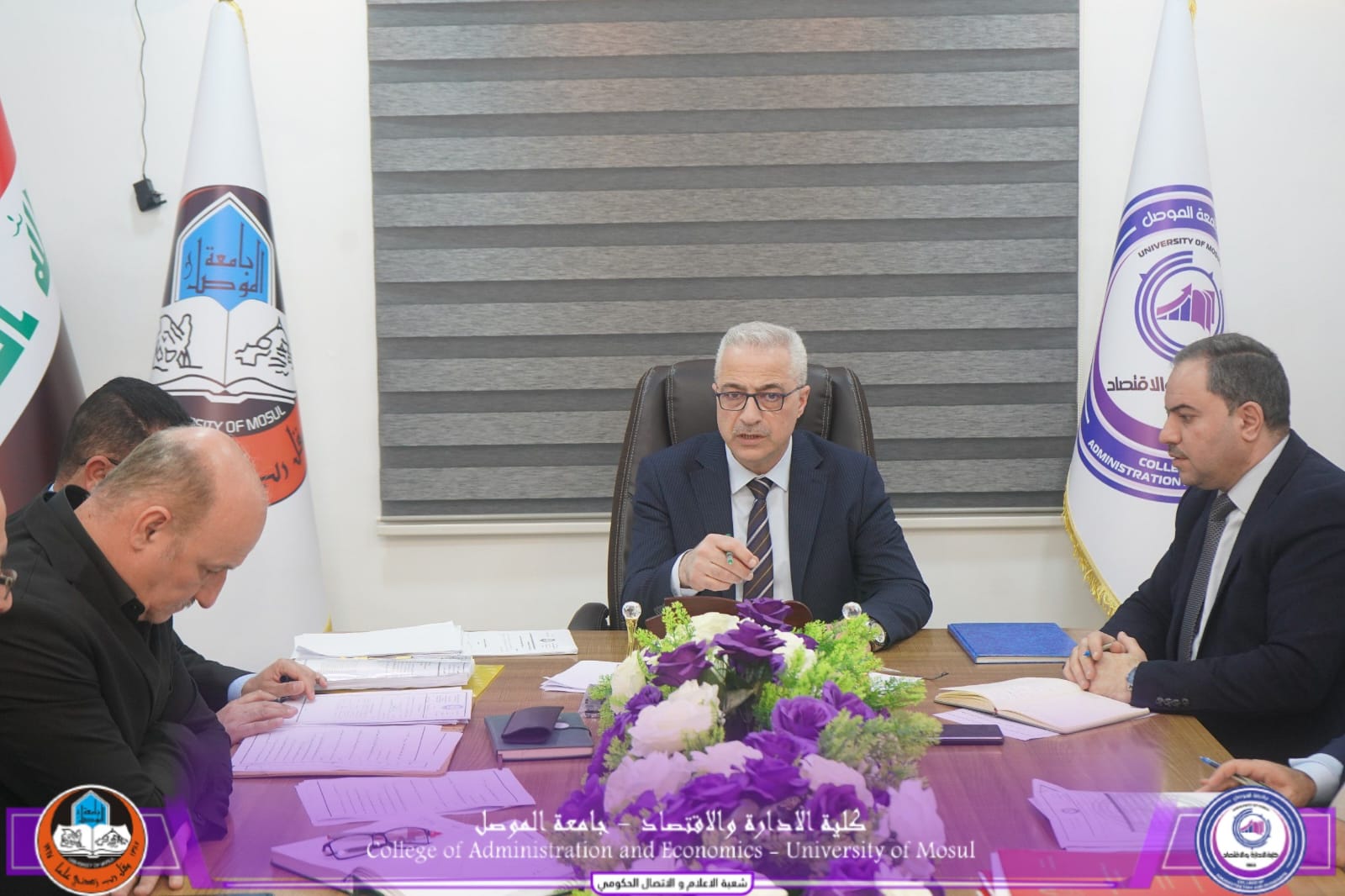
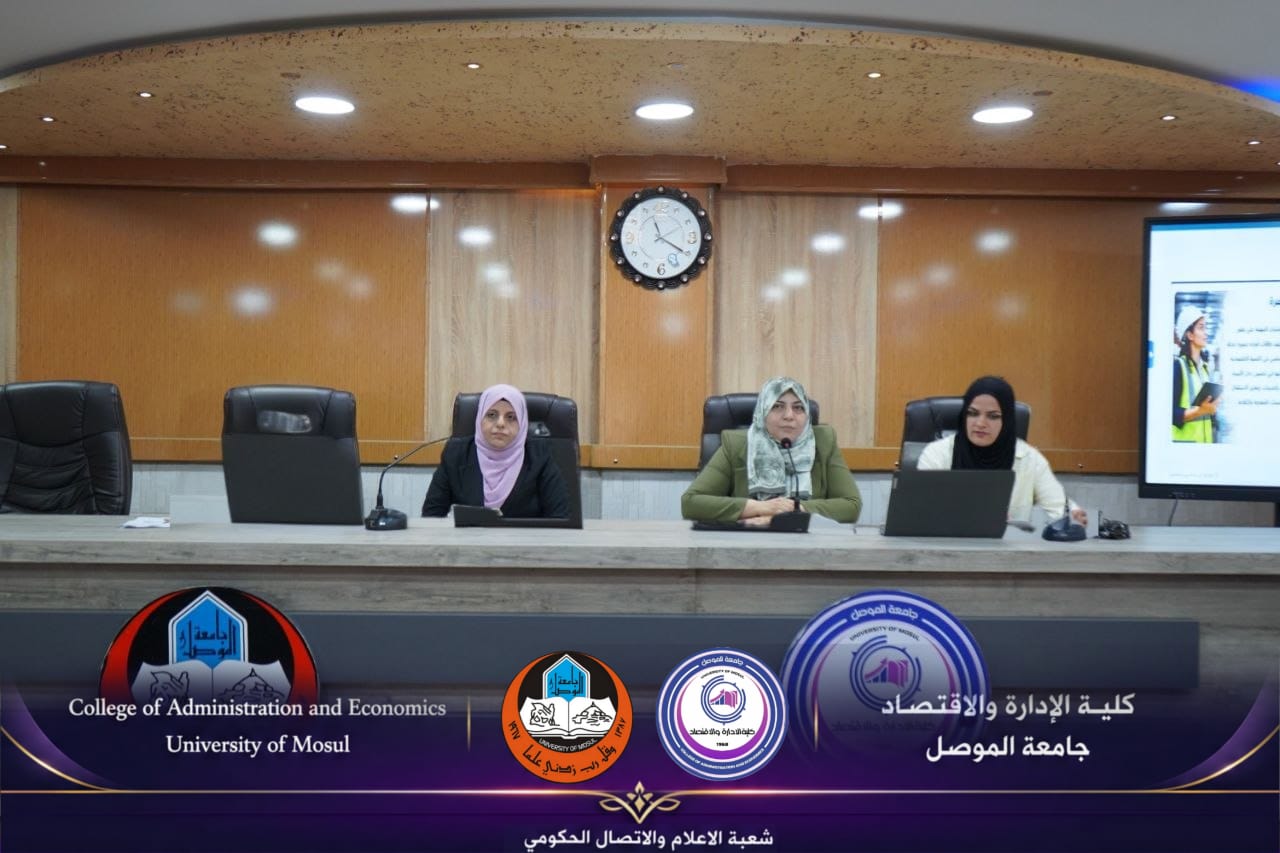
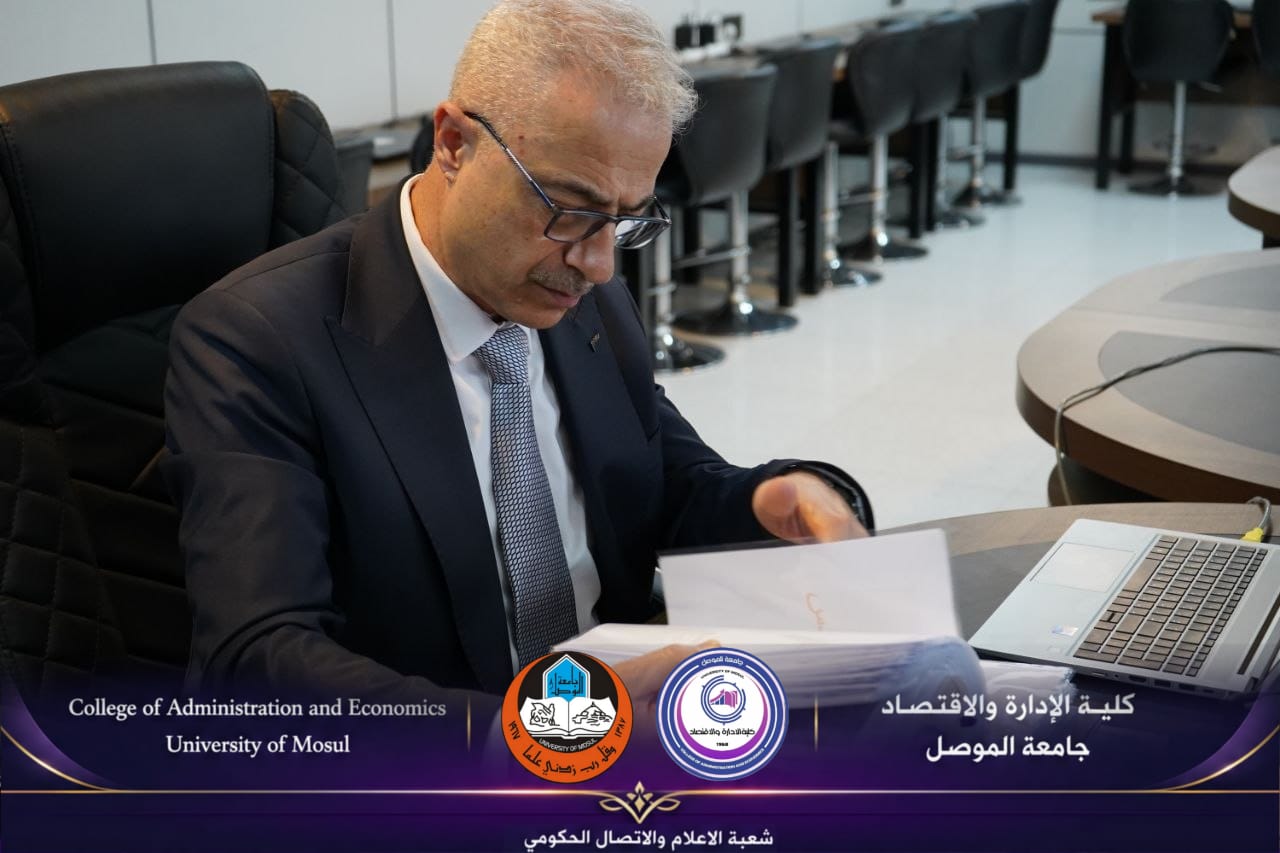
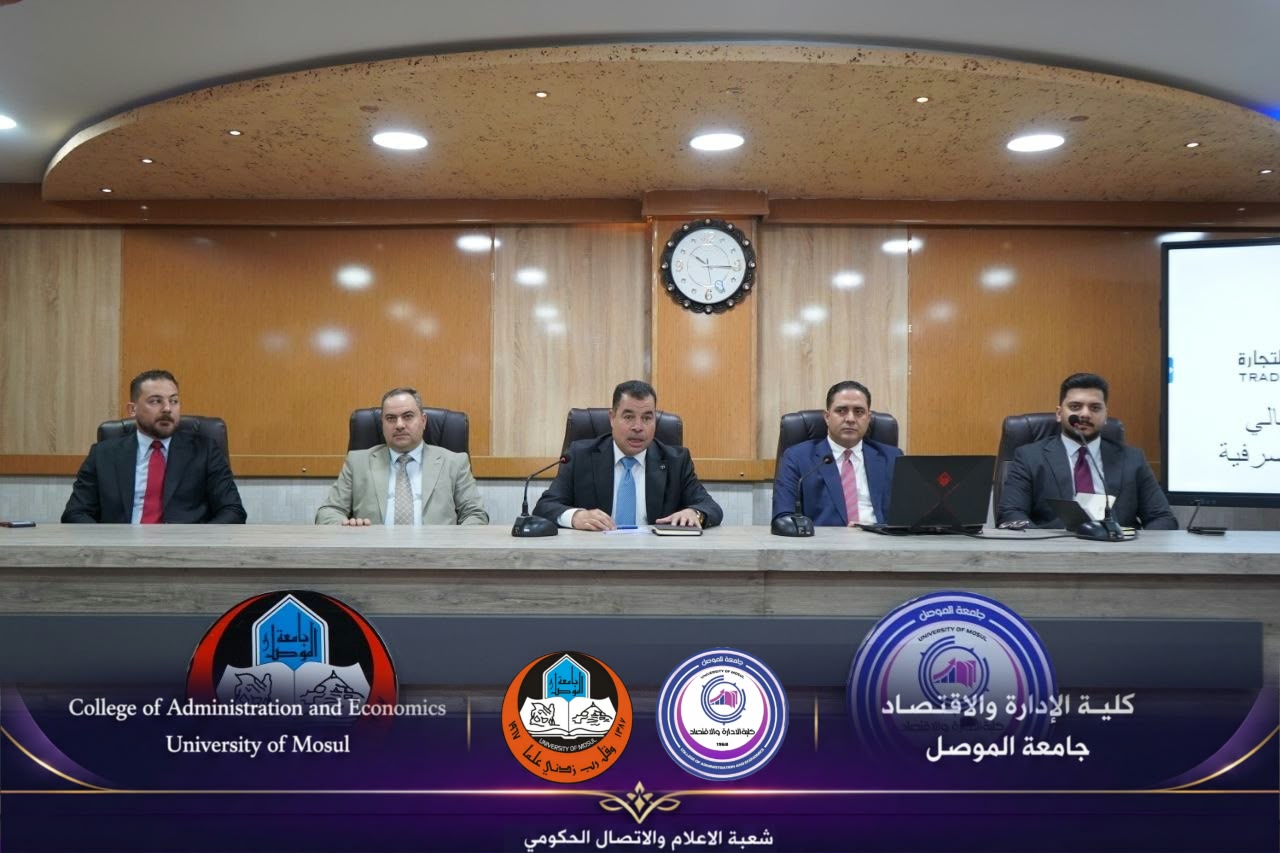
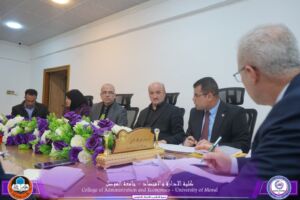
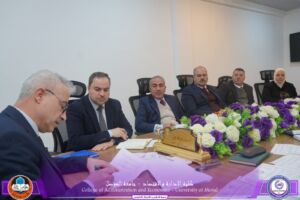
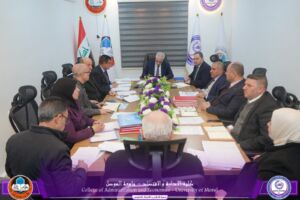
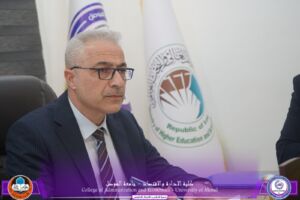
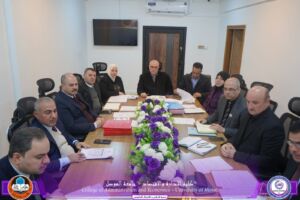
The Council of the College of Administration and Economics at University of Mosul held its sixteenth regular session for the academic year 2025–2026 on Monday, March 9, 2026, at the college’s deanship headquarters. The meeting was chaired by Prof. Dr. Sinan Zuhair Mohammed Jameel, Dean of the College, and attended by the assistant deans and heads of the academic departments.
The session began with a review of the administrative and academic directives issued by the University Council and a discussion of mechanisms for their implementation in a manner consistent with the requirements of the current phase, aiming to enhance institutional performance and strengthen administrative coordination within the college.
The meeting addressed several important academic and organizational topics. Among the most prominent were the emphasis on activating the role of the external examiner and the visiting professor, as well as the necessity of registering all faculty members and students on the HEPIQ Smart Platform. The council also stressed the importance of maintaining in-person attendance and ensuring that all faculty members fulfill their required teaching load.
The council further discussed the importance of updating and developing academic curricula to keep pace with scientific developments and labor market requirements, while ensuring the completion of course syllabi within the specified academic timeframe.
In the same context, emphasis was placed on adopting electronic documentation and archiving of official correspondence and administrative records, as this contributes to improving administrative efficiency and strengthening the process of digital transformation within the college.
The session concluded with the reading of the minutes of the academic departments and discussing their detailed contents, within a framework that reinforces transparency, integrates institutional roles, and supports sustainable institutional planning that enhances the college’s position within the university system and advances its academic and administrative performance.
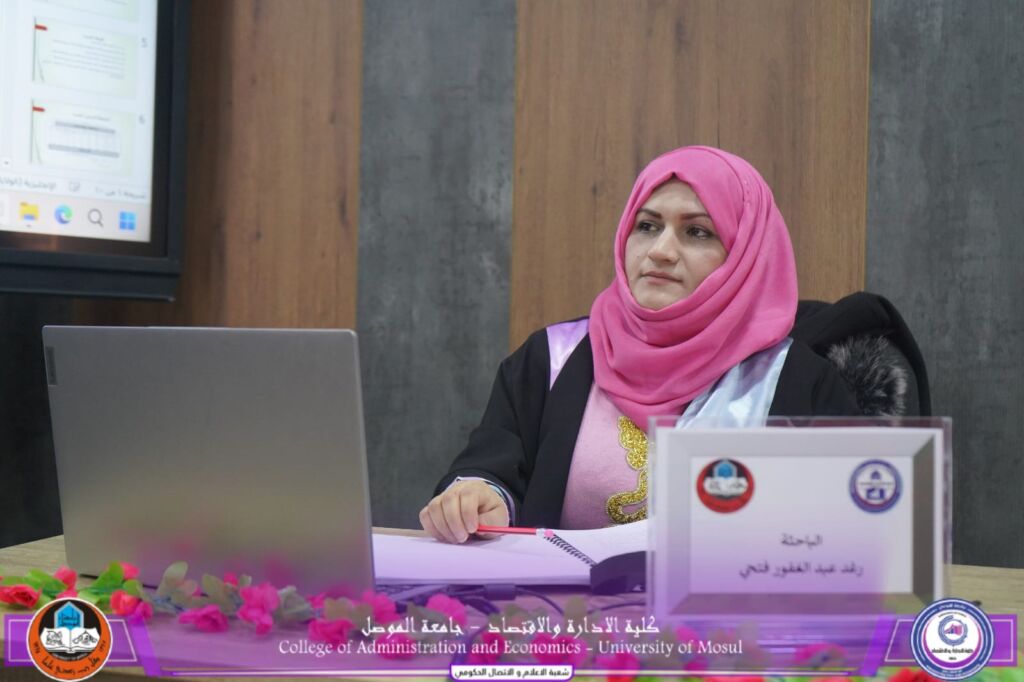 The Department of Industrial Management at the College of Administration and Economics – University of Mosul Discusses a Higher Diploma Thesis on Circular Economy Strategies and Their Role in Reducing Waste
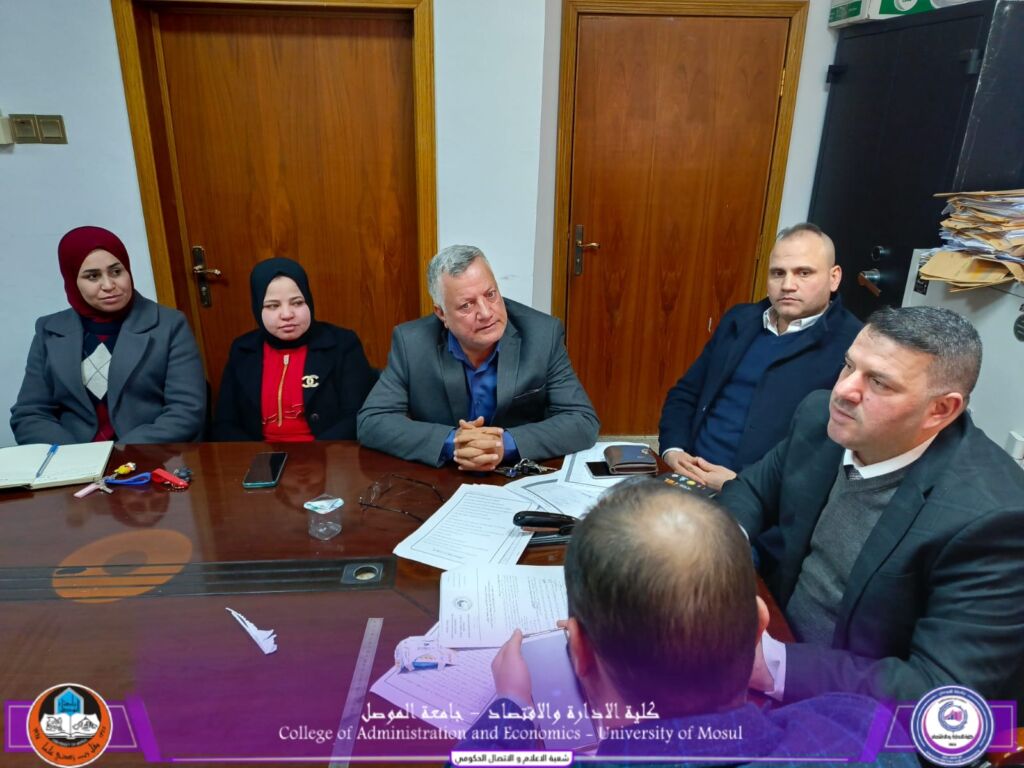 The Department of Marketing Management at the College of Administration and Economics, University of Mosul Discusses the Activation of the Smart Platform and Academic Work Requirements