25 November، 2026
The College of Administration and Economics at the University of Mosul highlighted the financial and economic repercussions of financial and administrative corruption in a specialized training course as part of its efforts to raise awareness about the risks of corruption and its impact on the national economy
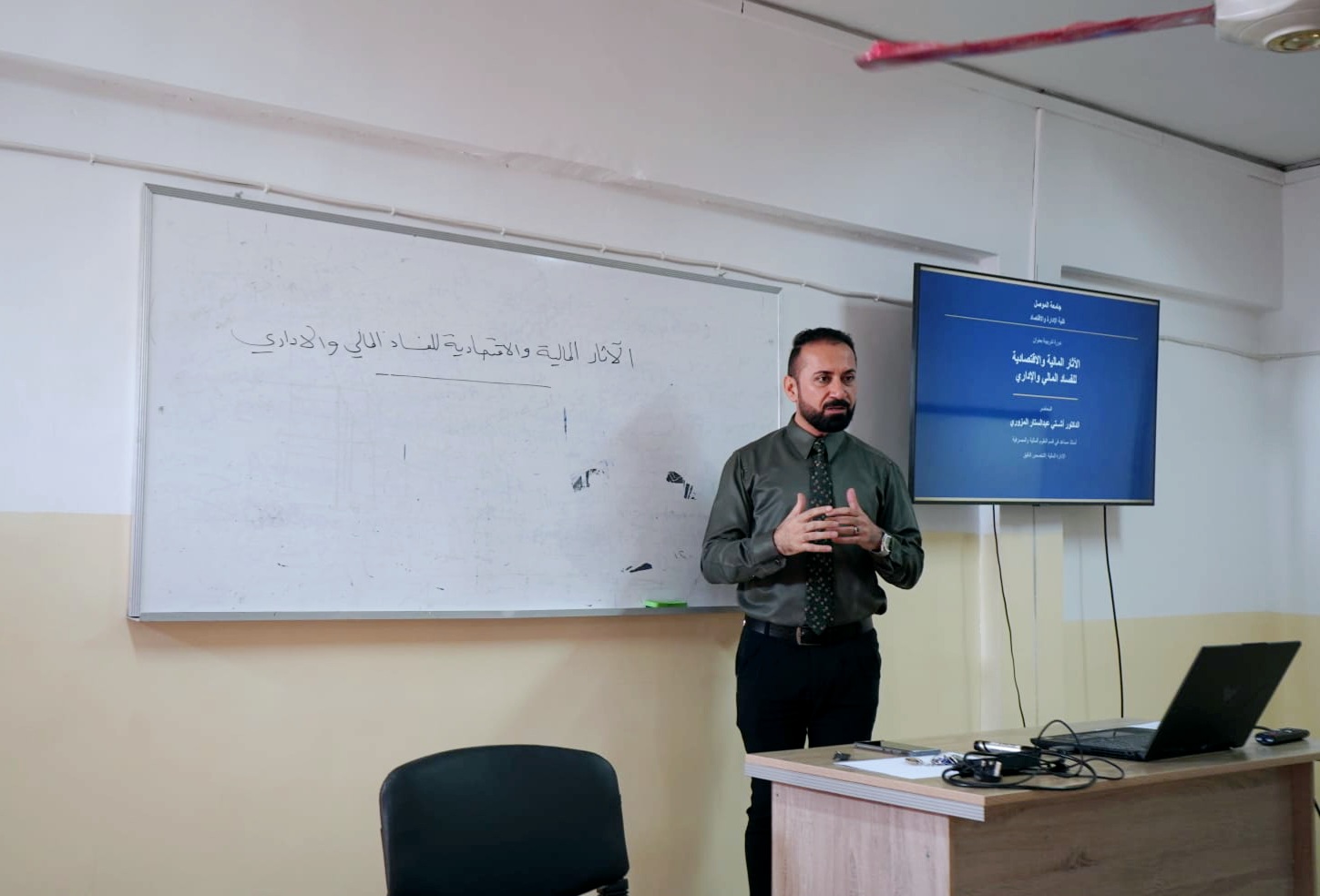
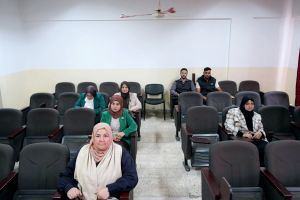
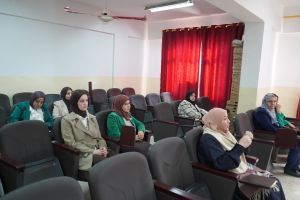
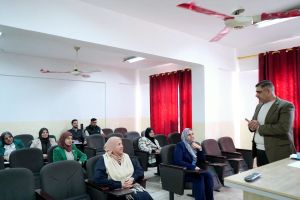
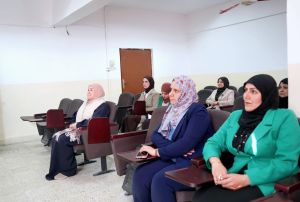
The Continuing Education Unit at the College of Administration and Economics at the University of Mosul held a free training course titled ‘Financial and Economic Effects of Financial and Administrative Corruption’ on Monday, November 23, 2026, in the Continuing Education Hall at the college’s deanery, with participation from the college staff. The course was led by Assistant Professor Dr. Ashti Abdulstar Abdulghani and Lecturer Ahmed Abdulkarim Ahmed from the Department of Financial and Banking Sciences. The course covered the concept of financial and administrative corruption and its main causes, focusing on its repercussions on financial performance and economic activity, as well as its negative effects on public resources, investment, and economic growth. It also reviewed mechanisms to reduce this phenomenon and promote the principles of integrity, transparency, and accountability.
This course comes as a confirmation of the college’s commitment to establishing a culture of institutional integrity, raising awareness of the financial and economic risks of corruption, and contributing to supporting administrative and financial performance efficiency and promoting sustainable development pathways.
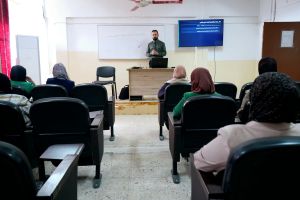
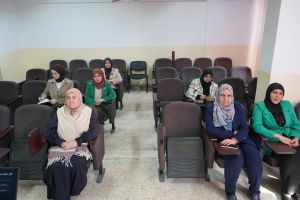
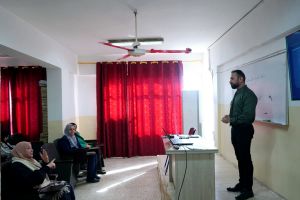
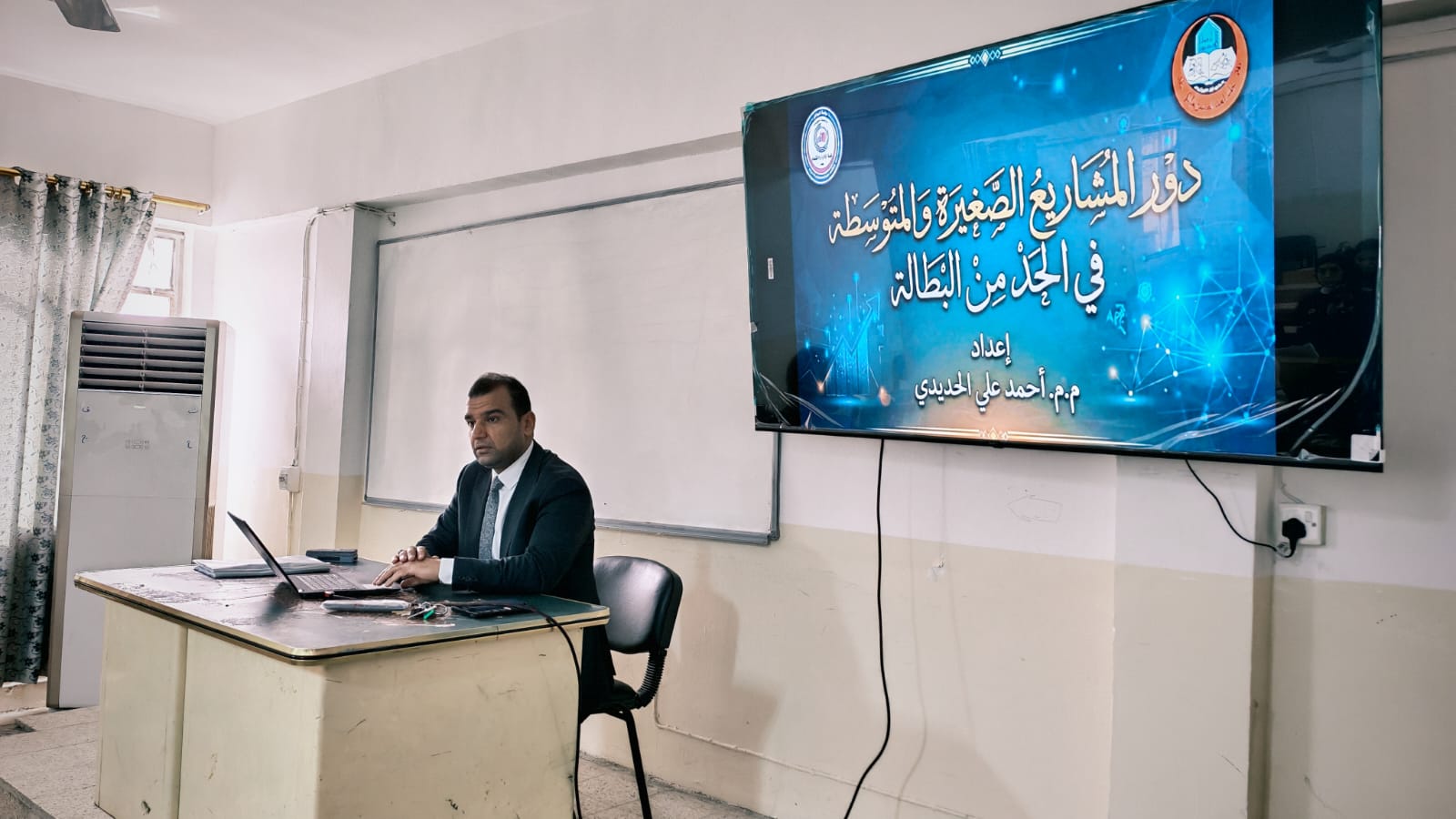
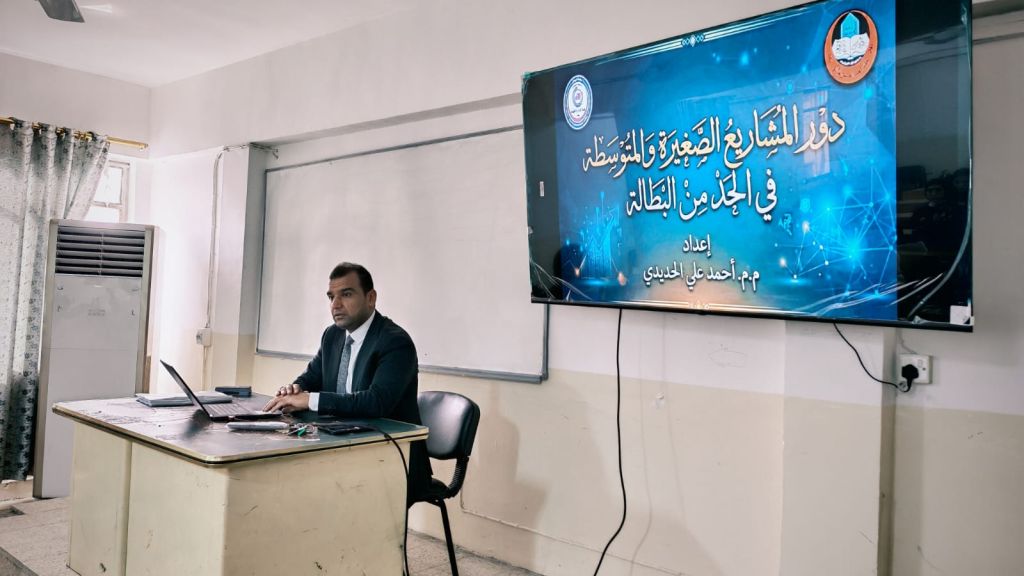 Towards Strengthening the Culture of Entrepreneurship.. College of Administration and Economics at the University of Mosul Highlights Small and Medium Enterprises as a Pillar of Economic Development
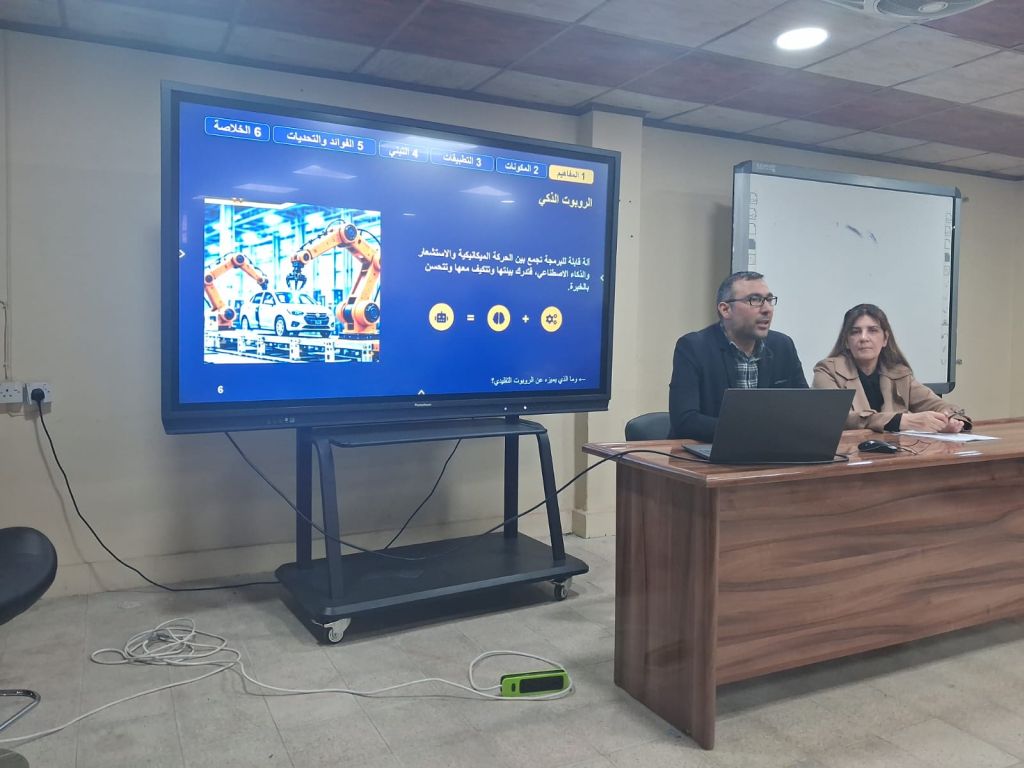 The Department of Management Information Systems at the College of Administration and Economics, University of Mosul, highlighted the role of robots and artificial intelligence in developing production factories