23 August، 2026
Master’s Thesis Discussion on “Digital Residency for Foreign Entrepreneurs – A Comparative Study” Held at the College of Law, University of Mosul
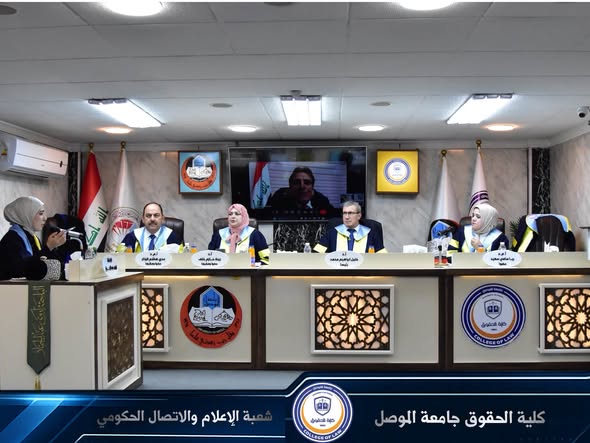
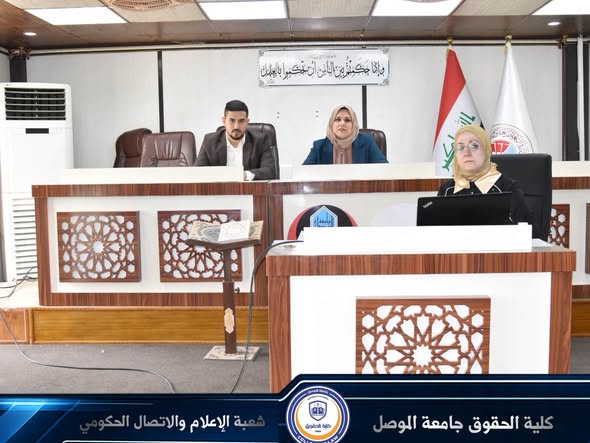
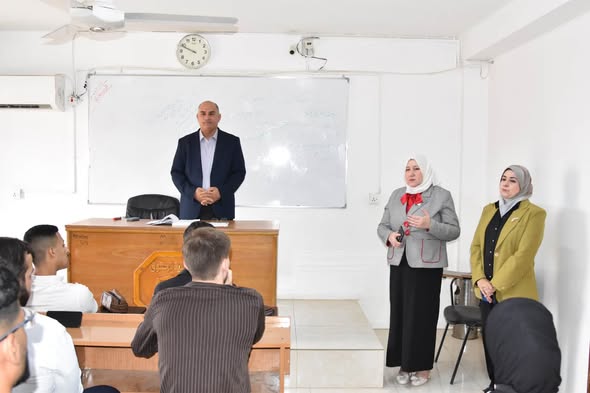
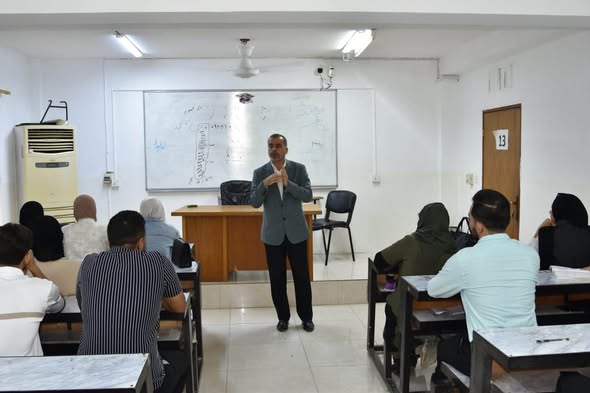
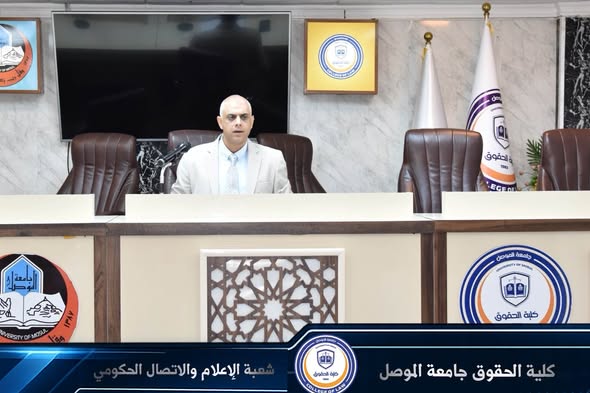
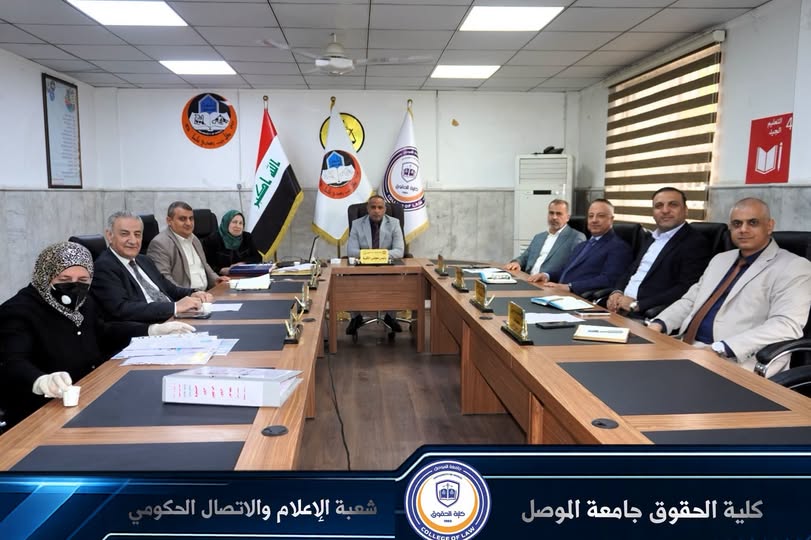
On Sunday, 23 August 2026, the College of Law at the University of Mosul hosted the defense of the Master’s thesis submitted by the student Arwa Abdul Jabbar Malo Hamid Al-Mukhtar, entitled “Digital Residency for Foreign Entrepreneurs – A Comparative Study.”
The study shed light on digital residency as an emerging legal framework that interfaces technological advancement with the rules of private international law, and examined its role in attracting foreign investment and fostering economic prosperity without mandating physical presence. The researcher addressed the concept of digital residency, its legal nature, and its distinction from digital identity and ordinary residency, as well as exploring the characteristics and categories of foreign entrepreneurs.
The thesis reviewed the procedures for obtaining digital residency in comparative legal systems (namely, the Emirati and Estonian models), and analyzed its impact on international private relations in terms of determining judicial and legislative jurisdiction, conflict-of-law rules, and the enforcement of foreign judgments in the digital domain. Additionally, the study presented a practical applied model for the design of this system, encompassing its software, material, and human resources dimensions, as well as implementation safeguards.
The thesis aimed to delineate the conceptual and legal framework of digital residency and to elucidate the mechanisms for its application, alongside identifying the deficiencies in Iraqi legislation (specifically, the Foreign Residency Law and the traditional rules of the Civil Code) and its inability to keep pace with technological developments due to its adherence to the requirement of physical presence for individuals and companies. The study concluded by presenting legislative proposals and solutions for the adoption of this system in Iraq, the revision of conflict-of-law rules, and the reform of choice-of-law provisions to render them more flexible in attracting capital.
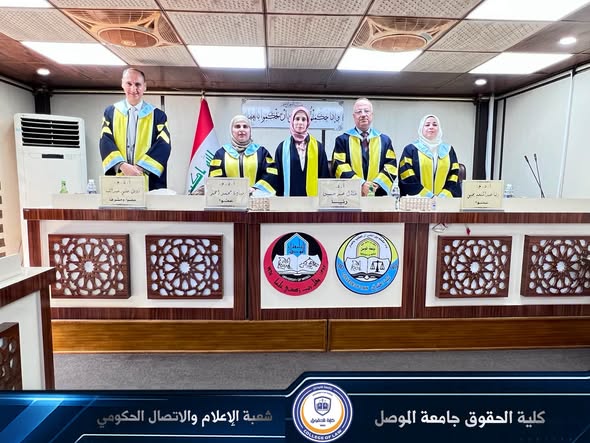
The examination committee was composed of:
-
Prof. Dr. Khalil Ibrahim Mohammed – Chair
-
Prof. Dr. Khairuddin Kadhim Al-Amin – Member
-
Asst. Prof. Dr. Raya Sami Sa’eed – Member
-
Prof. Dr. Zeina Hazem Khalaf – Member and Supervisor
-
Asst. Prof. Dr. Uday Hashim Sa’eed Al-Wattar – Member and Supervisor