7 October، 2026
Legal Article: Legal Responsibility for Defamation and Abuse via Social Media under Iraqi Law
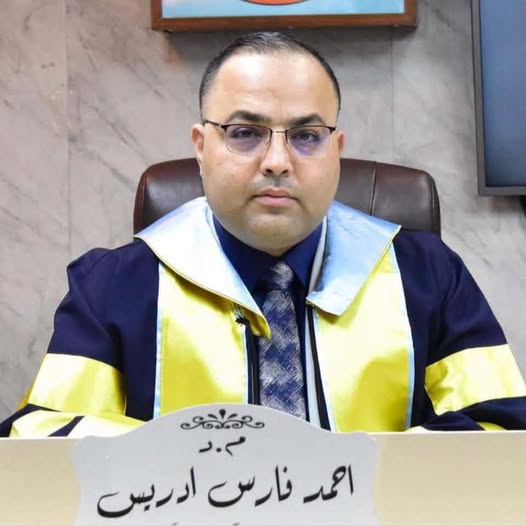
Dr. Ahmed Fares Idris
University of Mosul – College of Law
Introduction:
Social media has become one of the most important means of communication and expression in the modern era, given the speed it provides in circulating information and the possibility of reaching a large number of people in a short time. However, this development has, on the other hand, produced new forms of assault on individuals’ rights, most notably defamation, insult, slander, and abuse of reputation and privacy.
The danger of these acts in the digital environment lies in the speed at which content spreads and the possibility of republishing, preserving, and circulating it on a wide scale, which may lead to social, psychological, and professional harm to the victim. Consequently, legal responsibility for content published via social media has become an important topic linked to the protection of dignity, honor, reputation, and privacy, while also necessitating a balance between these and freedom of expression.
In confronting these acts, the Iraqi legislator relies on a number of legal provisions, particularly the provisions of the Iraqi Penal Code No. (111) of 1969, as amended, in addition to constitutional principles related to the protection of dignity, privacy, and freedom of expression.
First: The Concept of Defamation and Abuse via Social Media:
Defamation, in general, means publishing or circulating information or claims that would harm a person’s reputation or social or professional standing before others. Defamation may take the form of a post, comment, image, video clip, audio recording, or other digital means. Slander (qadhf) differs from insult (sabb) from a legal standpoint; slander is based on attributing a specific fact to a person that, if true, would warrant their punishment or contempt among their fellow citizens, as stipulated in Article (433) of the Iraqi Penal Code. Insult, on the other hand, is realized by attributing words or phrases that would tarnish a person’s honor or reputation or wound their feelings, without requiring the attribution of a specific fact, in accordance with Article (434).
Accordingly, using social media to publish a false accusation or insulting words does not preclude legal responsibility merely because the act was committed electronically, as traditional penal provisions may apply to the conduct whenever the elements of the crime and its legal conditions are met.
Second: Legal Responsibility for Defamation and Abuse:
Criminal responsibility arises, in general, when the elements of the crime defined by law are present, the most important of which are the existence of a legal provision criminalizing the act, the commission of material conduct by the perpetrator, and the presence of criminal intent in accordance with the nature of the crime.
In the field of social media, the material conduct may consist of publishing a post, comment, image, video, or republishing content containing slander, insult, or abuse, whenever the conditions required by law apply.
The Iraqi Penal Code has addressed slander and insult in Articles (433) and (434), and has considered their commission through publication in newspapers, publications, or other means of media as an aggravating circumstance. Given the nature of social media as a widely disseminated means, the legal characterization of the act is left to the competent judicial authority according to the circumstances of each case and the evidence available therein.
Article (438) of the Iraqi Penal Code has also addressed the publication of news, images, or comments related to the private or family secrets of individuals, even if true, whenever their publication would cause them harm. It is evident from this that legal protection is not limited to confronting false information, but also extends to protecting private life from abusive publication.
Third: The Role of Awareness in Reducing Electronic Defamation Crimes:
Legal and digital awareness represents a fundamental means of reducing abuse and defamation via social media. Many users may not realize that what they publish on their personal accounts can have legal consequences, and that the electronic environment does not mean the absence of responsibility.
Awareness includes clarifying the boundaries between freedom of expression and abuse, introducing individuals to the risks of republishing unreliable news, warning of the danger of publishing others’ images and personal information without legitimate justification, and promoting a culture of respect for privacy and human dignity.
Awareness programs should also include training users to think before publishing, verify information, and refrain from sharing content that contains accusations, insults, or violations of others’ privacy.
Fourth: The Role of Society in Awareness:
Society has an important role in reducing the phenomenon of electronic defamation and abuse, as responsibility is not limited to legal authorities alone. The family, educational institutions, the media, and civil society organizations are capable of building a digital culture based on responsibility and respect.
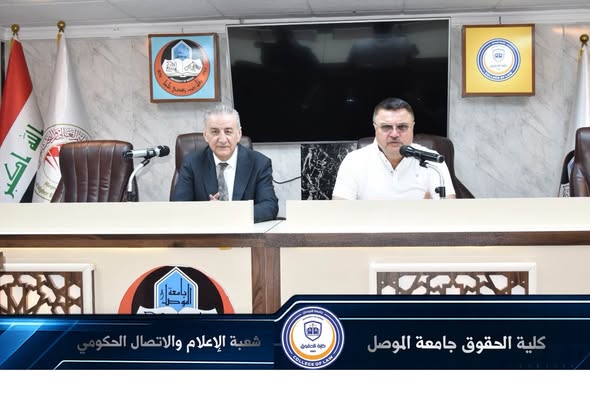
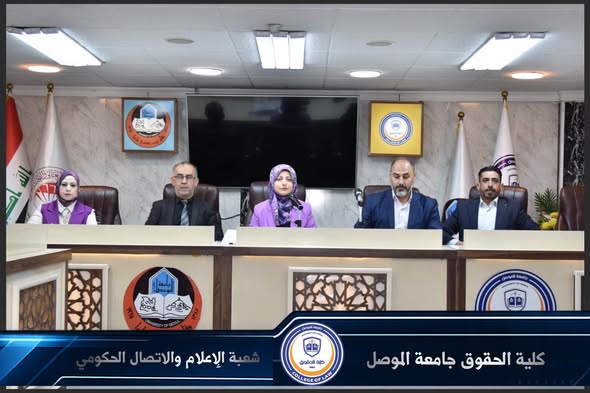
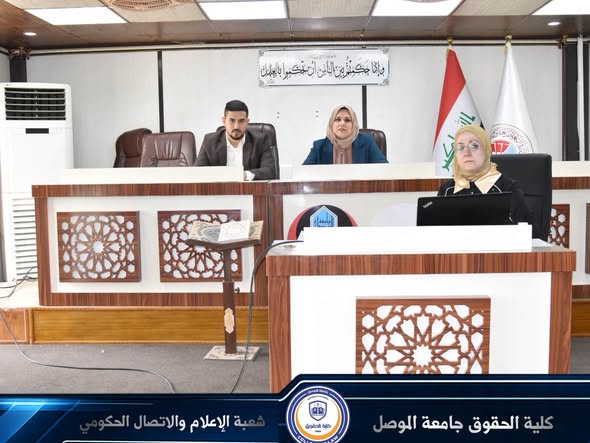
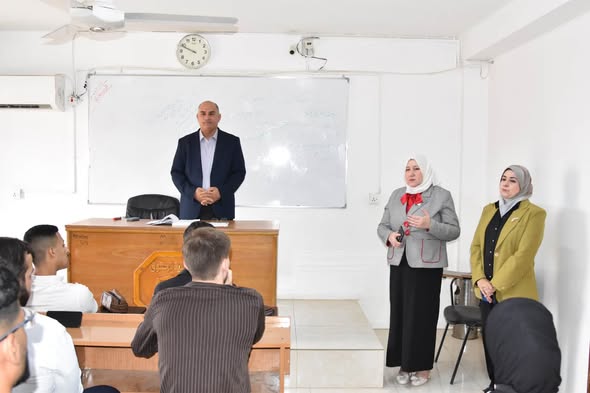
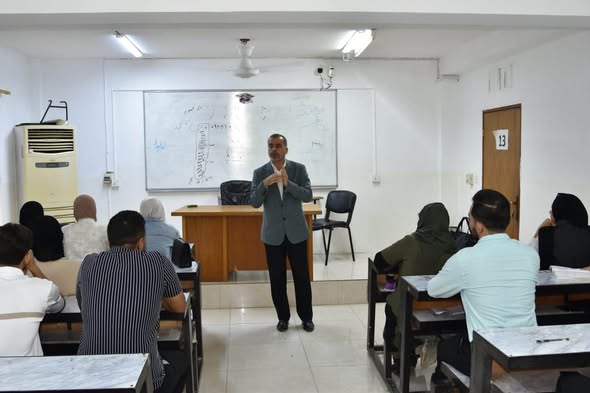
This is achieved through holding awareness seminars and lectures, spreading legal culture related to the use of social media, encouraging individuals not to circulate abusive content or contribute to its spread, in addition to promoting respect for privacy and not turning digital platforms into a means of bullying, revenge, or abuse.
Society’s awareness of the importance of not republishing abusive content also contributes to limiting its effects, because recirculation may expand the scope of harm inflicted on the affected person.
Fifth: The Role of Educators in Raising Children’s Awareness of Social Media Use:
Educators play a fundamental role in building digital awareness among students, especially since early use of social media requires appropriate educational and legal guidance.
Educational institutions should work to introduce the principles of digital citizenship into educational activities and programs, so that children learn that using social media is linked to rights and duties, and that freedom of expression does not mean abusing others or violating their privacy.
Students must also be made aware of the danger of spreading rumors and accusations, mocking others, and publishing their images or information without their consent, while teaching them methods of responsible handling of electronic disputes.
Conclusion:
It is clear from the foregoing that defamation, insult, slander, and abuse via social media represent acts that may entail legal responsibility whenever the elements of the crime are present and the applicable legal provisions apply to the act. The Iraqi Penal Code No. (111) of 1969, as amended, has provided criminal protection for honor, reputation, and privacy by criminalizing slander, insult, and certain forms of publishing private secrets.
At the same time, freedom of expression guaranteed by the Iraqi Constitution must be respected, with the realization that this freedom is not absolute, but is exercised within the limits that protect the rights, dignity, and privacy of others.
Hence the importance of legal, educational, and societal awareness emerges, as confronting electronic defamation does not depend on punishment alone, but requires spreading a culture of responsible use of social media and enhancing awareness among children and youth that what is published in cyberspace may leave long-term social and legal effects.
Sources:
-
Iraqi Penal Code No. (111) of 1969, as amended, particularly Articles (433, 434, 435, 438).
-
Constitution of the Republic of Iraq of 2005, particularly Articles (17), (19), (37), (38), (40).
-
Iraqi Council of Representatives, Decisions and Recommendations of Sessions Related to the Proposed Cybercrime Combating Law, 2026.