23 April، 2026
The Accounting Department at the College of Administration and Economics, University of Mosul, Employs Digital Transformation Tools to Combat Financial and Administrative Corruption
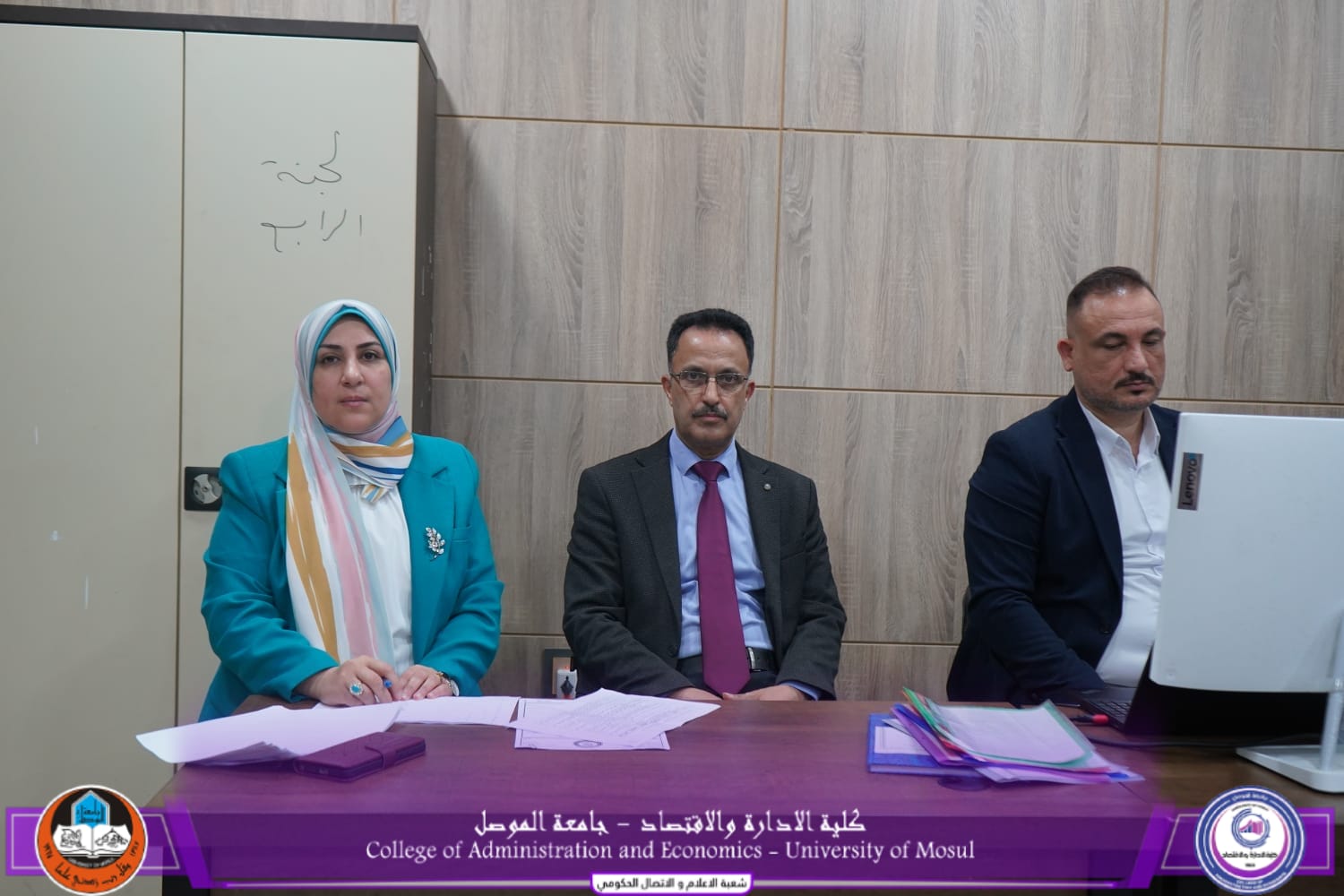
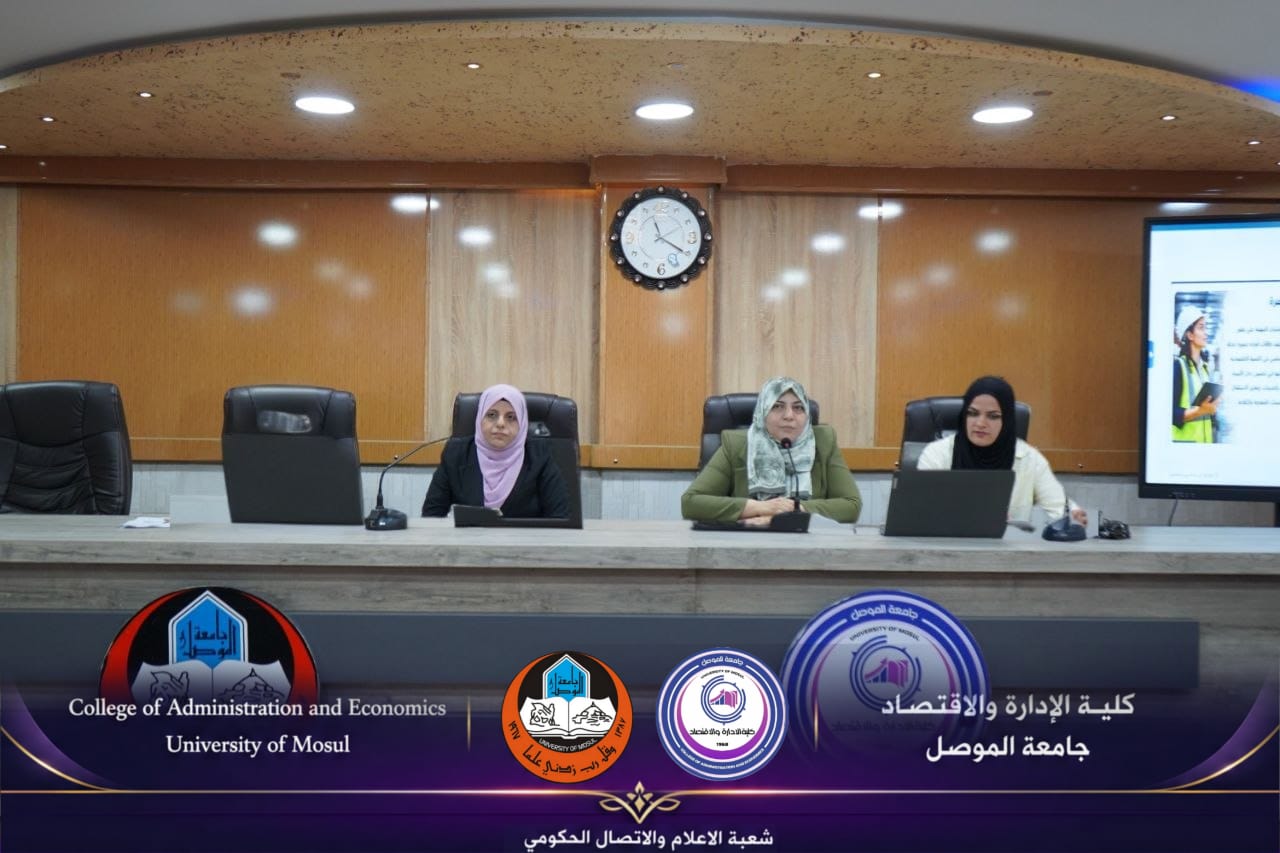
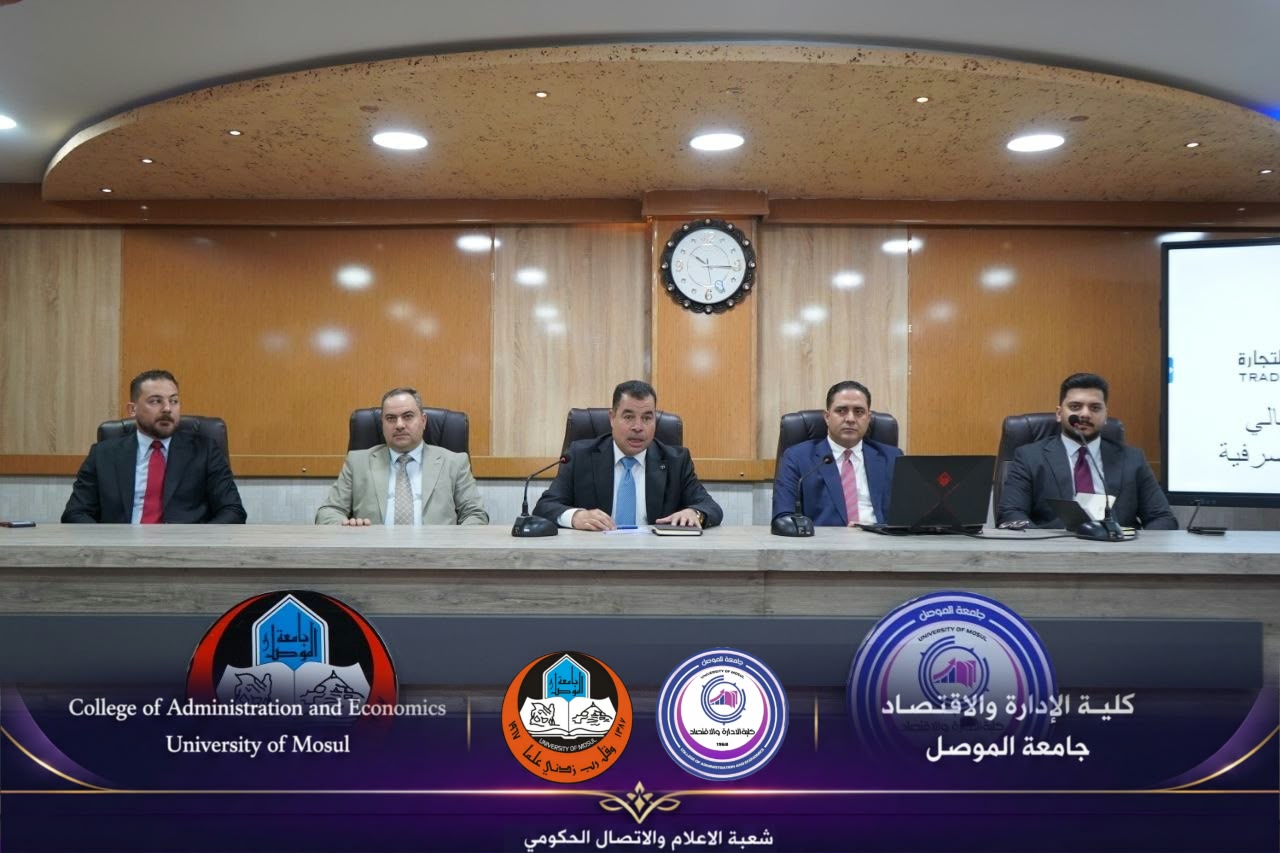
Under the patronage of the President of the University of Mosul, Professor Dr. Wahid Mahmoud Al-Ibrahimi, and the supervision of the Dean of the College of Administration and Economics, Professor Dr. Sinan Zuhair Mohammed Jameel, and with the follow-up of the Head of the Accounting Department, Professor Dr. Ziad Hashim Al-Saqa, the Accounting Department organized a scientific workshop on Thursday, April 23, 2026, titled:
“The Role of Digital Transformation Tools in Reducing Financial and Administrative Corruption.”
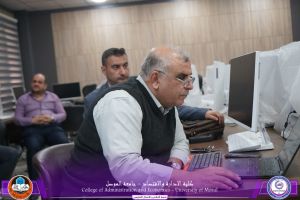
The workshop was held at 12:00 PM in Laboratory No. (1) within the department.
The workshop covered a range of important scientific topics, most notably: e-government and its role in reducing financial and administrative corruption, the impact of digital transformation tools in enhancing transparency and control, the role of legislation and oversight agencies in combating corruption in light of recent developments, as well as the importance of analytical examination of accounts in detecting fraud and manipulation.
The workshop sessions were presented by a distinguished group of faculty members from the department, including:
Assistant Professor Dr. Kubra Mohammed Tahir
Assistant Professor Dr. Ali Mal Allah
Lecturer Dr. Hala Abdul Ghani
Lecturer Dr. Huda Salem
Lecturer Dr. Intisar Abdul Redha
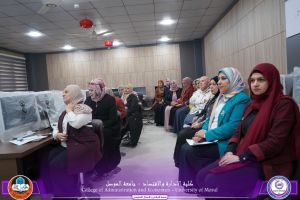
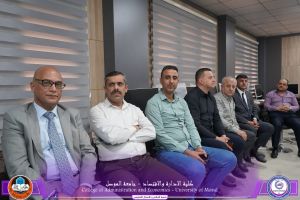
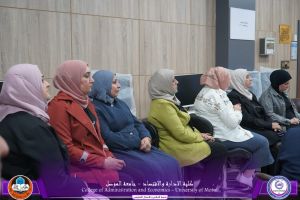
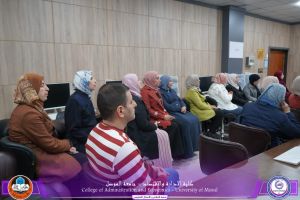
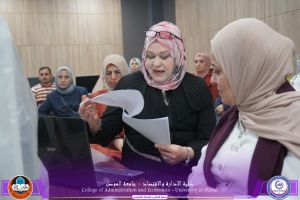
The workshop was attended by several faculty members, and concluded with constructive academic discussions that reflected the importance of the topic and its direct connection to the requirements of strengthening institutional integrity in the modern business environment.
This workshop is part of the efforts of the College of Administration and Economics / University of Mosul to support modern trends towards digital transformation and enhance governance tools, which contribute to reducing manifestations of financial and administrative corruption and reinforcing the principles of transparency and accountability.
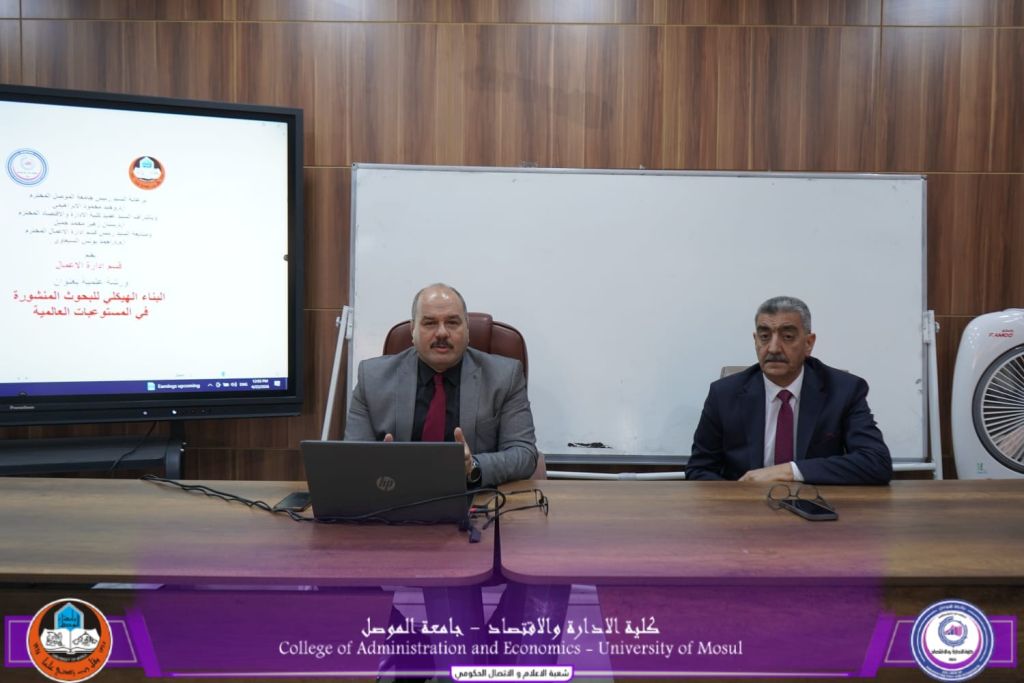 The Department of Business Administration at the College of Administration and Economics, University of Mosul, Enhances Global Publishing Through a Specialized Workshop on Building Scientific Research
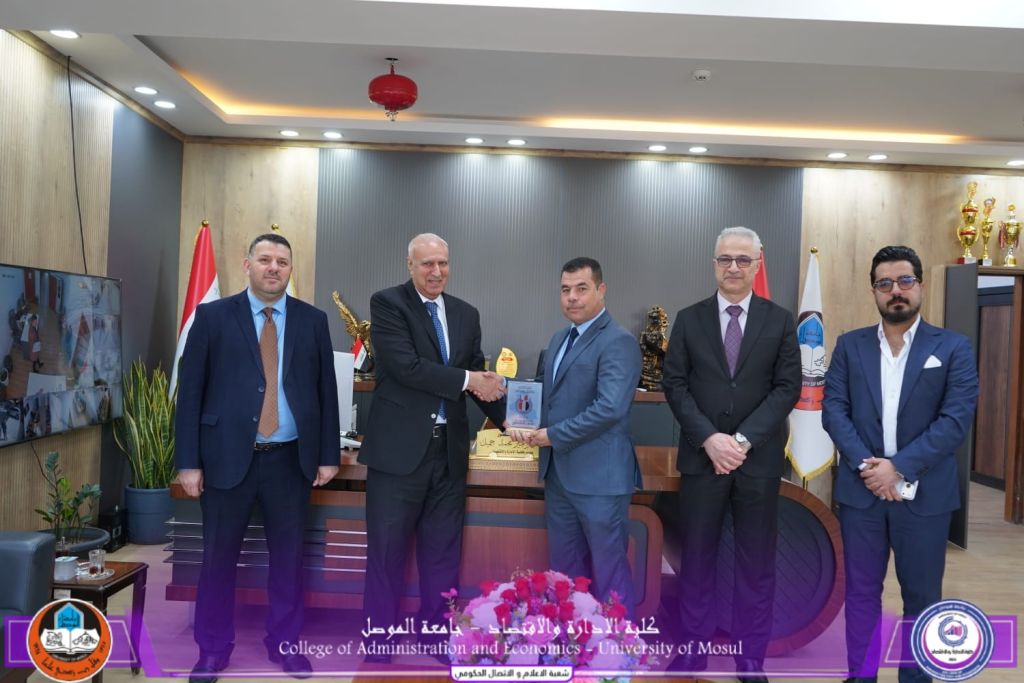 The College of Administration and Economics at the University of Mosul Strengthens Its Academic Presence with a Cooperation Agreement with its Counterpart at the University of Al-Mustafa to Achieve Academic Partnerships and Sustainable Development