9 June، 2026
Scientific Symposium Titled: “Hemorrhagic Fever and Its Impact on Livestock and Public Health”
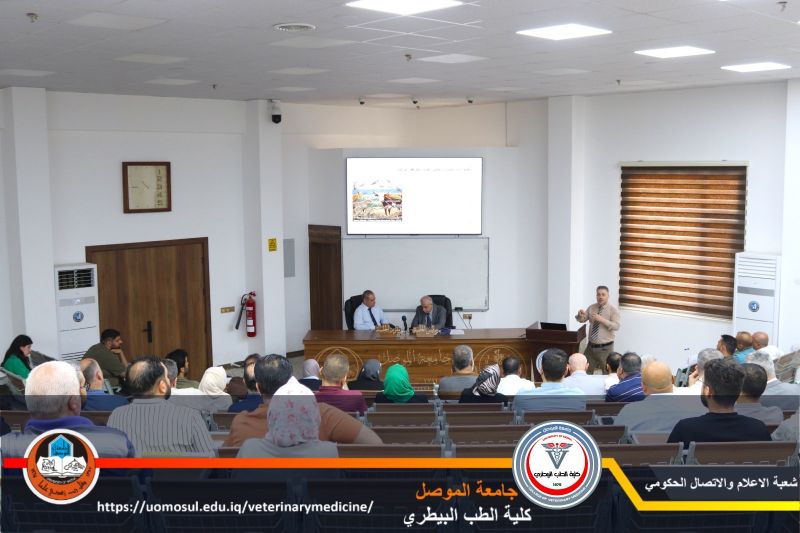
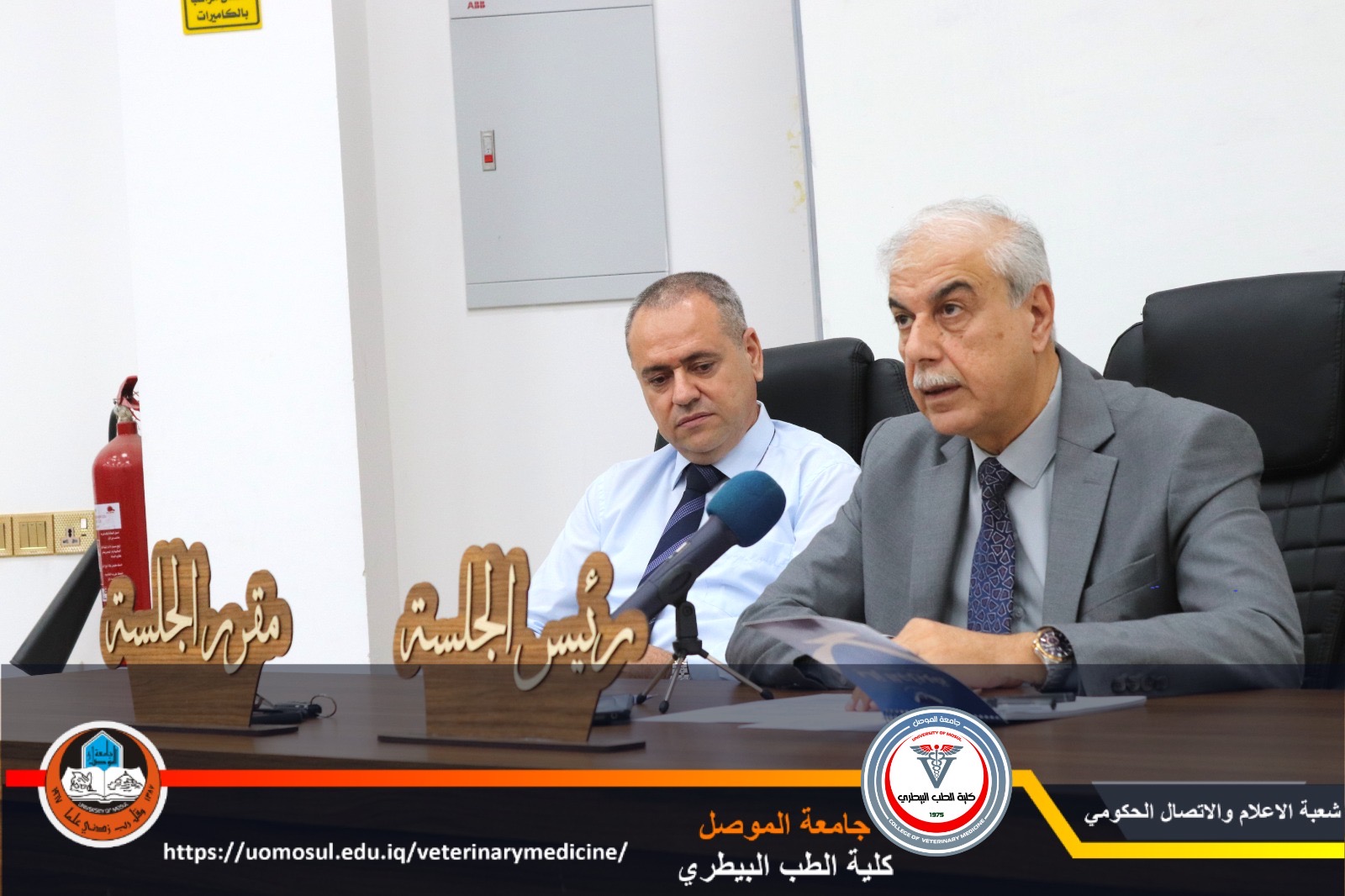
Under the patronage of Professor Dr. Wahid Mahmoud Al-Ibrahimi, President of the University of Mosul, the College of Veterinary Medicine at the University of Mosul, in cooperation with the Department of Studies and Planning / Sustainable Development Unit, organized a scientific symposium entitled “Hemorrhagic Fever and Its Impact on Livestock and Public Health.”
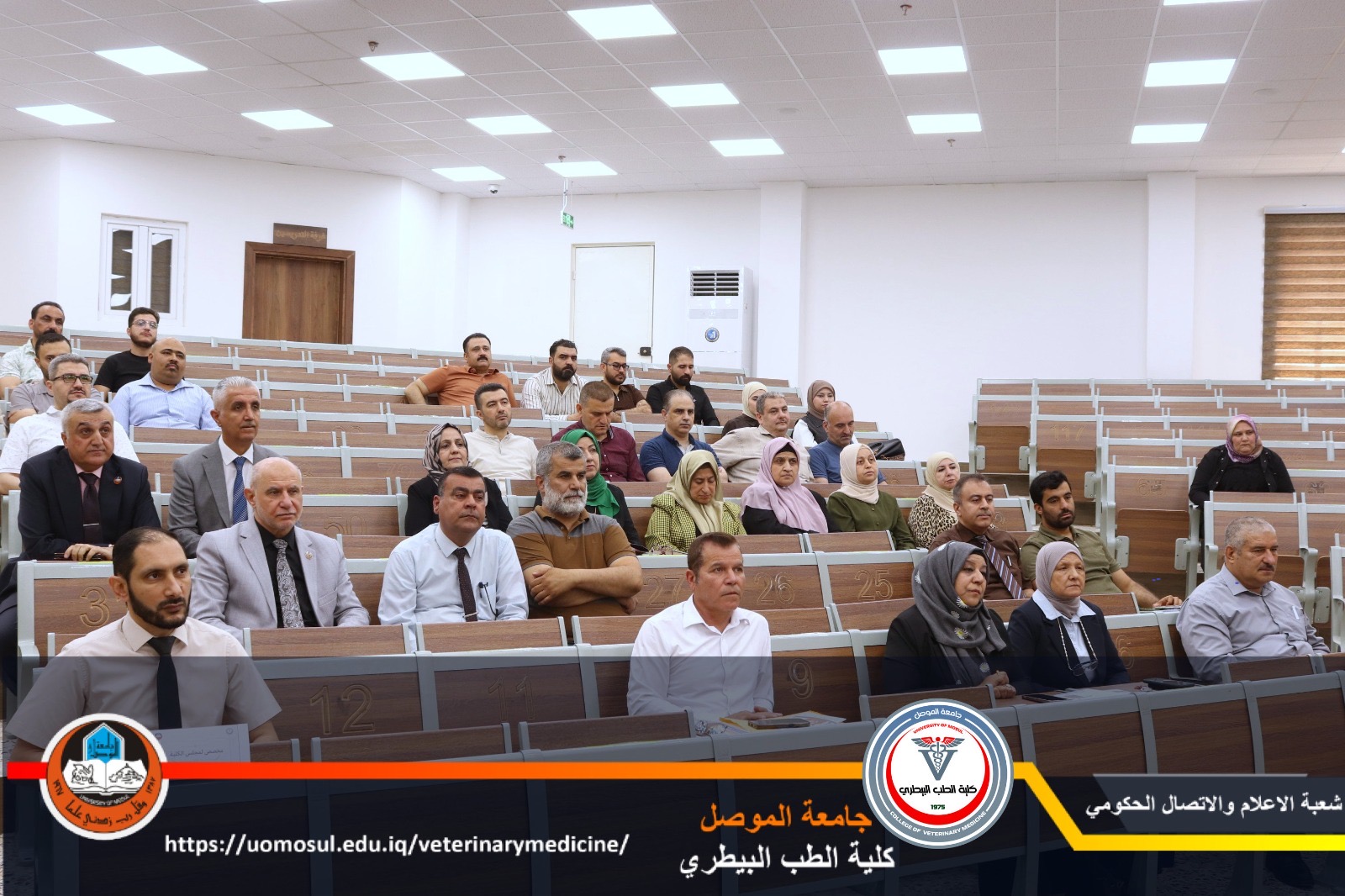
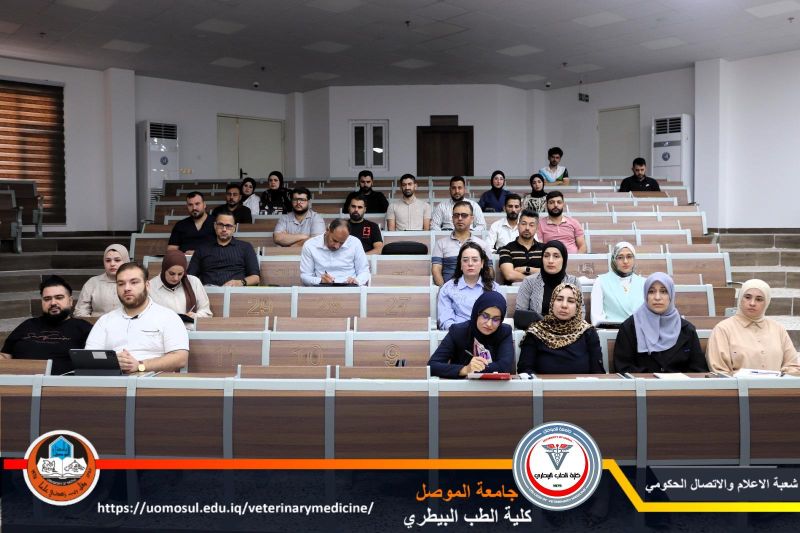
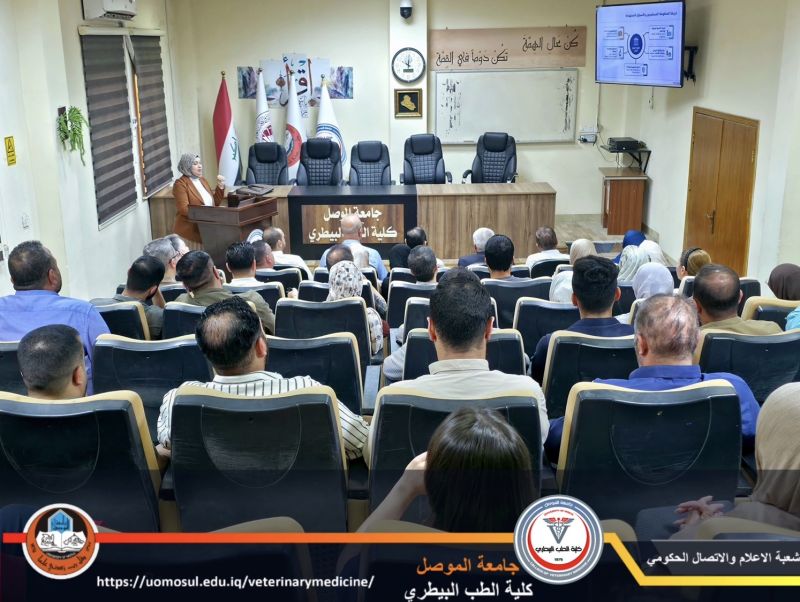
The symposium was held on Sunday, May 24, 2026, and was attended by a number of faculty members, researchers, students, and individuals interested in public health and veterinary affairs.
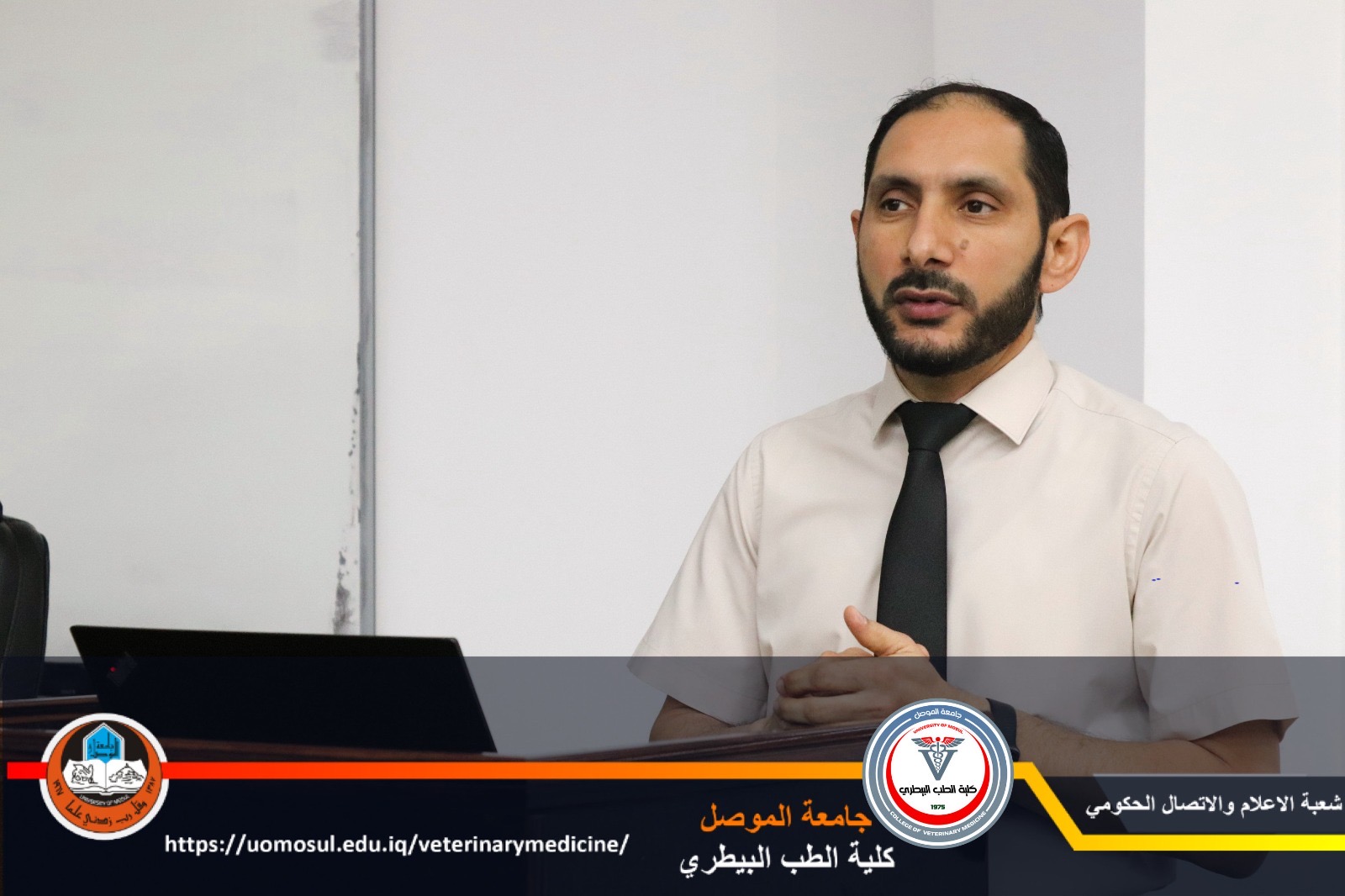
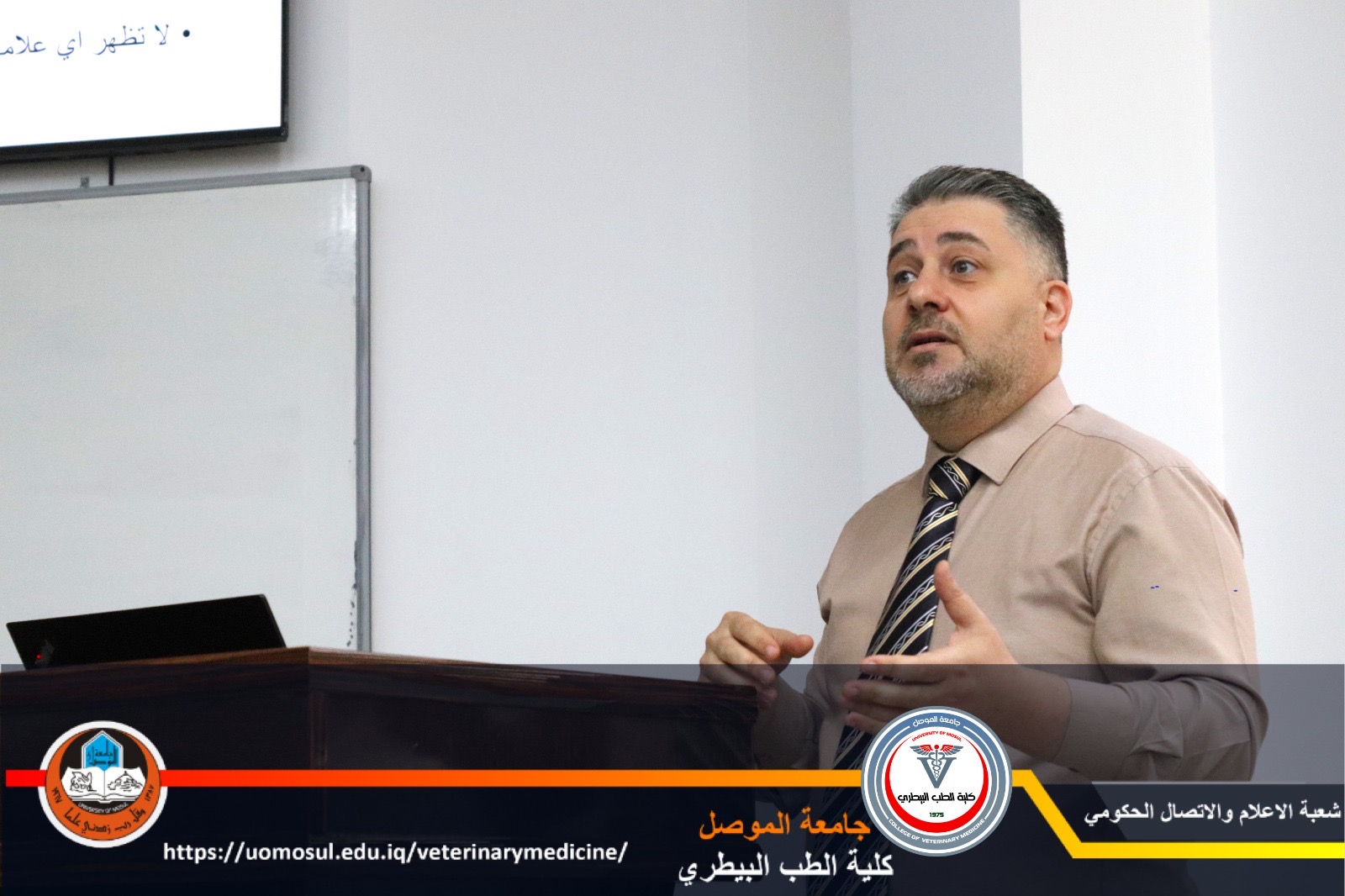
The event began with an opening lecture delivered by Professor Dr. Safwan Yousif Mahmoud and Assistant Professor Dr. Mohammed Osama Abdulmajeed, highlighting the importance of raising awareness about zoonotic diseases and the dangers posed by hemorrhagic fever to both humans and animals.
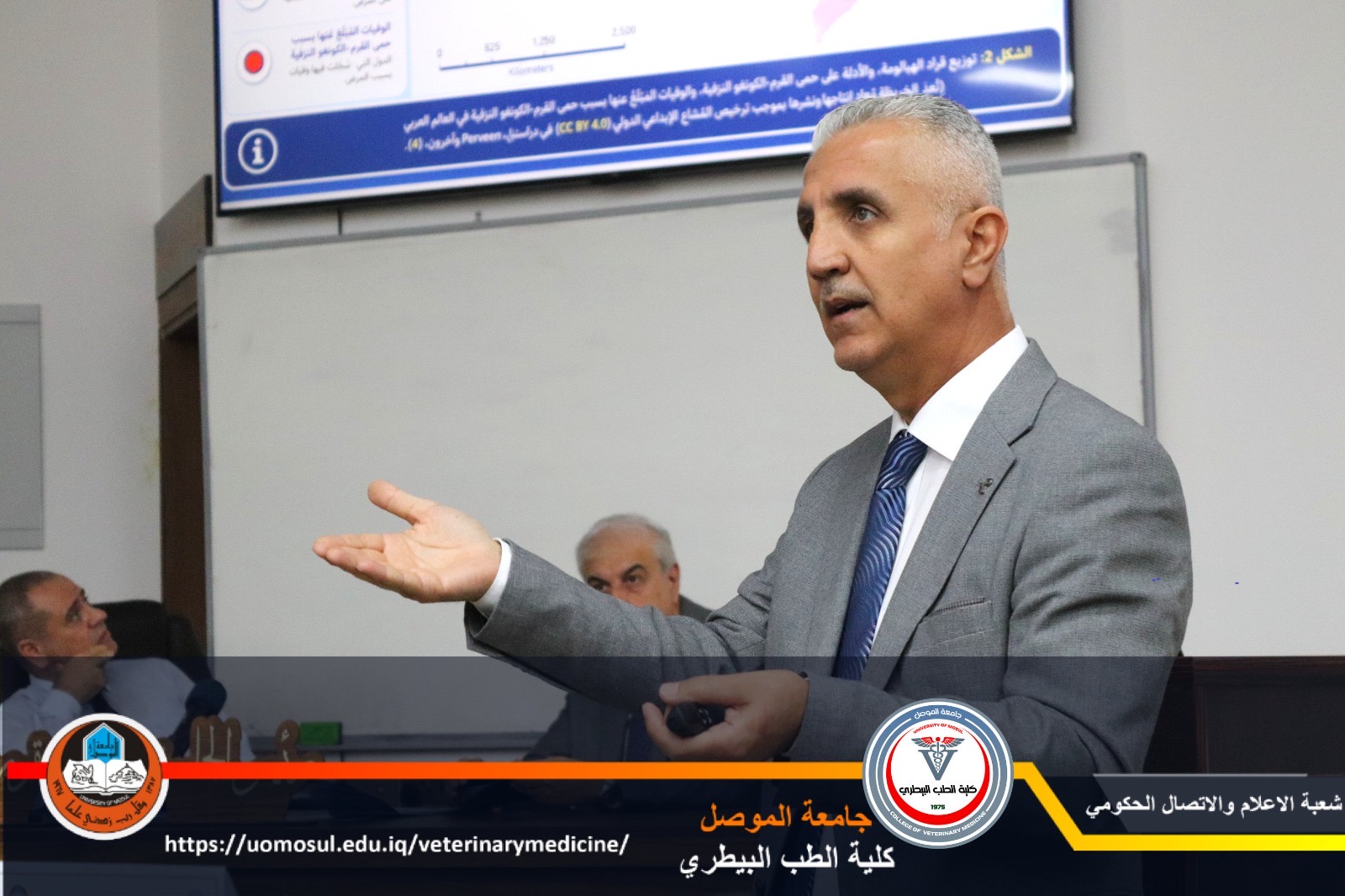
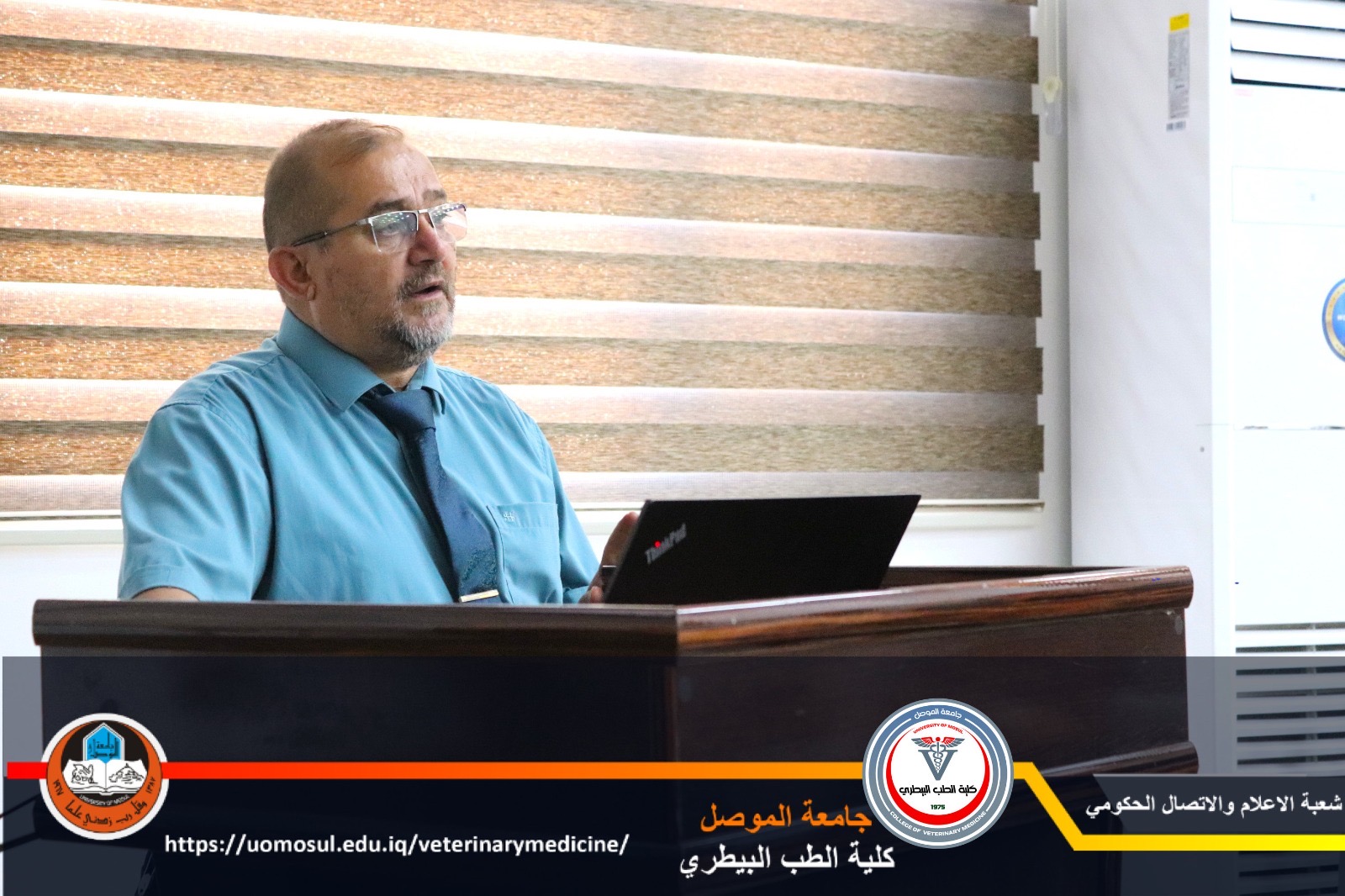
The symposium program included three specialized scientific lectures as follows:
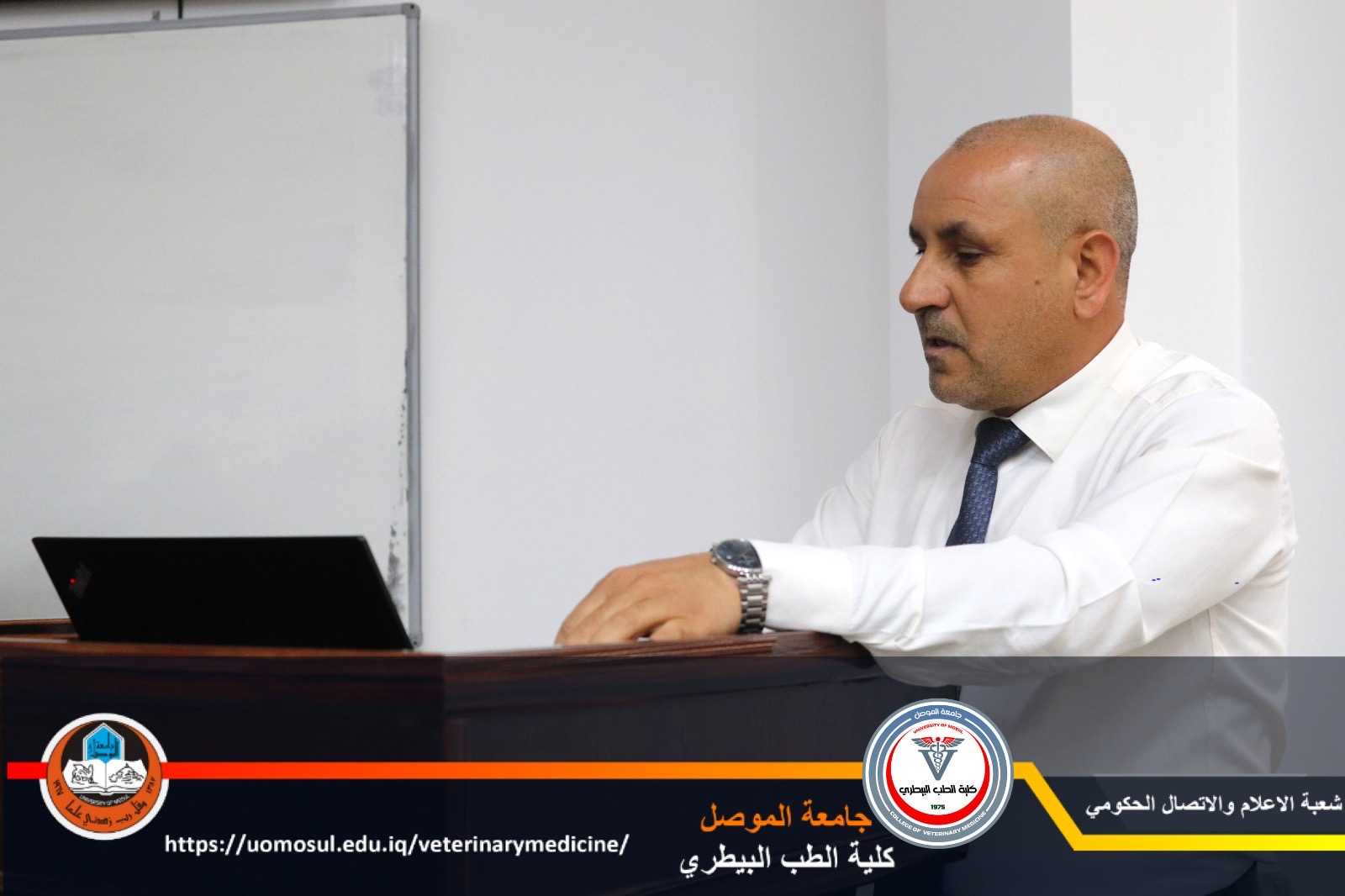
First Lecture: Professor Dr. Fannar Ablahad Ishaq – “The Causative Agent.”
Second Lecture: Assistant Professor Dr. Salam Abd Ismail – “Disease Epidemiology and Clinical Signs.”
Third Lecture: Assistant Professor Dr. Omar Ahmed Abdullah – “Control and Prevention.”
The symposium aimed to introduce hemorrhagic fever, its causes, methods of transmission, and the extent of its threat to both animals and humans. It also reviewed the most important measures for prevention, control, and treatment, given the disease’s direct impact on public health and livestock resources.
This symposium was part of a series of scientific activities through which the College seeks to promote a culture of sustainable development and enhance public health and community awareness, in line with Sustainable Development Goal 3 (Good Health and Well-Being) and Goal 4 (Quality Education).
At the conclusion of the symposium, the floor was opened for discussion, allowing attendees to ask questions and exchange scientific views regarding the disease and ways to limit its spread.