30 August، 2026
Master thesis discusses the infection with the human scabies parasite and its histological and molecular characteristics in Nineveh Governorate
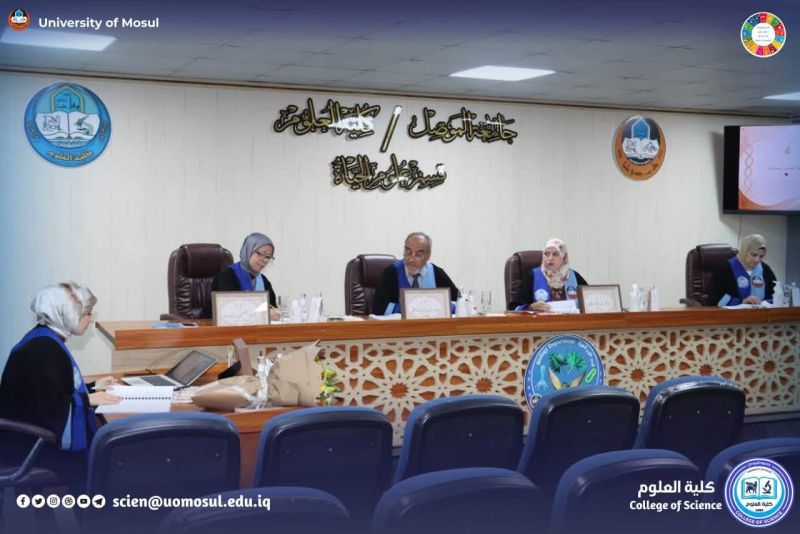
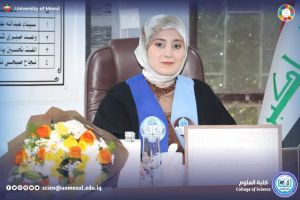
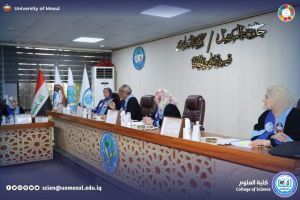
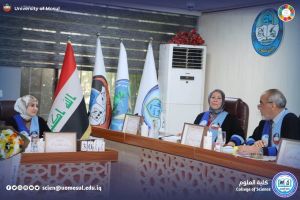
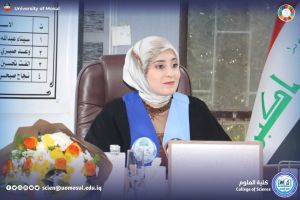
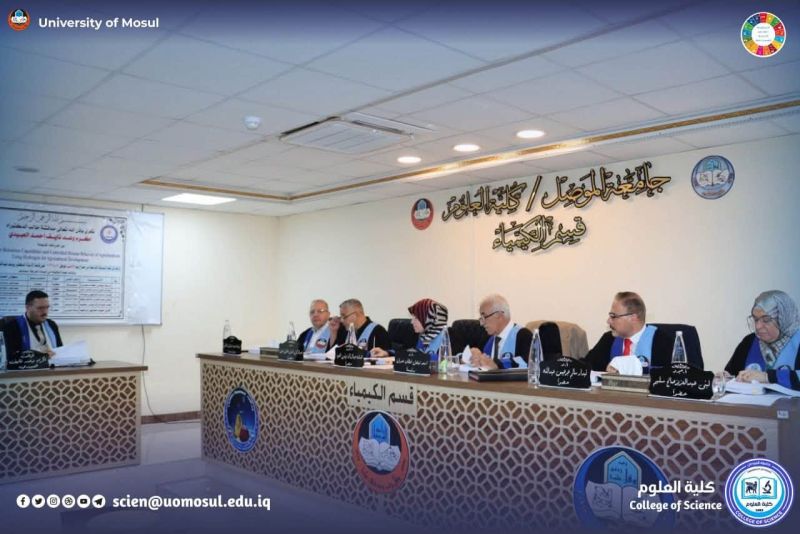
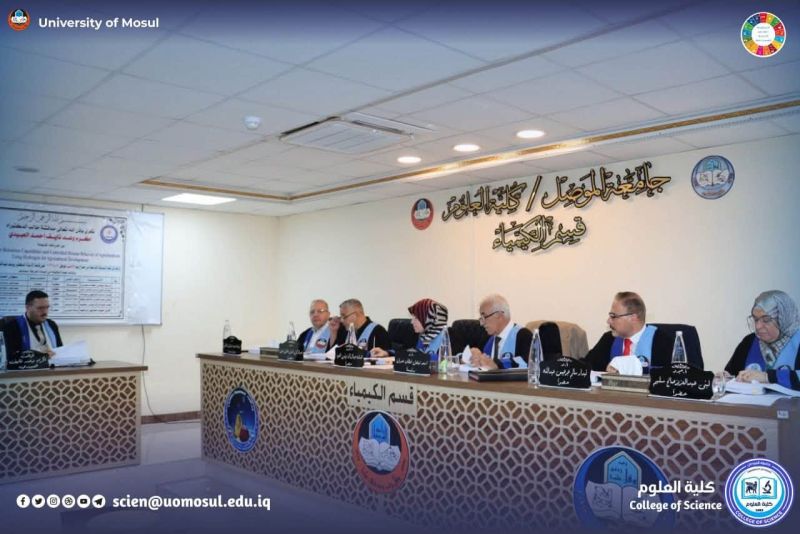
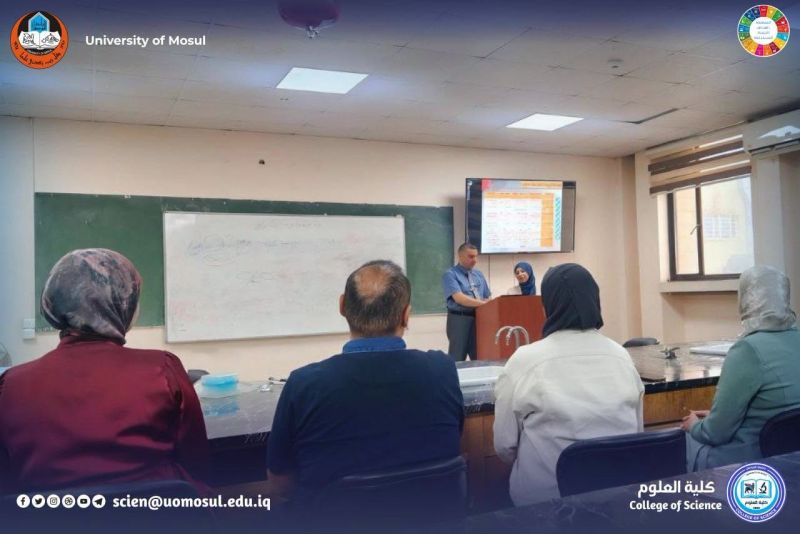
The Department of life sciences at the Faculty of science at the University of Mosul discussed the master’s thesis tagged ” molecular histological study of infection with the Sarcoptes scabiei parasite in Nineveh Governorate”, submitted by researcher Zeinab Sultan Mohammed, on Sunday, August 30, 2026. The study aimed at diagnosing the infection with Sarcoptes scabiei parasite and studying its spread in Nineveh Governorate through epidemiological, histological and molecular aspects, as well as detecting the parasite using microscopic examinations and molecular techniques based on COI gene amplification (Cytochrome c oxidase subunit I) using PCR polymerase chain reaction technology, then analyzing genetic sequences and comparing them with the global isolates recorded in the gene bank, besides studying some hematological indicators associated with infection. Epidemiological results showed that there is a difference in infection rates depending on some demographic factors, as infection rates were higher in males compared to females, and younger age groups, especially children, were more susceptible to infection. The highest infection rates were recorded in the abdominal region compared to other areas of the body, as well as the increase in infections during the winter, with higher rates recorded in urban areas compared to rural areas, in addition to there being a disparity in the distribution of infections between the regions of Nineveh Governorate. The results of Molecular Diagnostics also showed that the isolates of the study matched the Sarcoptes scabiei parasite by a percentage ranging from 99.71% to 100% compared to the isolates registered in the GenBank database, while the genetic isolates of the study were recorded under the accession numbers PZ518892, PZ518893, PZ518894, PZ518895. Evolutionary analysis, based on COI gene sequences, showed a genetic affinity between the studied isolates and the recorded global isolates, with a slight genetic divergence between some local isolates. The discussion Committee was chaired by Dr. Sinai Abdullah Ali, with the membership of assistant professor Dr. Waad Sabry Shaher and assistant professor Dr. alfat Tahsin Yassin, and under the supervision and membership of assistant professor Dr. Najah Sobhi Nayef. This study comes within the framework of the research efforts exerted by the Faculty of Science in the field of parasites, molecular diagnostics and epidemiological studies, which contributes to enhancing scientific knowledge about parasitic diseases and their spread in Nineveh Governorate. We wish our dear students continued success and success.
Government information and Communication Division
Sunday 30 August 2026