20 October، 2026
Continuing education course on techniques for extracting genomic DNA from Gram-positive and Gram-negative bacteria
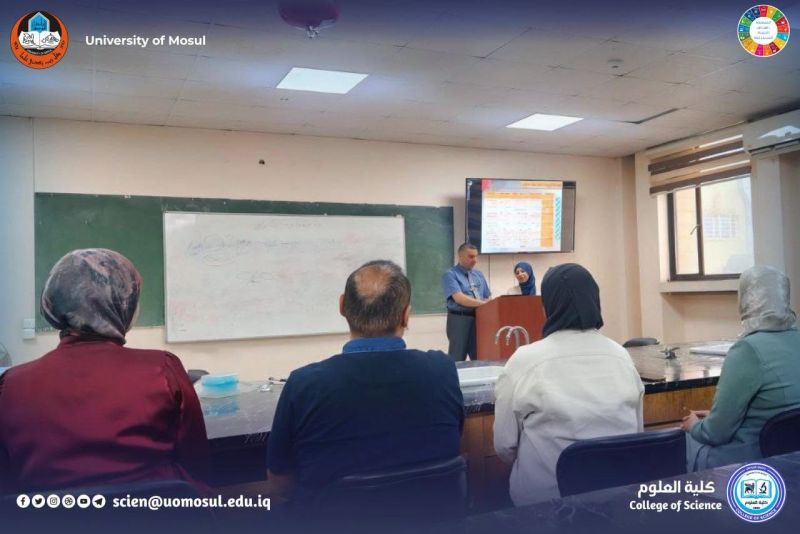
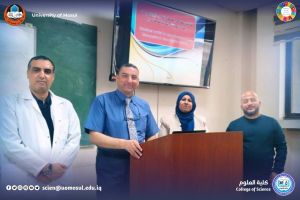
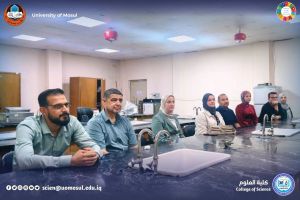
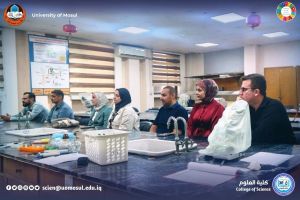
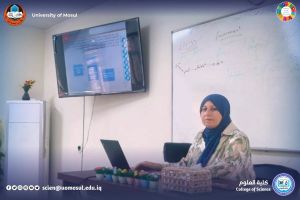
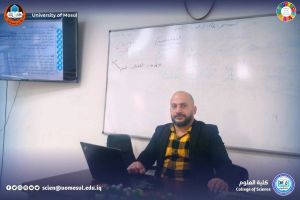
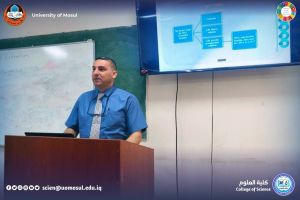
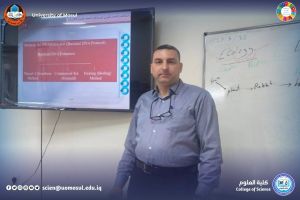
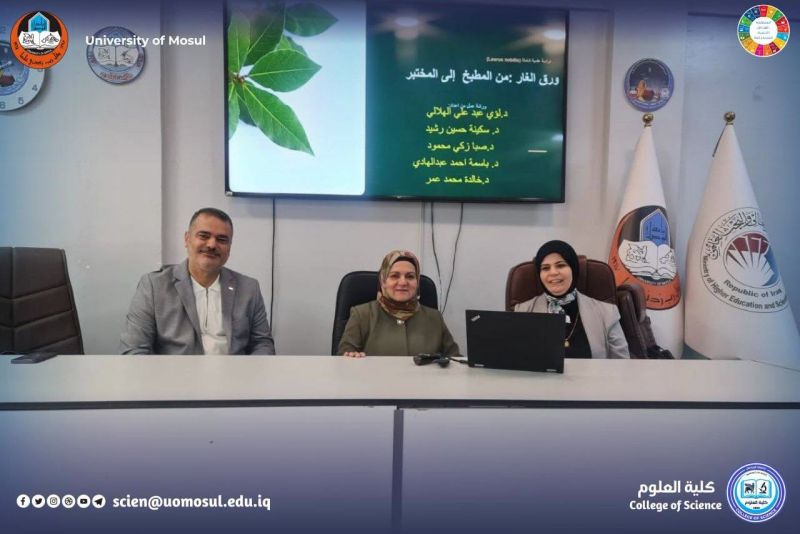
The Department of life sciences at the Faculty of science at the University of Mosul held a continuing education course entitled “techniques for extracting genomic DNA from Gram-positive and Gram-negative bacteria”, for the period from October 11 to 15, 2026, with the participation of a number of department teachers and those interested in molecular technologies. The course was attended by Professor Dr. Anmar Ahmed al-Taie, teacher Dr. Mohammed Abdul Ghani Mohammed, teacher Dr. Iman Mohammed Taher, and teacher Dr. Mohammed Abdul Razzaq Ibrahim Al-Qattan, as they dealt with a set of theoretical and applied axes related to the extraction of genomic DNA from various biological sources. The topics of the course, on its first day, included the introduction of genomic DNA and its importance in molecular applications, and the demonstration of the structural differences between Gram-positive and Gram-negative bacteria and their impact on the efficiency of DNA extraction. The second day deals with comparing different DNA sources, including bacterial, human, animal, plant, fungal and environmental samples, as well as identifying the materials used in cell decomposition and factors affecting the efficiency of extraction. The third day was devoted to discussing the main challenges facing researchers during the extraction of DNA from biological sources, methods of overcoming contaminants and inhibitors that may affect its purity and the success of subsequent molecular applications. The fourth day witnessed a review of the basic principles and steps of genomic DNA extraction, starting from cell decomposition, removal of proteins and RNA, through DNA deposition, purification and re-dissolution, with an explanation of the method of organic extraction using phenol and chloroform. The course concluded on its fifth day with an introduction to the methods of extracting bacterial DNA using commercial extraction kits (Commercial Kits) and the heating and boiling method (Boiling Method), with an explanation of the laboratory work steps and methods of preserving the extracted DNA and using it in molecular applications. The course concluded with a set of recommendations that emphasized the importance of choosing the appropriate DNA extraction method according to the nature of the sample and the cellular composition of the organism, and taking into account the differences between Gram-positive and Gram-negative bacteria when choosing cell lysis methods. She also stressed the need to remove proteins, contaminants and inhibitors to obtain high purity and quality DNA, and adhere to the correct laboratory steps to ensure the success of subsequent molecular applications, in particular polymerase chain reaction (PCR), DNA sequencing, and molecular diagnostics. This course comes within the framework of enhancing the scientific and practical skills of researchers and graduate students, and developing their expertise in genomic DNA extraction techniques, in order to support the quality of laboratory results and the efficiency of scientific research. Our wishes to the course’s organizers and participants for continued success, and to continue scientific and academic giving in a way that contributes to the service of Science and society.
Government information and Communication Division
Tuesday, October 20, 2026