25 October، 2026
Master thesis discusses the targeting of virulence factors in multi-antibiotic resistant bacteria using molecular docking
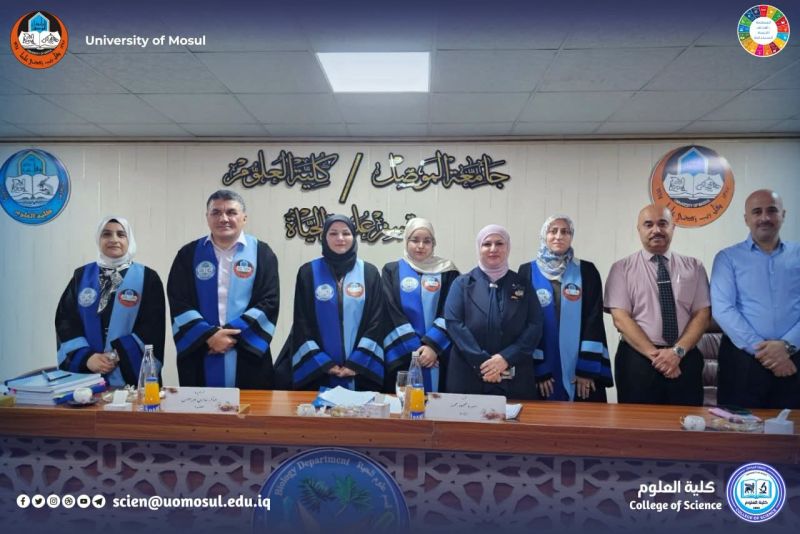
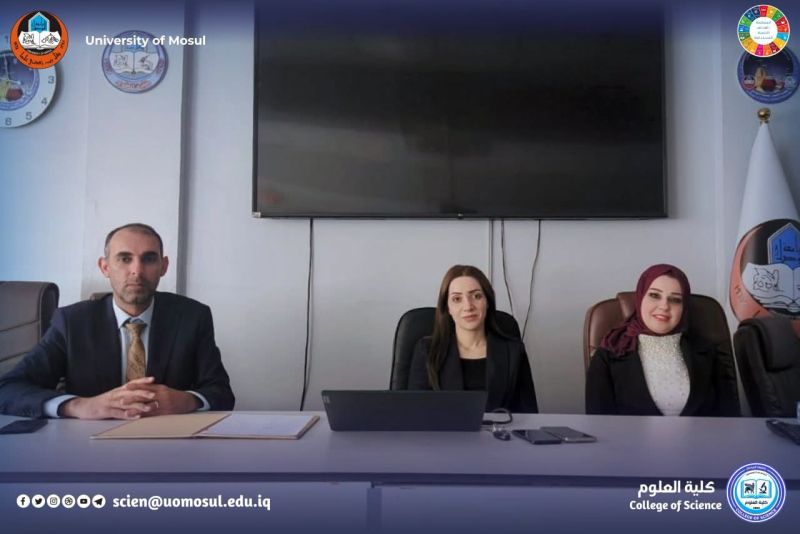
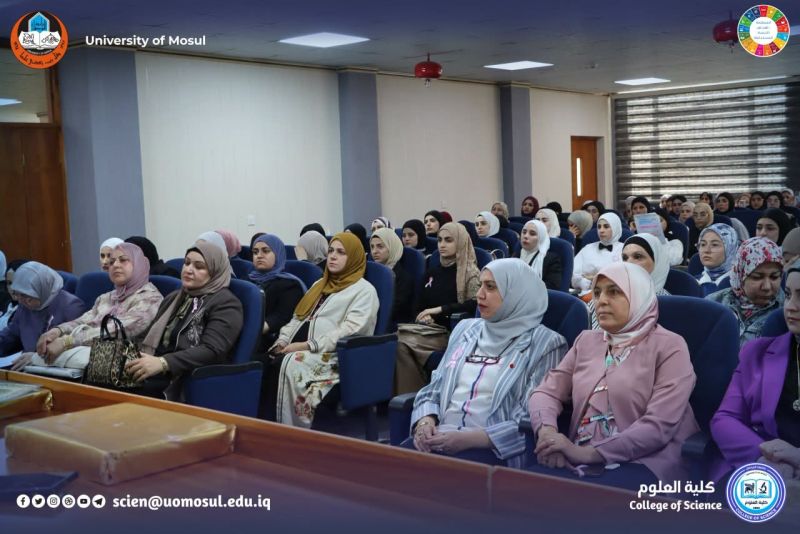
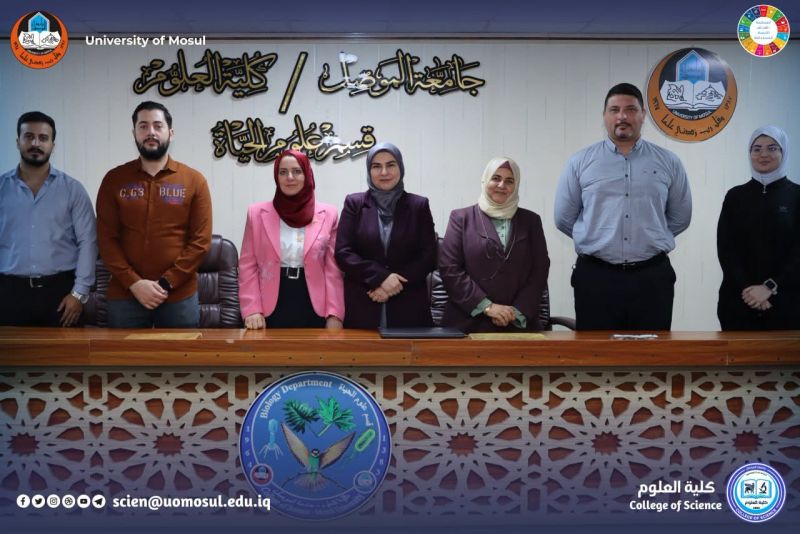
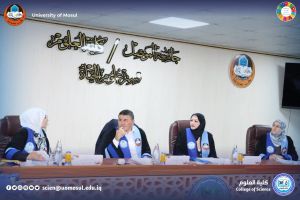
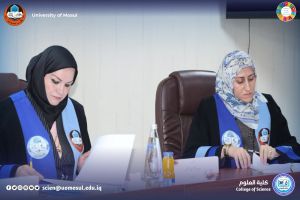
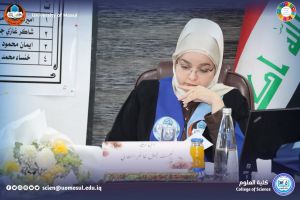
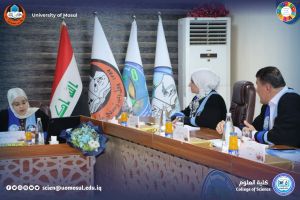
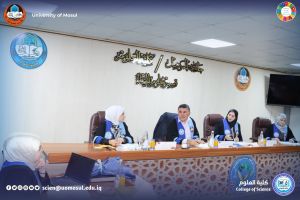
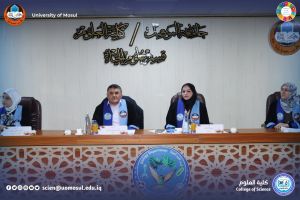
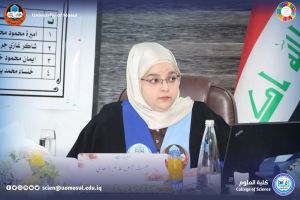
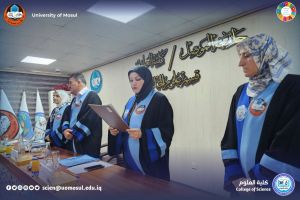
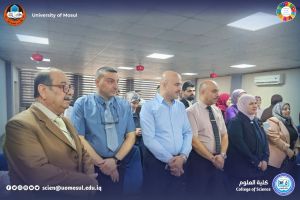
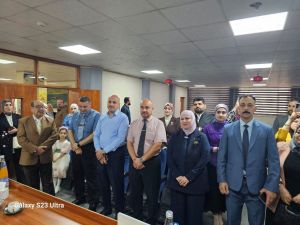
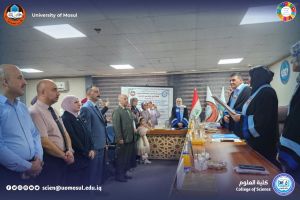
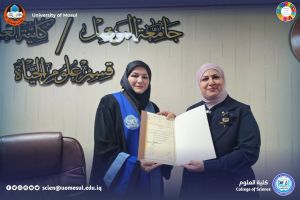
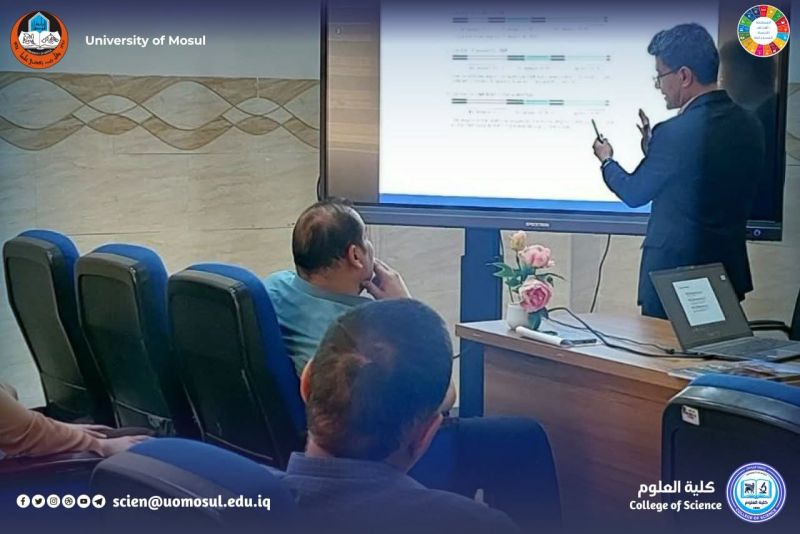
The Department of life sciences at the Faculty of science of Mosul University discussed, on Sunday, October 25, 2026, the master’s thesis submitted by the student NAMAT Nabil, from the branch of microbiology, tagged: Molecular Docking Screening of Active Molecules Targeting Quorum Sensing in Multidrug-Resistant Bacteria “Screening using molecular docking of active molecules targeted to the quorum sensing system in multi-antibiotic resistant bacteria“. The message dealt with a scientific strategy to confront multi-antibiotic resistant bacteria (MDR), in particular Klebsiella pneumoniae bacteria isolated from patients of Mosul city hospitals, by targeting virulence factors and mechanisms of cellular communication, adhesion and biofilm formation. The results of the study showed the resistance of bacterial isolates to antibiotics within ten main categories, as well as the ability of all isolates to form biofilms and contain the adhesion gene (MrkA). The results also revealed the effectiveness of trans-cinnamaldehyde and vanillin compounds in inhibiting the formation of biofilms at concentrations below the minimum inhibitory concentration, along with the effect of ulothrix SP algae extract. Pronounced changes in the bacterial mucous capsule. Analysis of the extract using the gas chromatography technique combined with mass spectrometry (GC-MS) showed the presence of 44 chemical compounds, the most prominent of which are linoleic and palmitic acids. The results of molecular docking also revealed a promising affinity of the Trans-cinnamaldehyde compound with the two proteins (LuxS and mrka), and linoleic acid with the protein (Wzc) associated with the formation of the bacterial portfolio. The study highlights the importance of combining laboratory experiments and computer analyses (In vitro & in silico) to explore natural compounds that may contribute to the weakening of bacterial virulence factors, which opens up research prospects for the development of supportive strategies to counter infections with multi-antibiotic resistant bacteria, with the need for additional studies to verify their effectiveness and safety. The results of the study are in line with a number of Sustainable Development Goals, in particular the third goal on good health and well-being, the fourth goal on quality education, the ninth goal on industry and innovation, and the twelfth goal on responsible consumption and production. The discussion committee consisted of teaching gentlemen: Prof. Dr. Amira Mahmoud Mohamed-Chairman. Associate professor Dr. Shaker Ghazi zarghis-member. Teacher Dr. Iman Mahmoud Khader-member. Assistant professor Dr. Khansa Muhammad Yunus-member and supervisor. At the end of the discussion, the dean of the Faculty of Science presented a letter of thanks and appreciation to Professor Dr. Amira Mahmoud Mohammed Al-Rawi from Al-Hadba University, in appreciation of her scientific participation in the discussion of the thesis. We wish the student success in her scientific career, and further progress and achievement in the field of scientific research.
Government information and Communication Division
Sunday, October 25, 2026

 The Department of medical physics at the Faculty of science holds a scientific seminar on the applications of criminal DNA