3 November، 2026
Scientific workshop on the internal systems of electric and hybrid cars
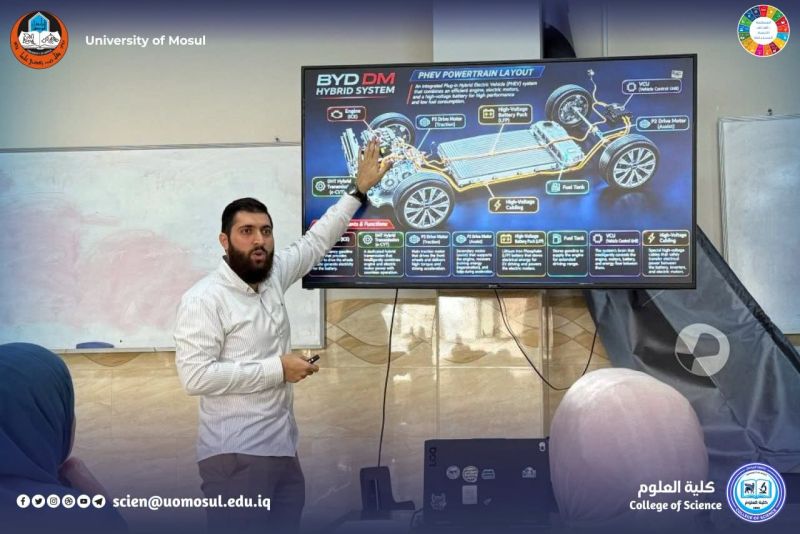
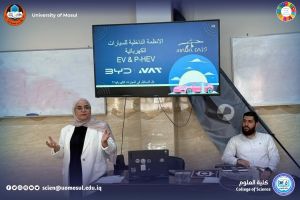
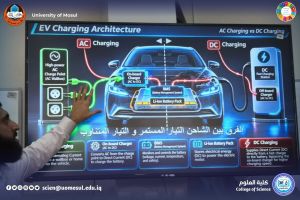
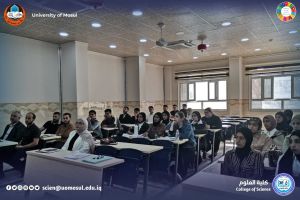
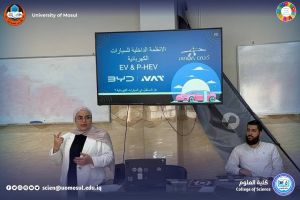
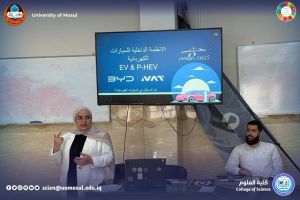
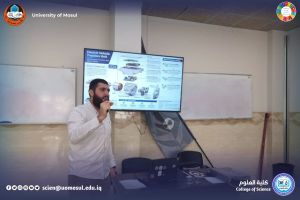
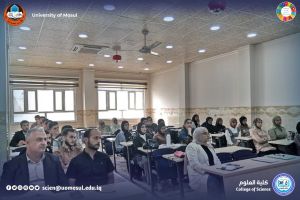
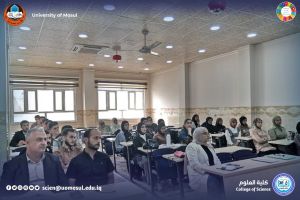
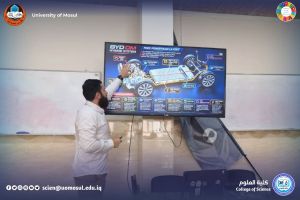
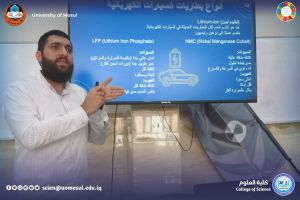
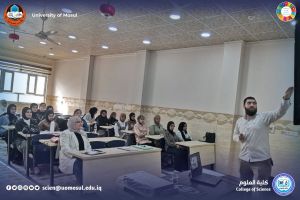
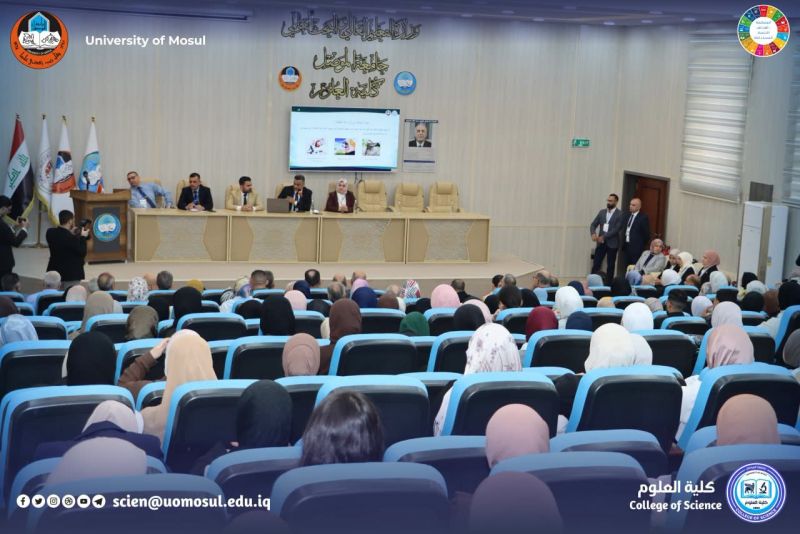
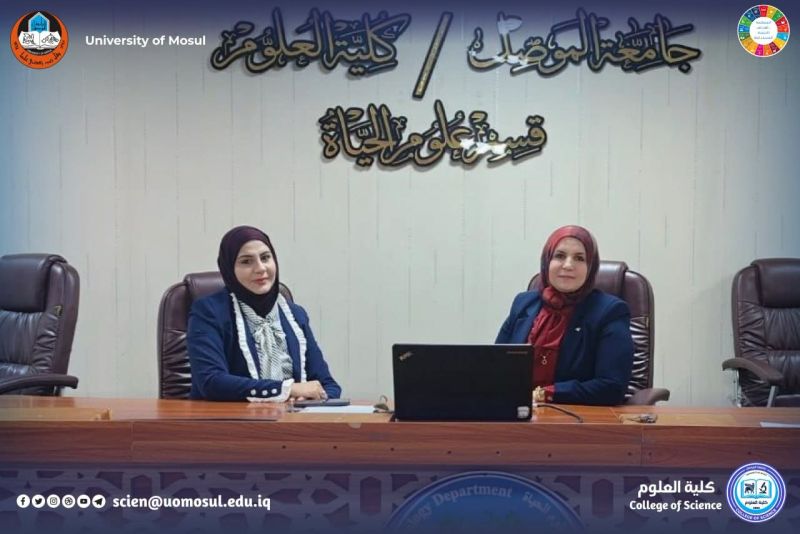
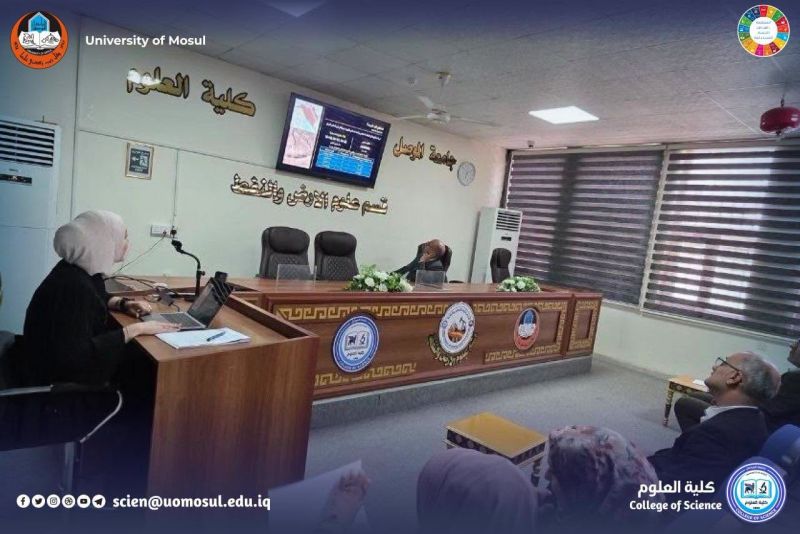
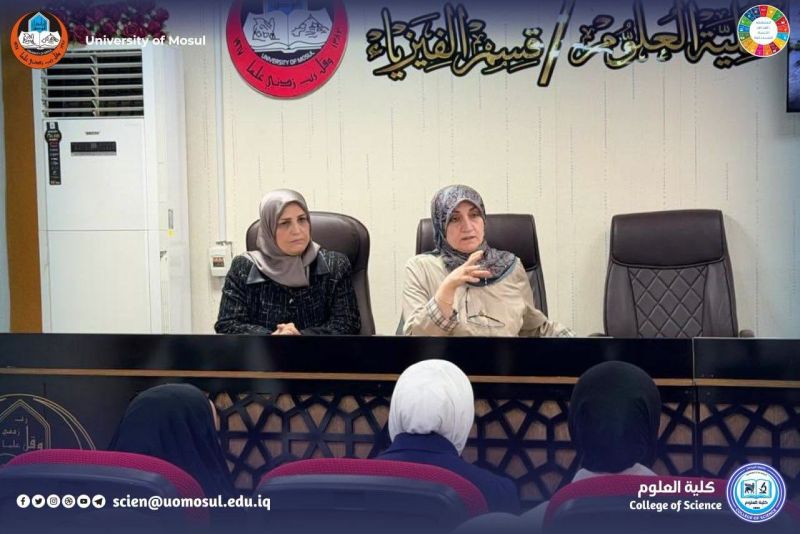
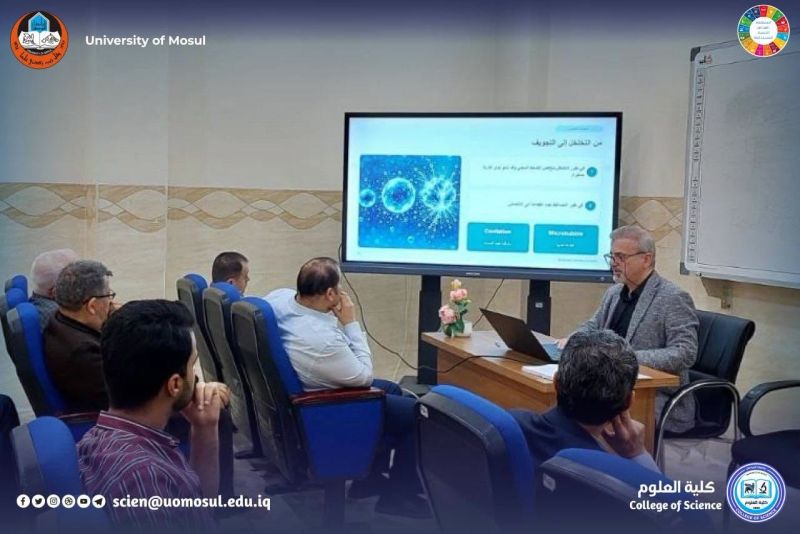
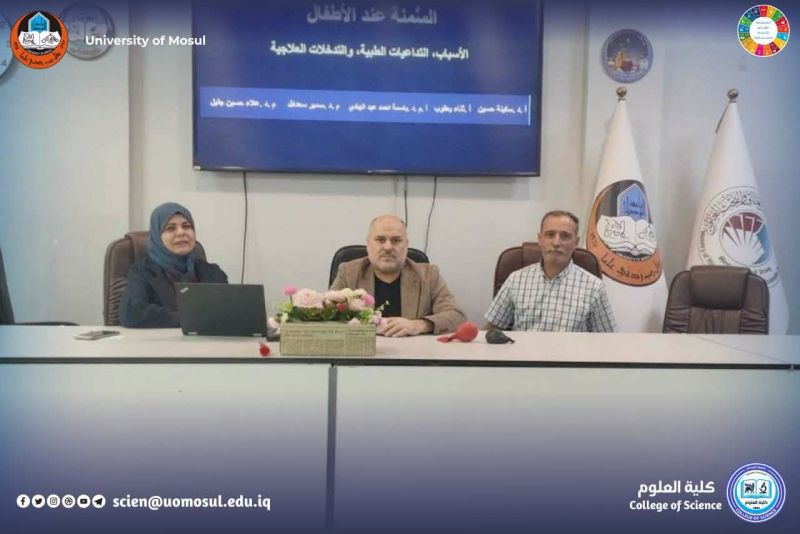
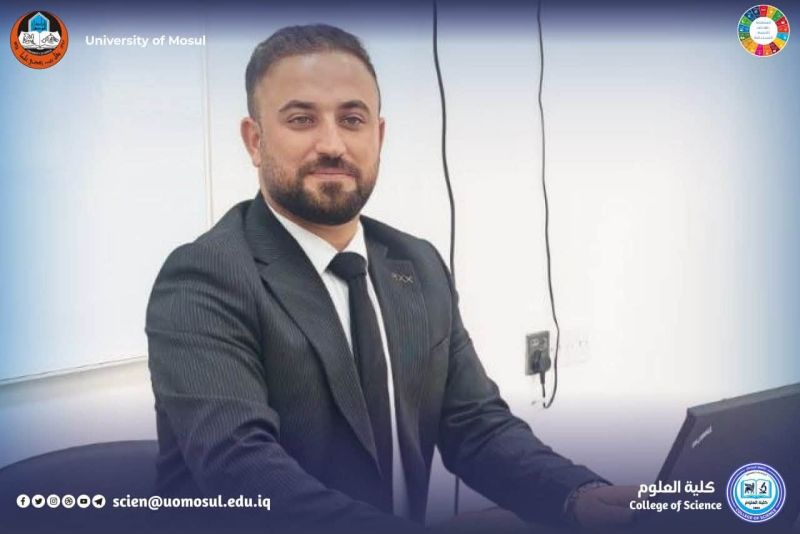
As part of the continuing education activities, the Department of new and renewable energies at the Faculty of science at the University of Mosul, on Tuesday morning, November 3, 2026, held a scientific workshop entitled “internal systems for electric cars”, in the Hall of the second phase of the department, in the presence of a number of faculty teachers and students. The workshop was presented by the teaching assistant in the new and renewable energies Department, Assistant Teacher Buraq Mohammed said Zebari, engineer Mohammed Saad al-Nuaimi, ambassador of BYD NAT in Iraq, content creator and expert in the field of electric cars, electronics engineer specializing in research and development, and director of renewable energy projects at Infinity crane power, a subsidiary of modern Hadba company. The workshop aimed to introduce the accelerated developments in the electric and hybrid car industry, and highlight the global shift towards sustainable means of transport, and its role in reducing emissions and improving energy efficiency. The workshop included an explanation of the basic components of electric cars, including lithium batteries, electric motors, inverters, vehicle control units (VCUS), battery management systems (BMS), as well as cooling and temperature control systems. It also dealt with the types of electric motors, speed and torque control mechanisms, and the regenerative Braking principle, which makes it possible to restore part of the energy during braking and return it to the battery. The workshop reviewed the types of hybrid cars, including (MHEV, HEV, PHEV and REEV), the mechanism of operation of each of them, in addition to (BYD DM-i) technologies and their features in achieving high operational efficiency. She also touched upon the types of lithium-ion batteries (NMC and LFP), their characteristics in terms of energy density, safety and service life, as well as alternating current (AC) and direct current (DC) charging technologies, types of charging handles and terminals and their capabilities. At the end of the workshop, future job opportunities were highlighted in the field of maintenance and diagnostics of electric and hybrid cars, programming control systems and battery management, and converting conventional cars to electric. This workshop comes within the efforts of the Department of new and renewable energies to enhance scientific and applied knowledge among students, link academic aspects with modern industrial and technological developments, and keep pace with the transformation towards the future of electric transport and sustainable energy. We wish our esteemed employees and dear students continued success, and more giving and excellence in their scientific and practical career.
Government information and Communication Division
Tuesday, November 3, 2026