8 November، 2026
Master thesis discusses the impact of drugs for chronic diseases on the virulence of intestinal bacteria and their resistance to antibiotics
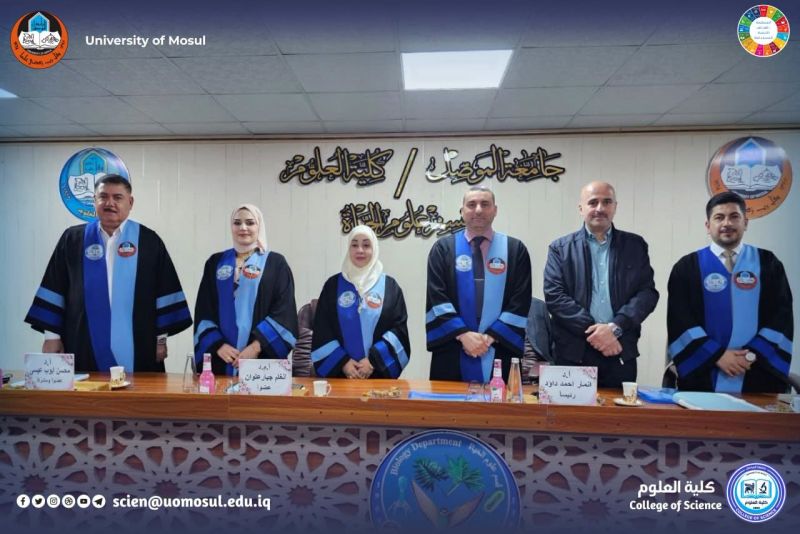
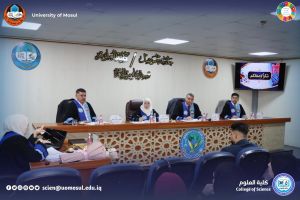
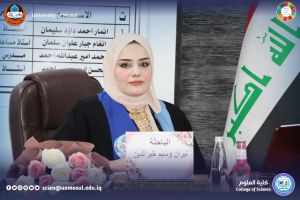
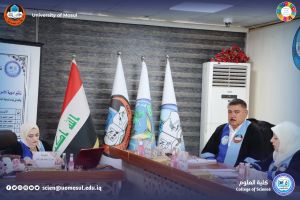
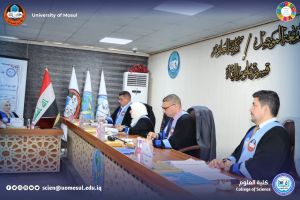
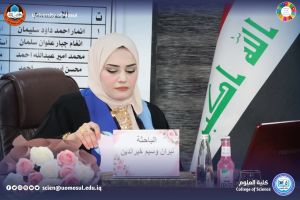
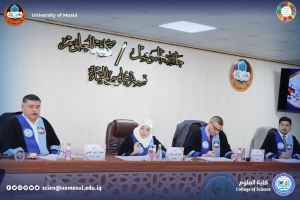
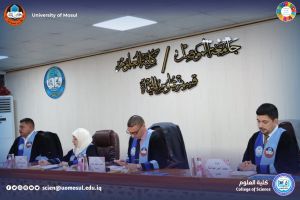
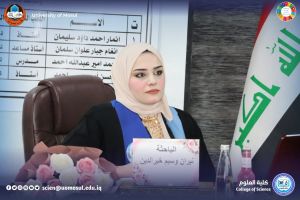
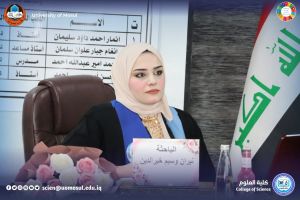
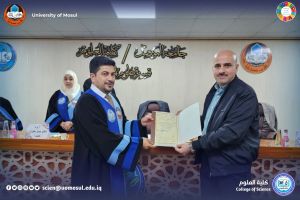
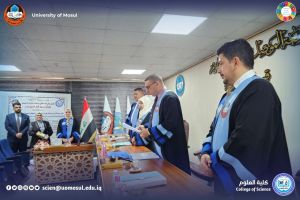
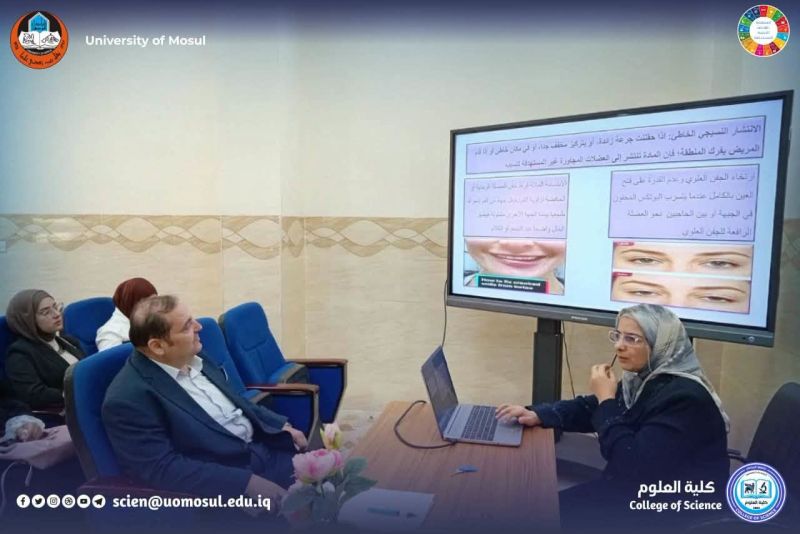
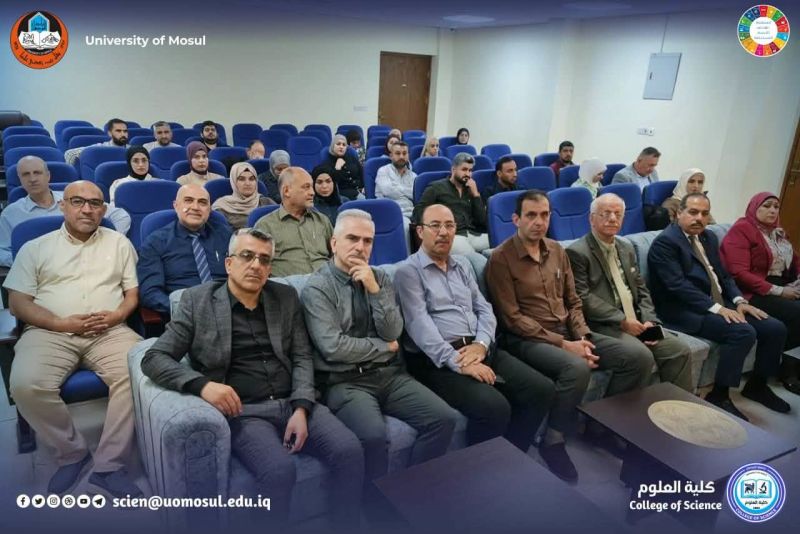
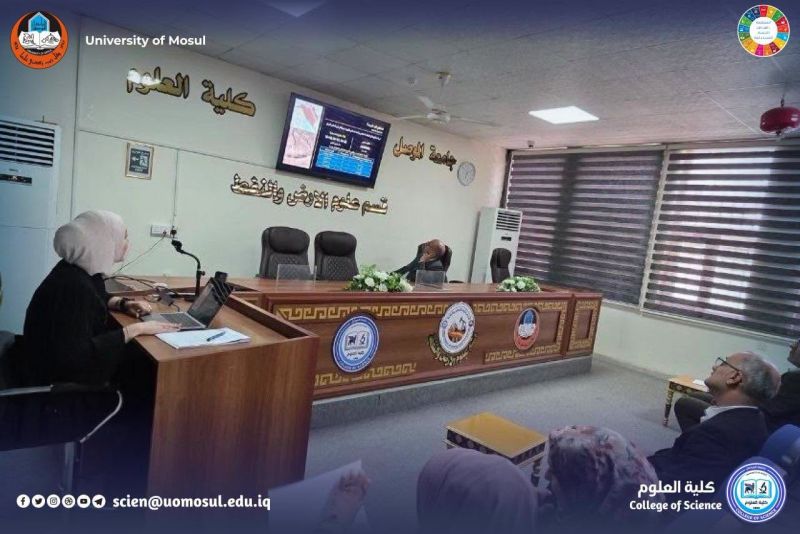
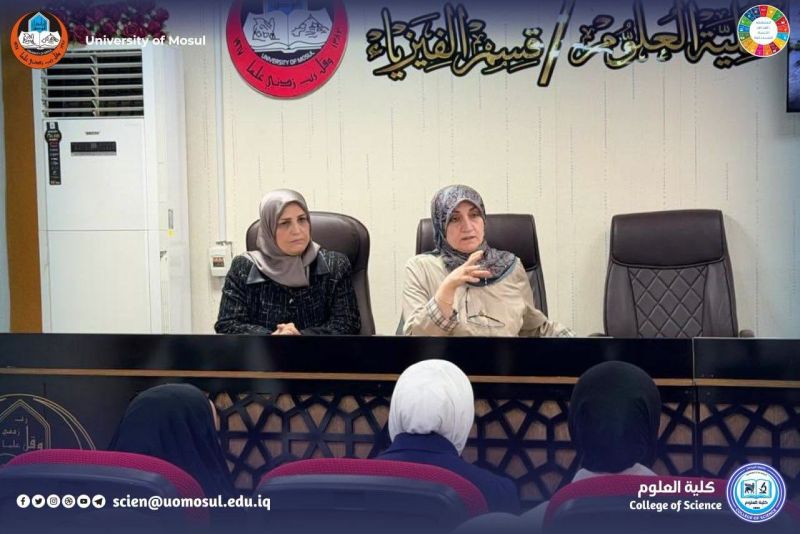
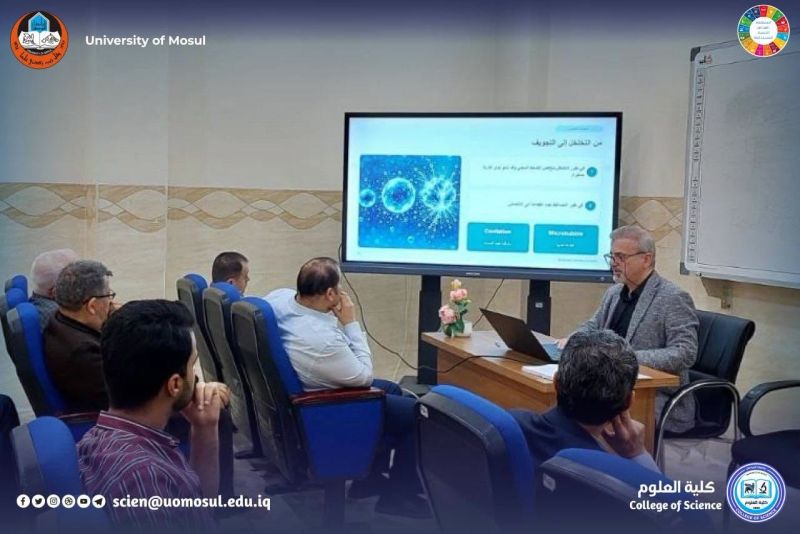
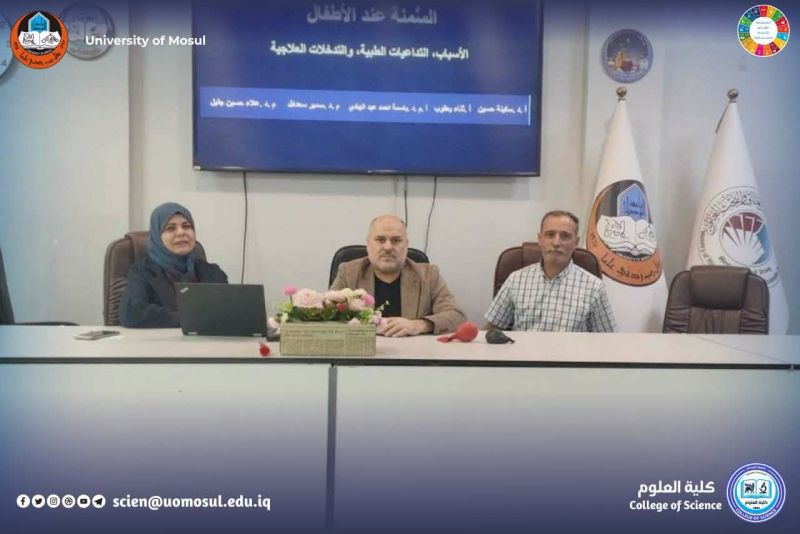
The Department of life sciences at the Faculty of science at the University of Mosul discussed the master’s thesis tagged “the impact of drugs for chronic diseases on the virulence and resistance of intestinal bacteria to antibiotics,” submitted by student Niran Wasim Khairuddin. The aim of the dissertation was to evaluate the effect of drugs for chronic diseases of various origins, used in the treatment of diabetes mellitus, hypertension and chronic arthritis, in Escherichia coli bacteria as a model of intestinal bacterial flora, by studying their phenotypic and molecular effects in virulence factors, represented by adhesion and the formation of biofilms, as well as their effect on the mechanisms of antibiotic resistance. The results of the study showed that the patterns of resistance of bacterial isolates isolated from patients with the studied chronic diseases to antibiotics differed, while most drugs for chronic diseases did not show a direct inhibitory effect towards them, with the exception of Metformin and amlodipine. The results also revealed the existence of different synergistic and antagonistic interactions between chronic drugs and antibiotics towards bacterial isolates. The study showed that treatment with concentrations below the minimum inhibitory concentration (Sub-MIC) of the drugs Metformin and amlodipine contributed to reducing the resistance of isolates to antibiotics, a number of which switched from the resistance pattern to allergies, as well as reducing the production of the enzyme β-lactase and the activity of efflux pumps. The tested drugs also showed a pronounced ability to inhibit the formation of biofilms, and Metformin, candesartan and diclofenac Potassiumwere the most effective among the groups of drugs for each disease. Treatment with the tested drugs also generally reduced the gene expression of the FimH adhesion gene, indicating the possibility of its influence on the ability of bacteria to adhere and colonize. The results of the study indicate that the effect of some drugs for chronic diseases may go beyond their traditional therapeutic goals to include the effect on the intestinal microflora, in particular by modifying its antibiotic resistance patterns and mechanisms, and influencing virulence factors associated with adhesion and the formation of biofilms, with these effects depending on the type of drug, its origin and the nature of bacterial isolation. The discussion Committee was chaired by Dr. Anmar Ahmed Daoud, with the membership of assistant professor Dr. Angham Jabbar Alwan, teacher Dr. Mohammed Amir Abdullah, and under the supervision and membership of Professor Dr. Mohsen Ayoub Issa. On behalf of the dean of the Faculty of science, professor Dr. Hiam Adel Ibrahim, the head of the Department of life sciences, professor Dr. Amjad Abdul Hadi Mohammed, presented a letter of thanks and appreciation to the teacher, Dr. Mohammed Amir Abdullah, in appreciation of his scientific efforts and participation in the master’s thesis discussion Committee, and in appreciation of his giving and contributions to support the scientific and academic career. We wish our dear students continued success and success, and achieve more excellence and excellence in their scientific and research career, and continue giving and creativity to contribute to community service and raise the name of our college and our prestigious university.
Government information and Communication Division
Monday, November 9, 2026