16 November، 2026
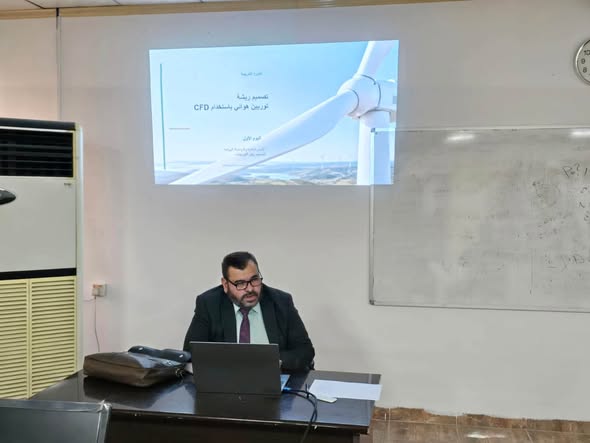
Department of Mechanical Engineering Organizes a Training Course on the Design and Optimization of Wind Turbine Blades Using Computational Fluid Dynamics (CFD)
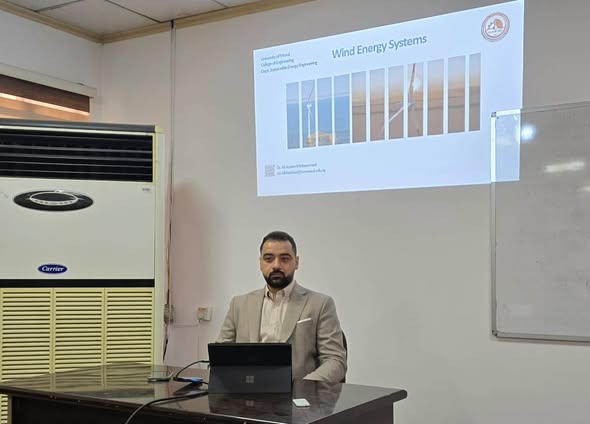
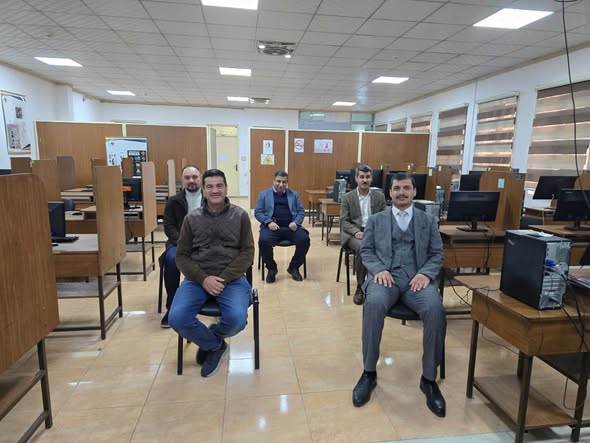
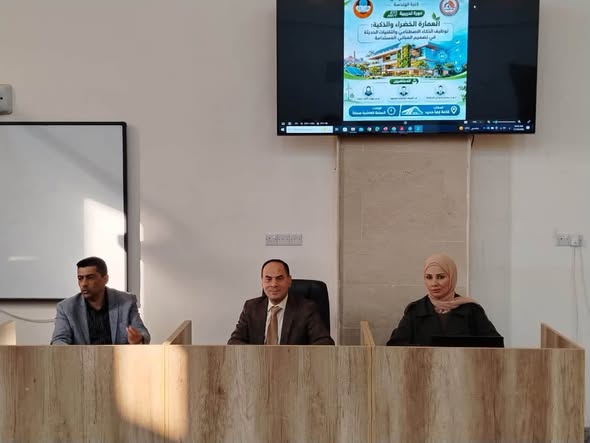
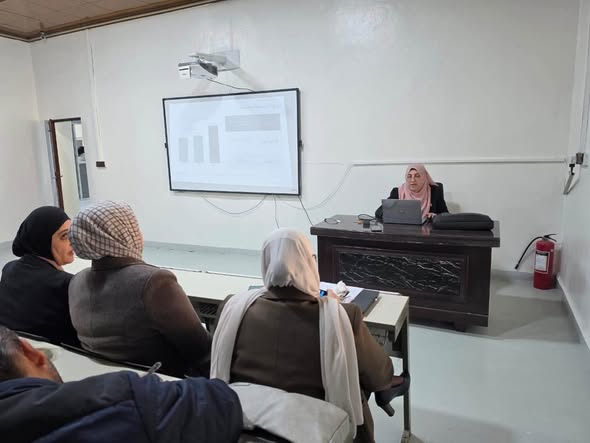
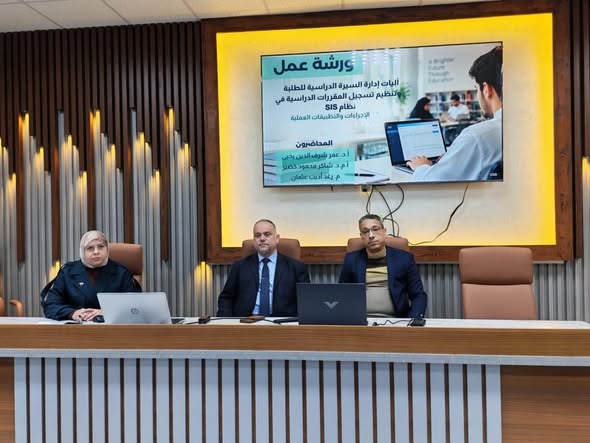
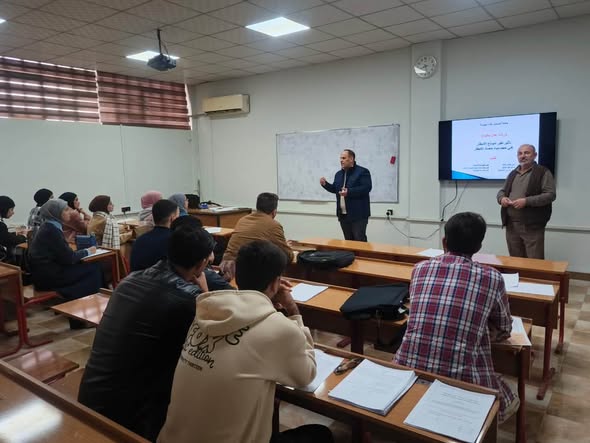
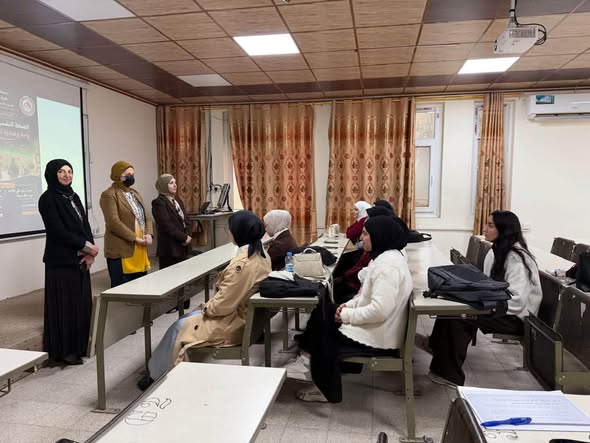
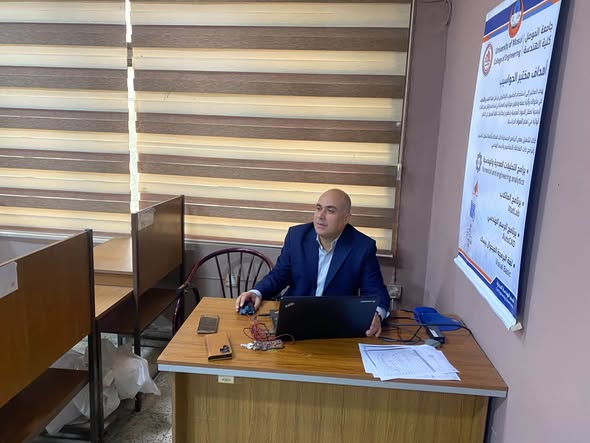
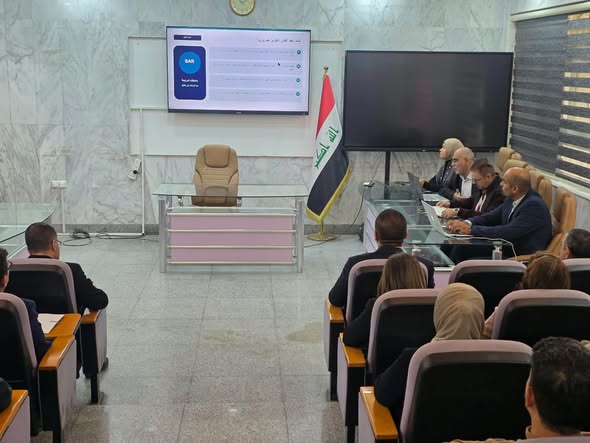
As part of the scientific activities of College of Engineering at University of Mosul and its commitment to achieving the Sustainable Development Goals (SDGs), particularly Goal 4 (Quality Education), Goal 7 (Affordable and Clean Energy), Goal 9 (Industry, Innovation and Infrastructure), Goal 11 (Sustainable Cities and Communities), and Goal 13 (Climate Action), Department of Mechanical Engineering organized a free scientific training course for the college’s academic and administrative staff entitled “Design and Optimization of Wind Turbine Blades Using Computational Fluid Dynamics (CFD).” The course was held from November 15 to 19, 2026.
The course was conducted under the supervision of Assist. Prof. Maan Saadaldeen Al-Dabbagh, with participation of the following lecturers: Assist. Prof. Dr. Saddam Atiya Mohammed, Assist. Prof. Dr. Ali Azam Mohammed, Lecturer Yasser Shukur Mahmood, and Lecturer Noor Aldeen Saleh Khudur.
The course aimed to enhance participants’ scientific knowledge and technical skills in designing wind turbine blades and optimizing their performance. It covered the fundamental concepts and aerodynamic principles of blade design, the principles of converting wind energy into mechanical energy, and methods for selecting suitable aerodynamic profiles, determining geometric dimensions, and developing three-dimensional models. It also addressed computational modeling, mesh generation, conducting simulations using Computational Fluid Dynamics (CFD), and analyzing aerodynamic results to achieve optimal blade designs.
The course concluded with an assessment test to evaluate participants’ understanding and measure the extent to which they benefited from the scientific and practical topics covered in the training program.
This course contributes to supporting continuing education and professional training, promoting the adoption of renewable energy sources, and developing engineering and research capabilities in innovation and sustainable design. It also raises awareness of the importance of modern technologies in addressing climate change and achieving sustainable development.