15 February، 2026
DNA Extraction and Its Diagnostic Applications Highlighted in a Scientific Workshop at the College of Science
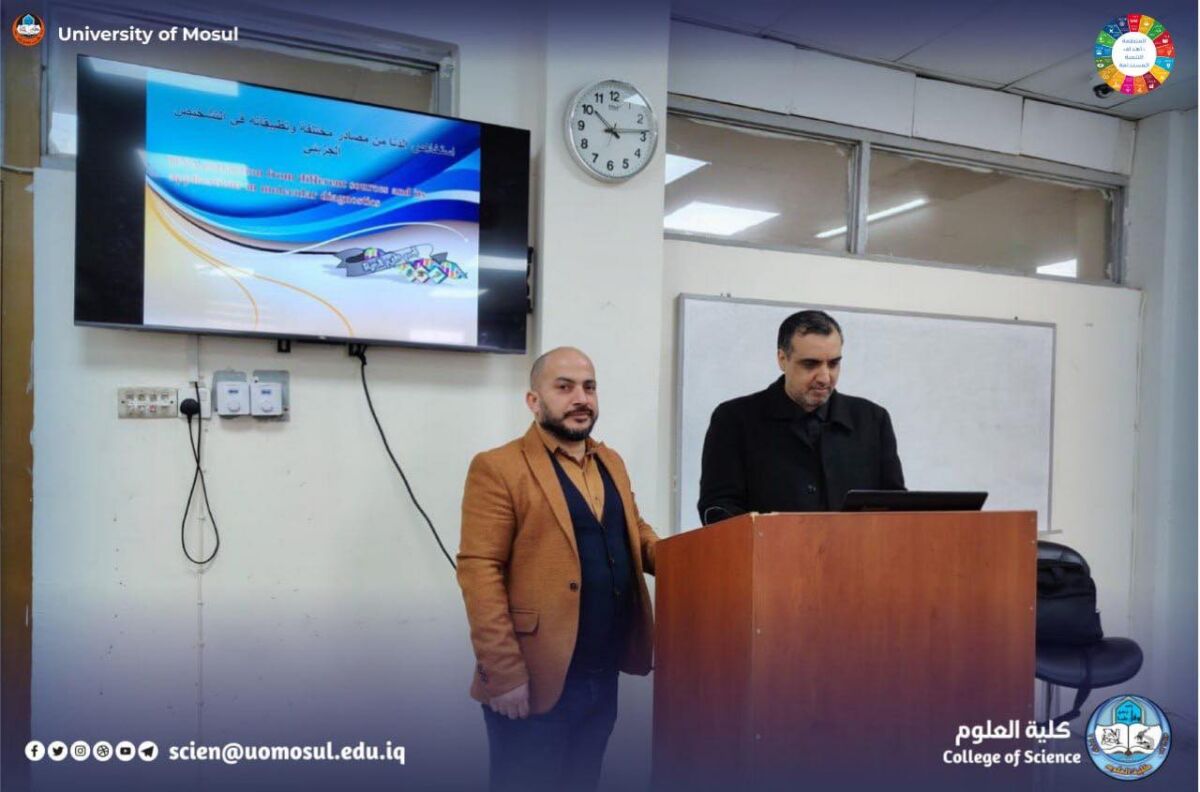
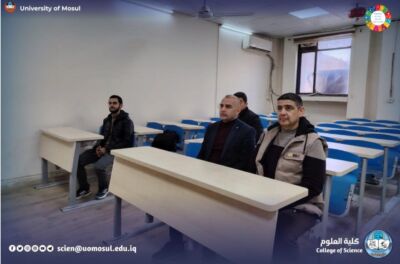
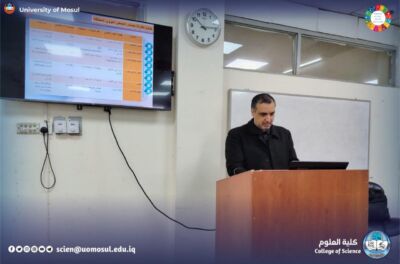
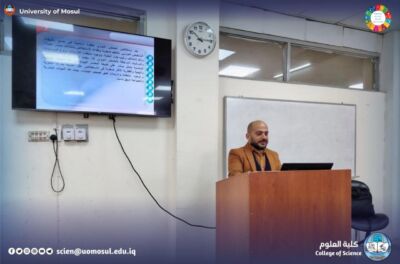
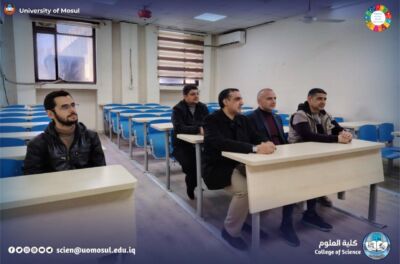
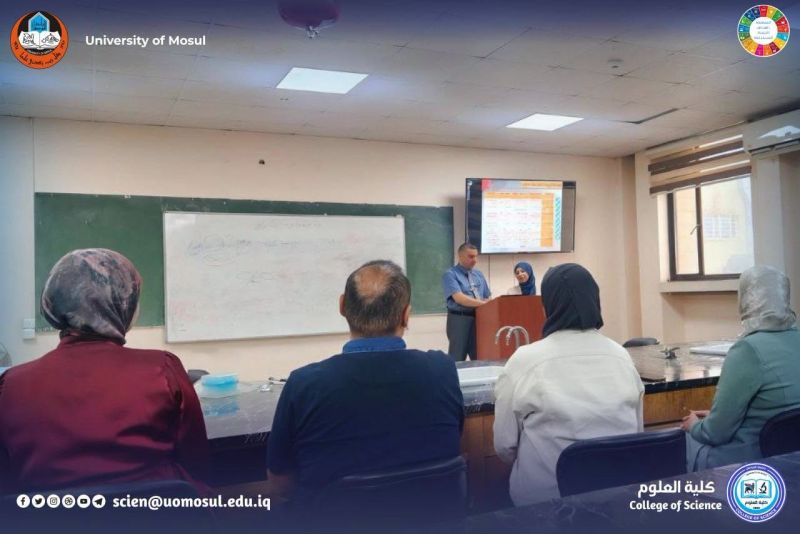
Under the patronage of the President of the University of Mosul, Professor Wahid Mahmoud Al-Ibrahimi, and under the supervision of the Dean of the College of Science, Professor Hiyam Adel Ibrahim, with the follow-up of the Head of the Department of Biological Sciences, Professor Amjad Abdulhadi Mohammed, the Department of Biological Sciences organized a scientific workshop entitled “DNA Extraction from Different Sources and Its Applications in Molecular Diagnosis” on Thursday, 12 February 2026, as part of its Continuing Education Program activities.
The workshop addressed the scientific fundamentals of deoxyribonucleic acid (DNA) structure and the various methods used for its extraction from multiple sources, including blood, tissues, bacteria, plants, and environmental samples. It also highlighted the challenges associated with different sample types and reviewed the most common extraction methods, including organic extraction using phenol and chloroform, as well as commercial kit-based techniques, outlining the advantages of each approach in research and diagnostic applications.
In addition, the workshop shed light on the major applications of DNA in the field of molecular diagnostics, including the detection of microorganisms using Polymerase Chain Reaction (PCR) technology, the diagnosis of genetic disorders, the identification of antibiotic resistance genes, and genome analysis applications in medical and environmental studies. These applications play a vital role in improving the accuracy and speed of diagnostic procedures.
Participants emphasized the importance of strengthening practical training opportunities for researchers and students, upgrading laboratory facilities with modern technologies, and expanding cooperation between academic institutions and healthcare centers to support early diagnosis and enhance the quality of scientific research.
The workshop aligns with the United Nations Sustainable Development Goals (SDGs), particularly Goal 3 (Good Health and Well-being) through supporting accurate and early diagnosis; Goal 4 (Quality Education) by promoting continuing education and scientific capacity building; Goal 9 (Industry, Innovation and Infrastructure) through the application of modern molecular diagnostic technologies; and Goal 17 (Partnerships for the Goals) by encouraging collaboration between academic institutions and the healthcare sector.
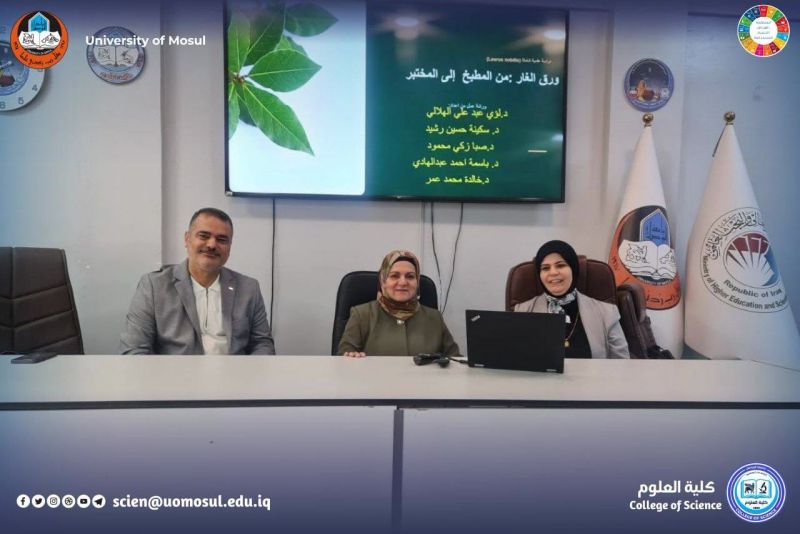
The workshop was delivered by Lecturer Dr. Mohammed Abdul Razzaq Ibrahim Al-Qattan, Lecturer Dr. Mohammed Abdul Ghani Mohammed, and Lecturer Dr. Mohammed Mahdi Saleh, and was attended by a distinguished group of university academics and interested participants.
We extend our best wishes to our scientific staff for continued success and excellence, and for their ongoing contributions to serving society and advancing the scientific research mission of the University.
Media and Government Communication Division
Sunday, 15 February 2026