24 August، 2026
Master thesis discusses the therapeutic ability of phages
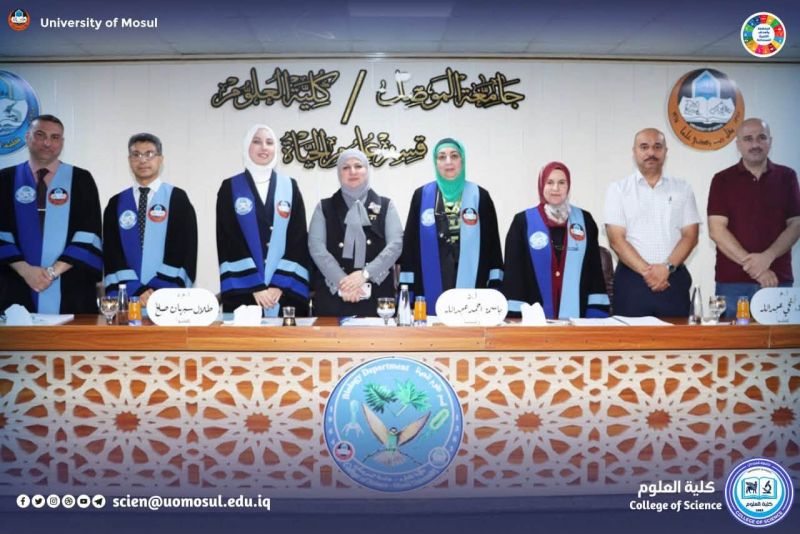
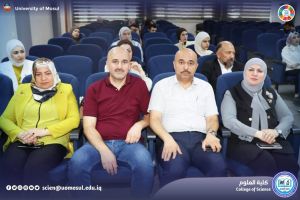
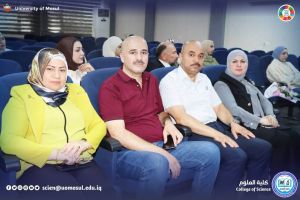
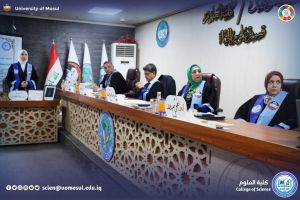
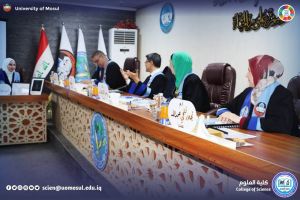
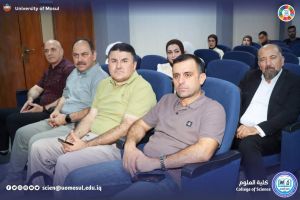
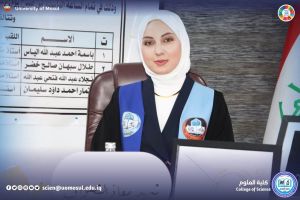
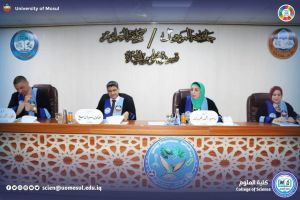
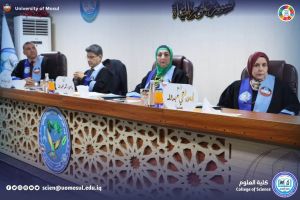
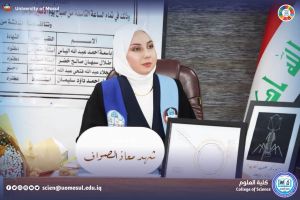
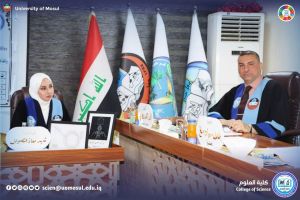
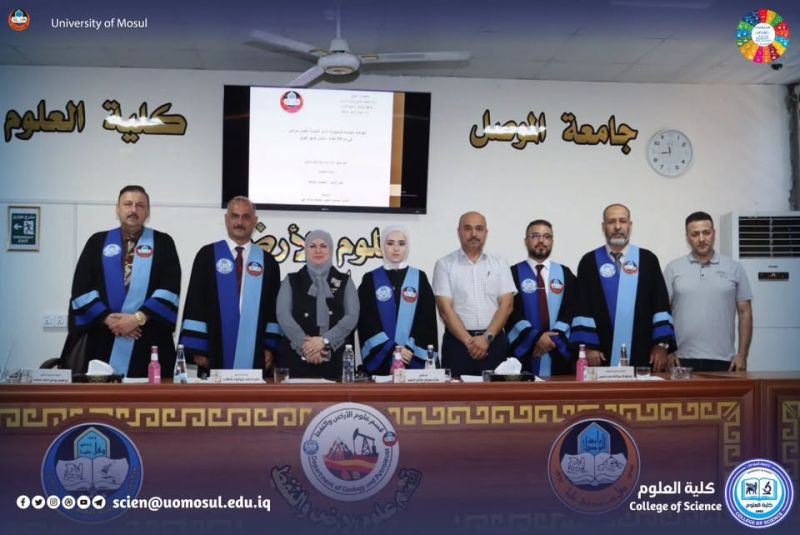
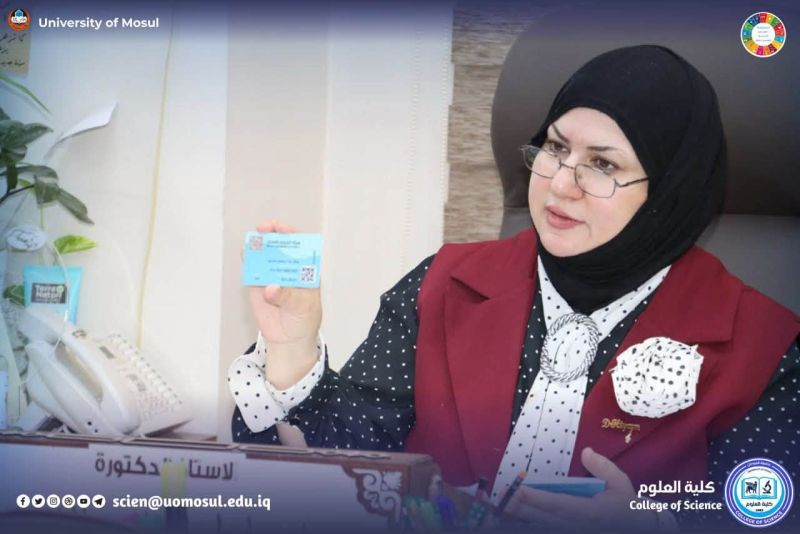
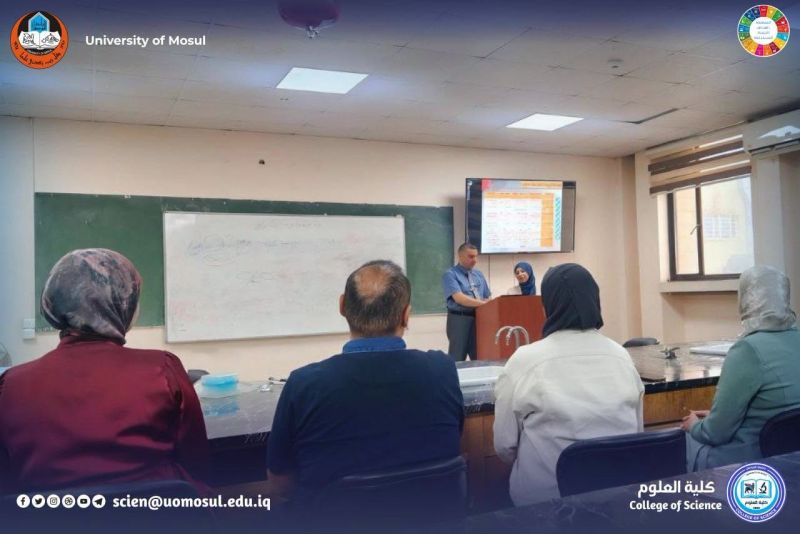
The Department of life sciences at the Faculty of science at the University of Mosul discussed the master’s thesis”molecular characterization of bacteriophages with potential therapeutic potential against Gram-positive bacteria isolated from Mosul city hospitals”, on Monday, August 24, 2026, part of which was attended by the dean of the Faculty of science, professor Dr. Hiam Adel Ibrahim, the Scientific Assistant, the head of the department and some of the graduate students. The study submitted by the researcher Shahd Moaz Akram Ali aimed at isolating and diagnosing various types of Gram-positive bacteria from clinical samples collected from patients in Mosul, including burns, wounds, pus, oral cavity and throat swabs, using preliminary tests based on Gram Stain, selective Culture Media and traditional biochemical tests, then confirming the diagnosis by VITEK 2 system and genetic sequencing technology, as well as studying the sensitivity of isolates to antibiotics, isolating specialized bacterial phages infecting them, studying their molecular characteristics and genomic. The diagnostic results showed that out of 150 clinical samples, 85 samples (56.67%) recorded gram-positive bacterial growth, hemolytic Staphylococcus haemolyticus was the most common, followed by Staphylococcus aureus Staphylococcus aureus and then Staphylococcus epidermidis epidermidis, along with other types of sexual streptococci, enterococci and bacilli Bacillus subtilis. An antibiotic sensitivity test also showed that isolates of S. haemolyticus and S. aureus possesses a pattern of multiple antibiotic resistance, with confirmation of its resistance to methicillin (MRSH and MRSA, respectively), as well as resistance to a number of other antibiotics such as aminoglycosides and erythromycin, and with regard to bacterial phages, the results showed the presence of phagolytic activity towards *S. haemolyticus * only, while no clear activity towards *S has been recorded. aureus* and * S. epidermidis* or other tested species. Molecular detection also showed the presence of the DFRG gene and its association with the phage-CDS region, which supports the presence of latent mild phage embedded within the bacterial genome. A complete genome analysis confirmed the isolation of *S. haemolyticus * using Shotgun sequencing and PHASTEST analysis, an incomplete Prophage region with a length of 15.8 kilobases contained 17 protein–coding sequences, including genes encoding tail, capsid and Holin proteins, with high similarity ratios ranging from 70.35-100% with phage proteins registered in the GenBank database. These results indicate the presence of an embedded and incomplete moderate phage in the *S genome. haemolyticus*, which may have a role in the change and genetic adaptation of bacteria, and possibly in the regulation of certain virulence and antibiotic resistance qualities. The discussion Committee was chaired by the experienced professor Dr. Basma Ahmed Abdullah Elias, and the membership of assistant professor Dr. Talal Sabhan Saleh Khader, assistant professor Dr. Nagla Abdullah Fathi Abdullah, and under the supervision of Professor Dr. Anmar Ahmed Daoud Suleiman. Our wishes to the students and teachers of our college continued success and repayment
Government information and Communication Division
Monday, August 24, 2026