17 October، 2026
The Department of Chemistry at the Faculty of science holds a scientific workshop on sugar substitutes and sweeteners between the benefits and risks
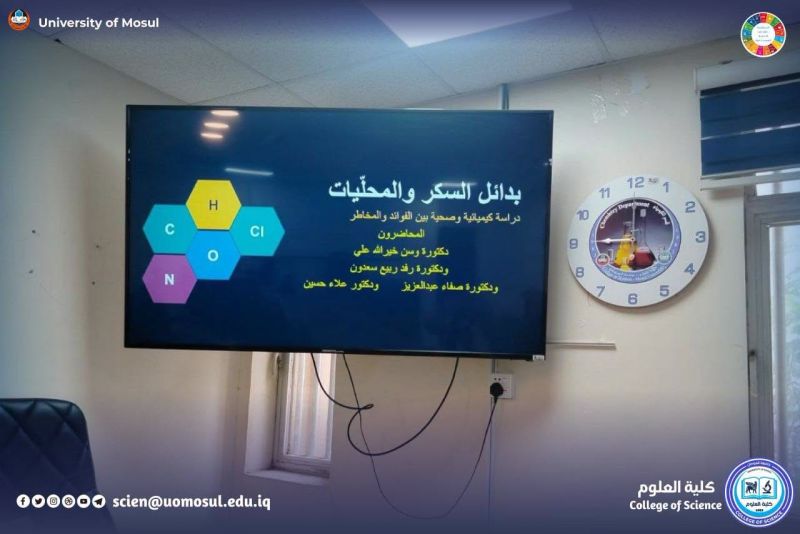
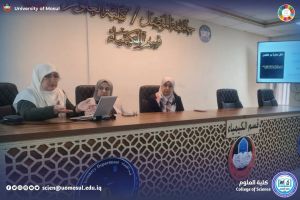
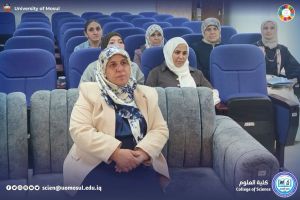
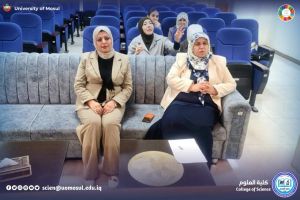
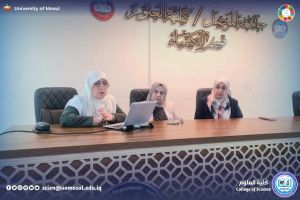
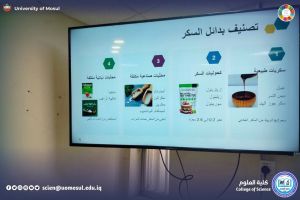
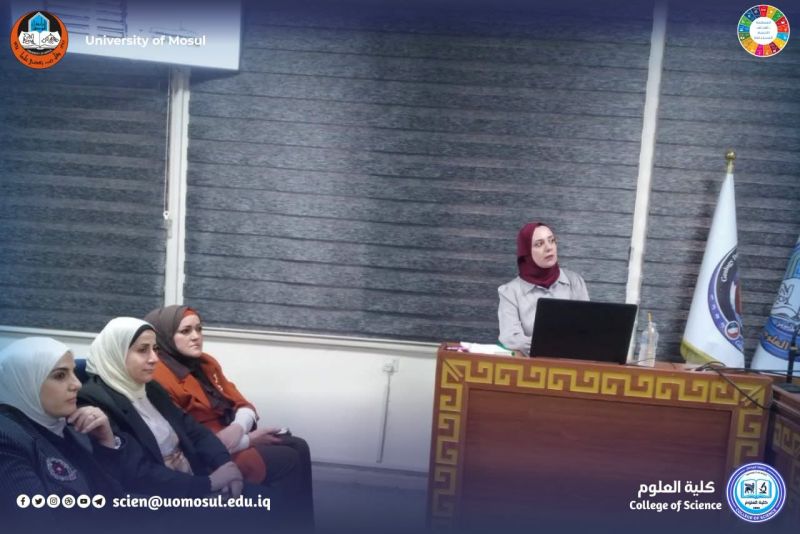
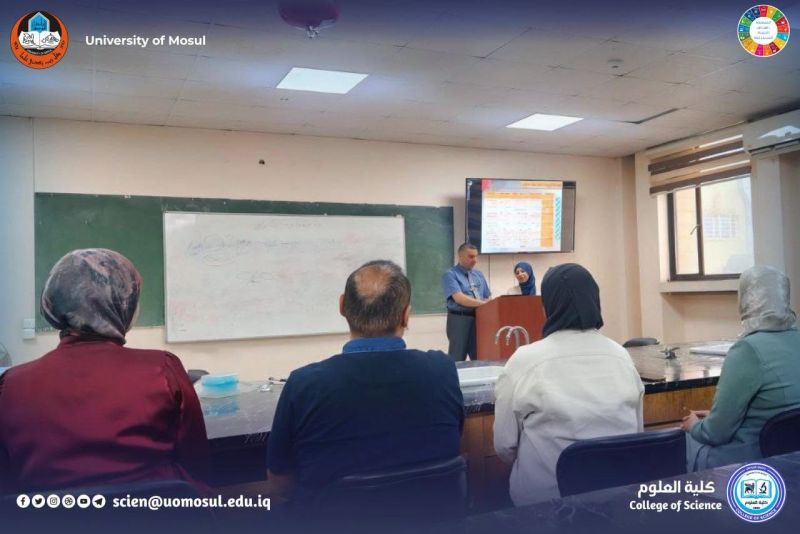
On Thursday, October 15, 2026, the Department of Chemistry at the Faculty of Science held a scientific workshop entitled “sugar substitutes and sweeteners: a chemical and Health Study between benefits and risks”, as part of continuing education activities, in the presence of a group of department teachers and those interested in the subject of the workshop. The workshop was presented by Dr. and son Khairallah Ali, Dr. rafad Rabie Saadoun, Dr. Safa Abdul Aziz, and Dr. Alaa Hussein, reviewing the most prominent types of sugar substitutes and sweeteners, their uses, and their health effects, in light of the growing interest in reducing the consumption of added sugars and reducing the risks of obesity and diabetes. The workshop discussed the uses of sweeteners in various food products, including sugar-free soft drinks, chewing gum, sweets, dairy products, baked goods, as well as some medicines and oral care products. The role of these alternatives in giving a sweet taste to foods and drinks while reducing the amount of added sugar was also clarified, as some sweeteners are characterized by their sweetness compared to sugar, which allows the use of small amounts of them. The workshop highlighted the effectiveness of low-or no-energy sweeteners in weight loss, explaining that using them instead of sugar may contribute to reducing calories consumed, but they are not a guaranteed way to control weight in the long term. She also referred to the WHO recommendations issued in 2023, which do not recommend the use of non-sugary sweeteners with the aim of long-term weight control. The workshop concluded that sugar substitutes and sweeteners may help reduce the consumption of added sugars, but they do not represent a long-term solution by themselves to lose weight or prevent diseases, stressing the importance of nutritional awareness and balanced selection of foods and beverages, based on scientific knowledge of the nature of these alternatives and their health effects. This workshop comes within the scientific activities of the Department of chemistry aimed at spreading health and food awareness, and enhancing knowledge of chemical applications related to human life, in order to support the role of the University in community service. Our wishes to the full-time faculty of science teachers for success, excellence and scientific giving.
Government information and Communication Division
Saturday, October 17, 2026