18 October، 2026
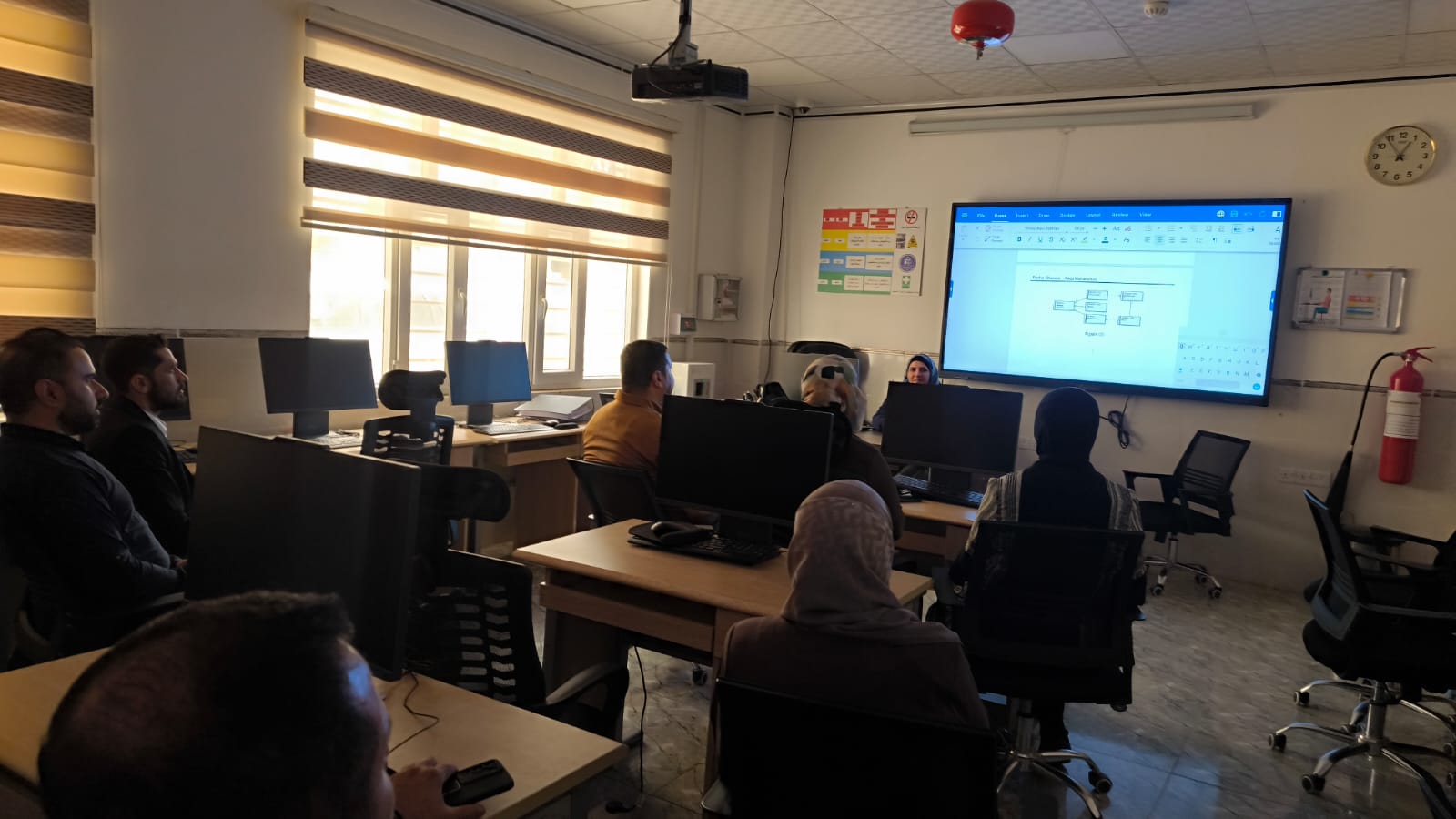
Holding a course titled: “Functional Intelligence Techniques and How to Leverage Them in the Job Market” – Rehabilitation, Employment, and Follow-up Unit
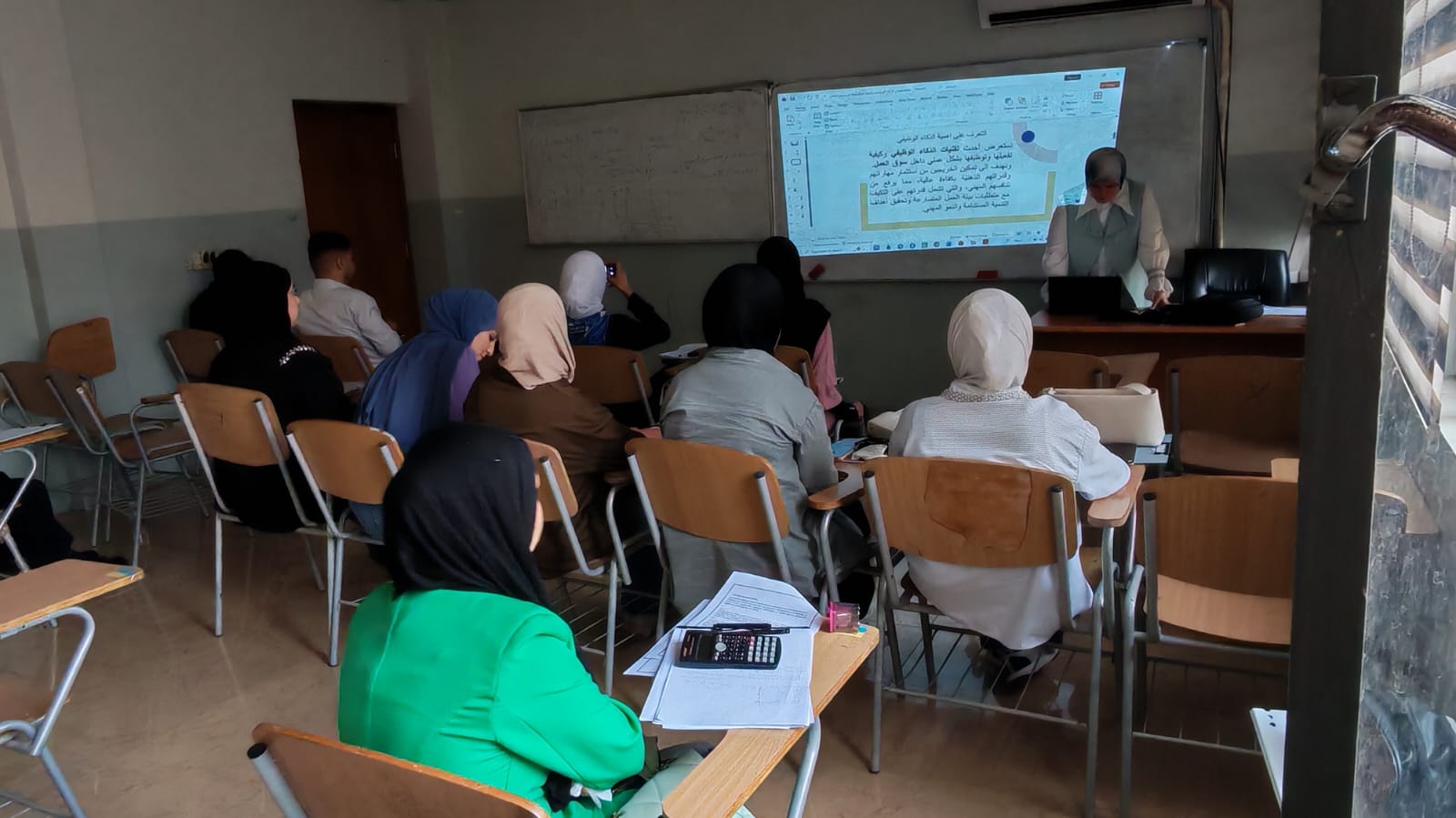
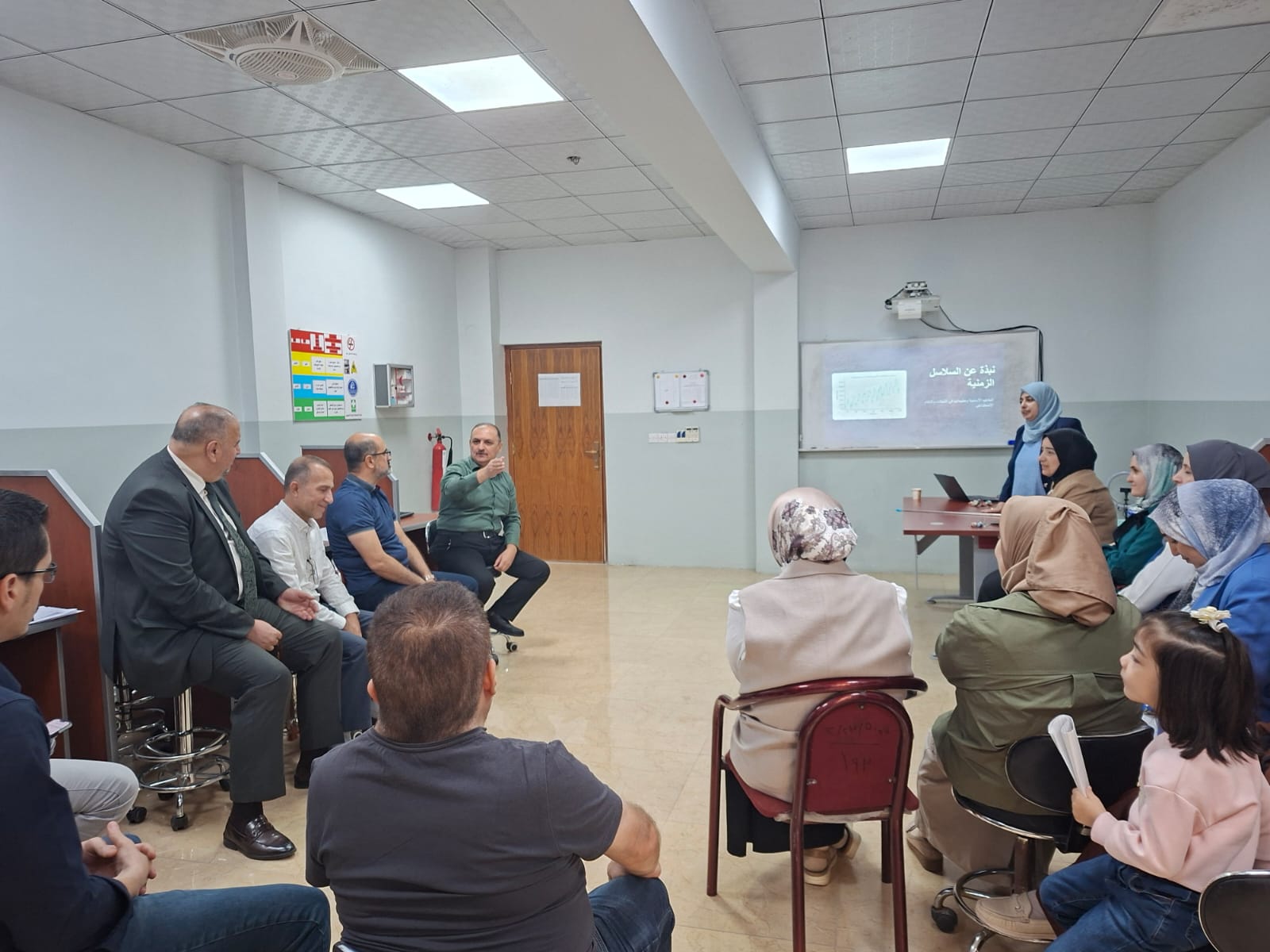
Under the patronage and supervision of the Dean of the College of Computer Science and Mathematics, Prof. Dr. Duha Bashir Abdullah, the College’s Qualification, Employment, and Follow-up Unit organized a course titled “Workplace Intelligence Techniques and How to Leverage Them in the Job Market,” delivered by Assistant Professor Dr. Naam Hazim Ahmed.
Course Summary:
Workplace intelligence skills serve as the primary driver for industrial innovation and economic growth. This course explores the latest techniques in workplace intelligence and demonstrates how to practically implement and apply them within the contemporary job market. It aims to empower individuals and graduates to efficiently utilize their mental and emotional capabilities, thereby enhancing their professional competitiveness and ensuring their ability to adapt to the demands of a rapidly evolving work environment, while contributing to sustainable development goals and professional growth. The course focuses on:
– Establishing corporate partnerships to achieve objectives and strengthening the role of the Qualification, Employment, and Follow-up Unit as a vital bridge connecting the College of Computer Science and Mathematics with the actual requirements of the job market.
– Promoting decent work and economic growth by equipping graduates with tools for workplace and emotional intelligence, ensuring their effective integration into the labor market with high, sustainable productivity.
– Directing technical skills toward innovation, encouraging graduates to leverage workplace intelligence techniques and software solutions to develop new business models that serve the industrial and technical sectors.
Course Objectives:
– To understand the importance of workplace intelligence.
– To acquire the traits of an “intelligent” employee. – Understanding career guidance and counseling.
– Seeking opportunities for excellence.
– Learning how to leverage professional intelligence within corporate settings to achieve goals.
– Identifying future objectives related to industry, innovation, and infrastructure.
– Understanding the role of professional intelligence in strengthening one’s existing capabilities.
– Exploring the connection between professional intelligence and building self-confidence.
– Discovering tips for enhancing self-confidence in the workplace.
– Examining the nature of modern work and its role in economic growth.
– Defining the components of a professional intelligence assessment scale.
– Understanding emotional intelligence and its constituent elements.
– Identifying the key skills associated with professional intelligence.
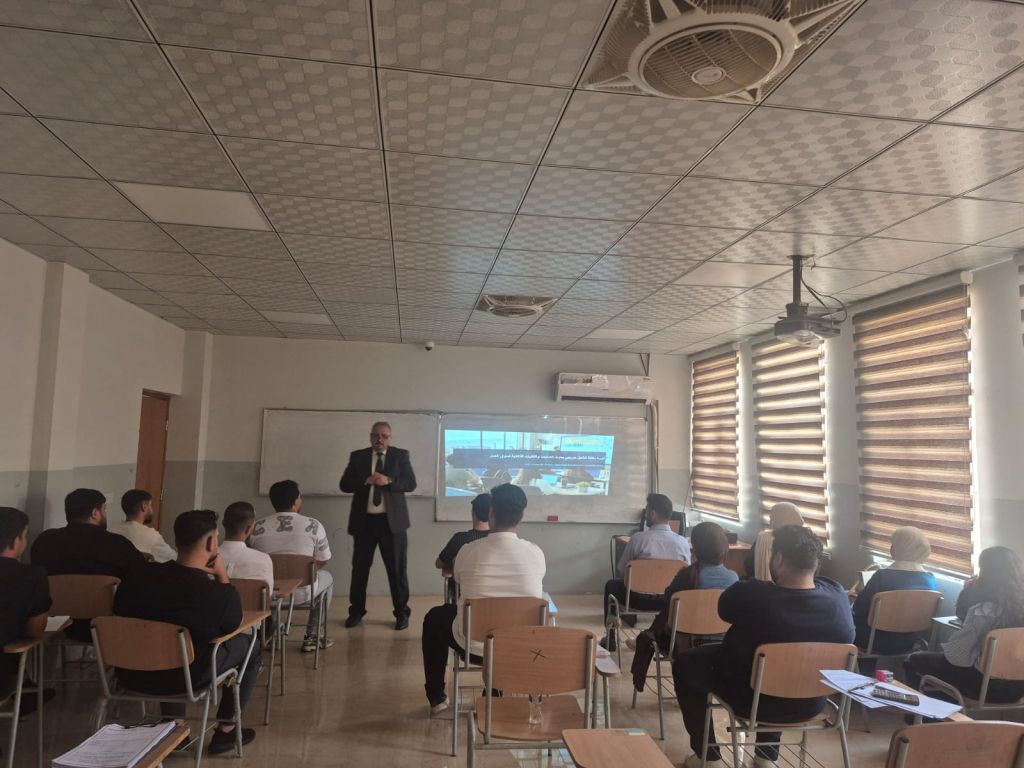 Holding a course titled: "Professional Qualification in Operations Research, Data Analysis, and Artificial Intelligence" / Qualification, Employment, and Follow-up Unit
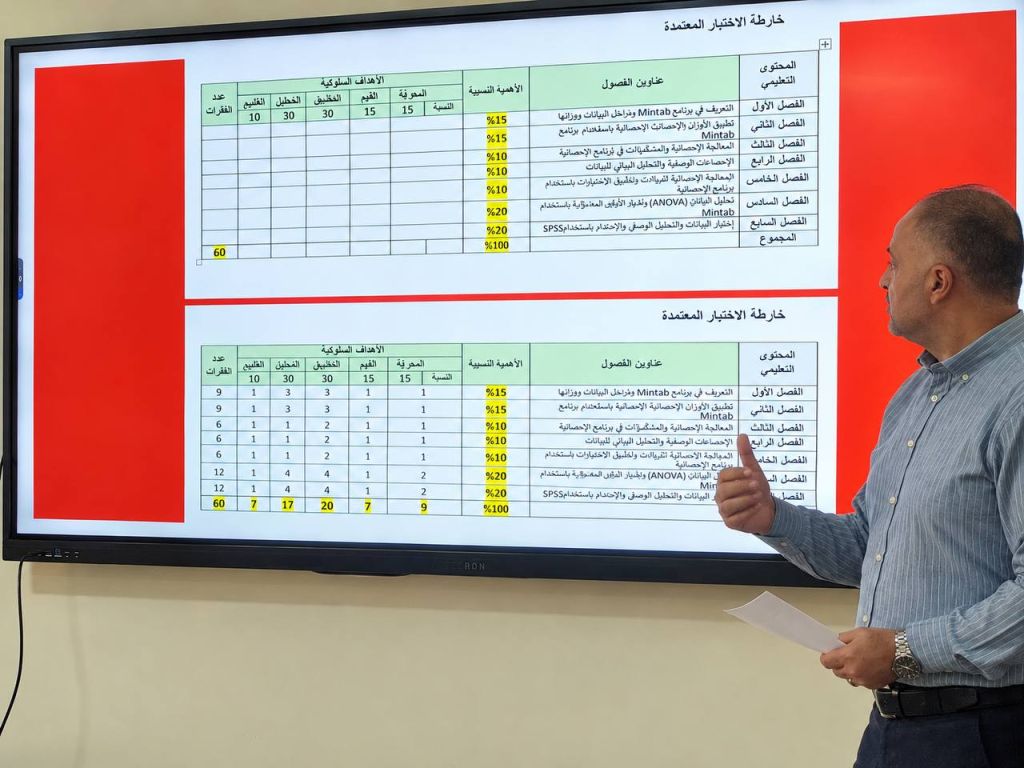 The Department of Statistics and Informatics held a seminar titled "The Integrated Educational Kit: Planning and Implementation."