26 October، 2026
Seminar Titled “The Integrated Educational Package: Planning and Implementation” /Software Department
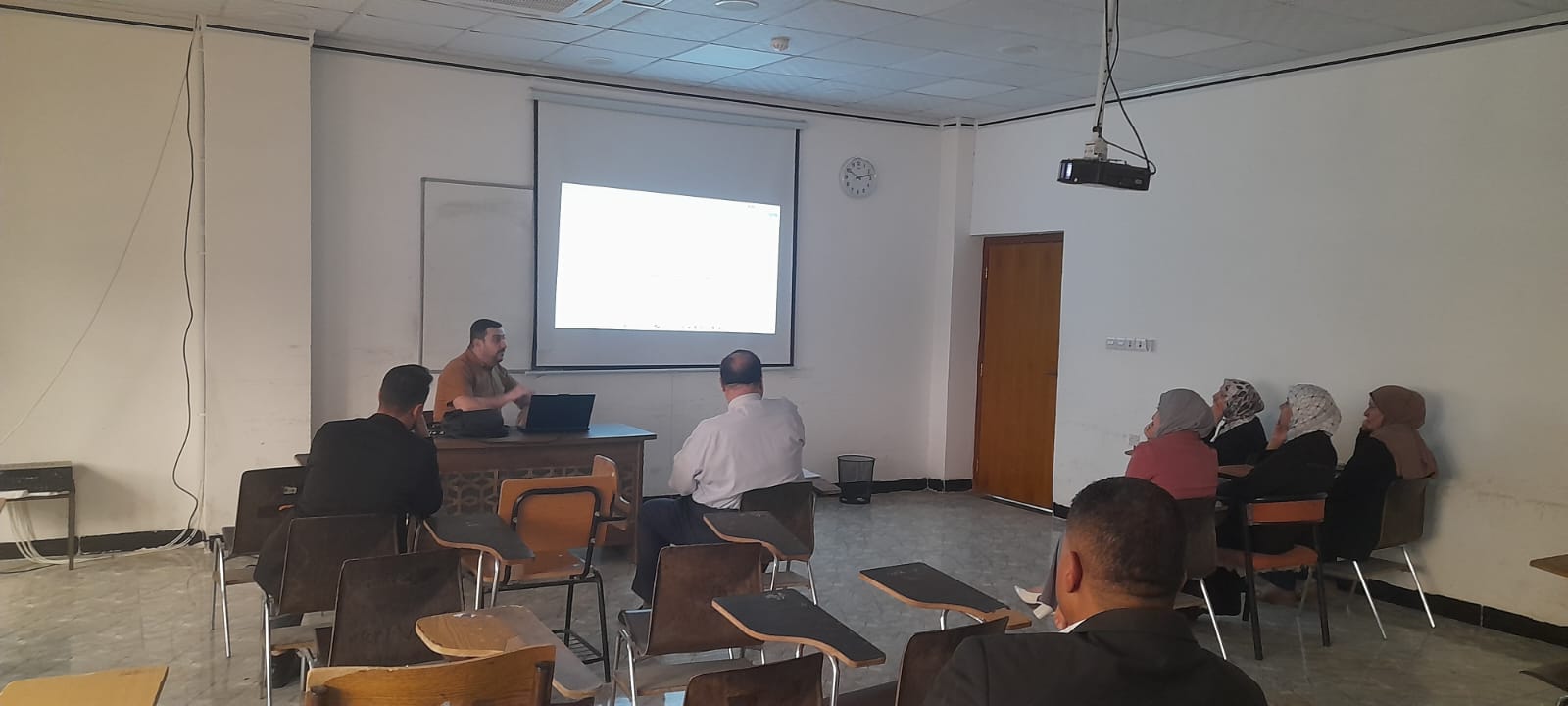
The Software Department Hosts a Seminar Titled “The Integrated Educational Package: Planning and Implementation”
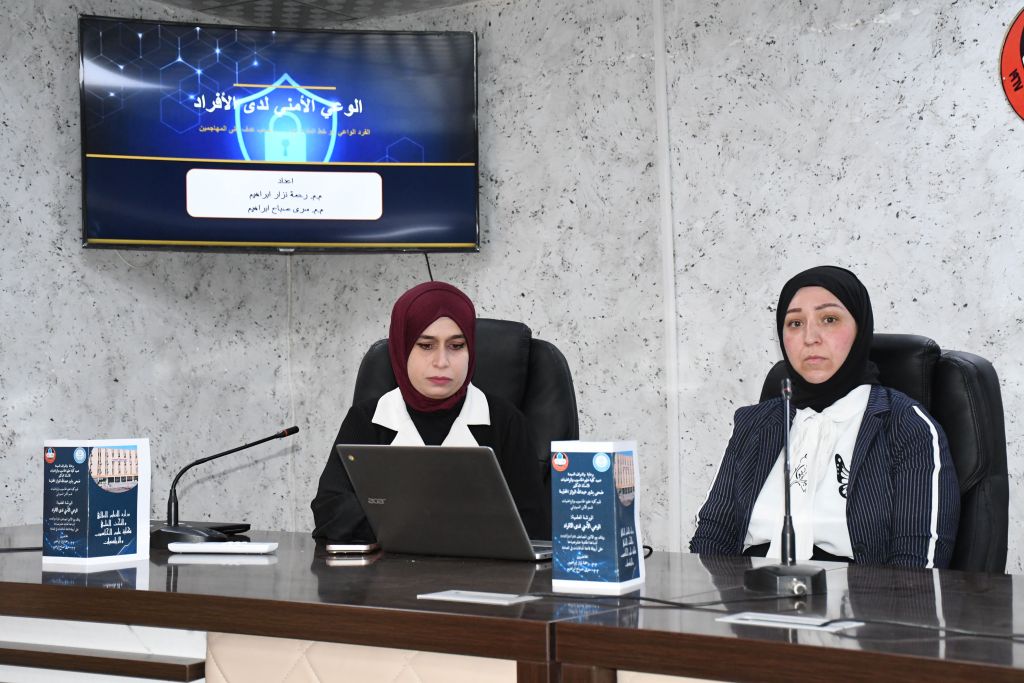
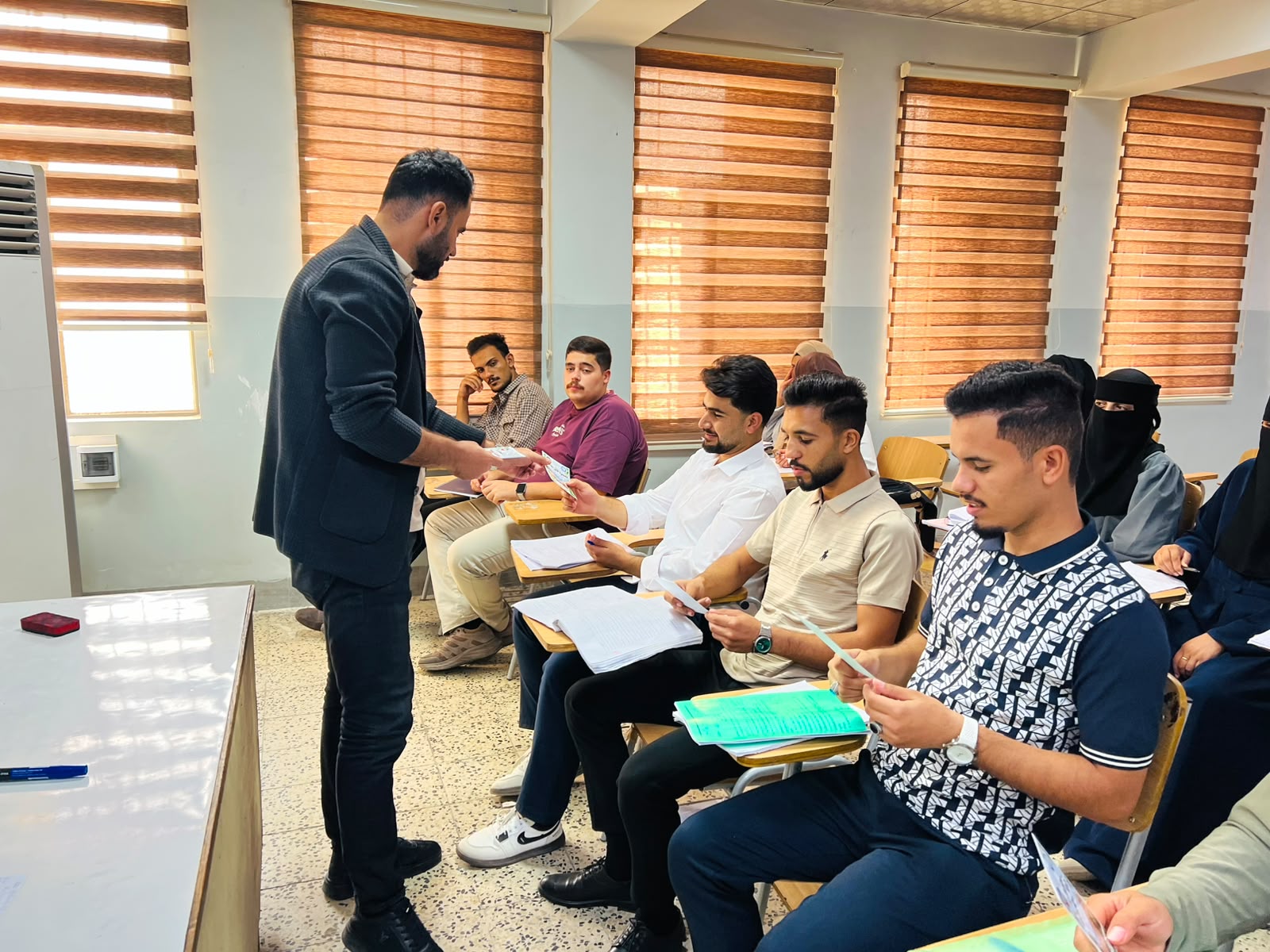
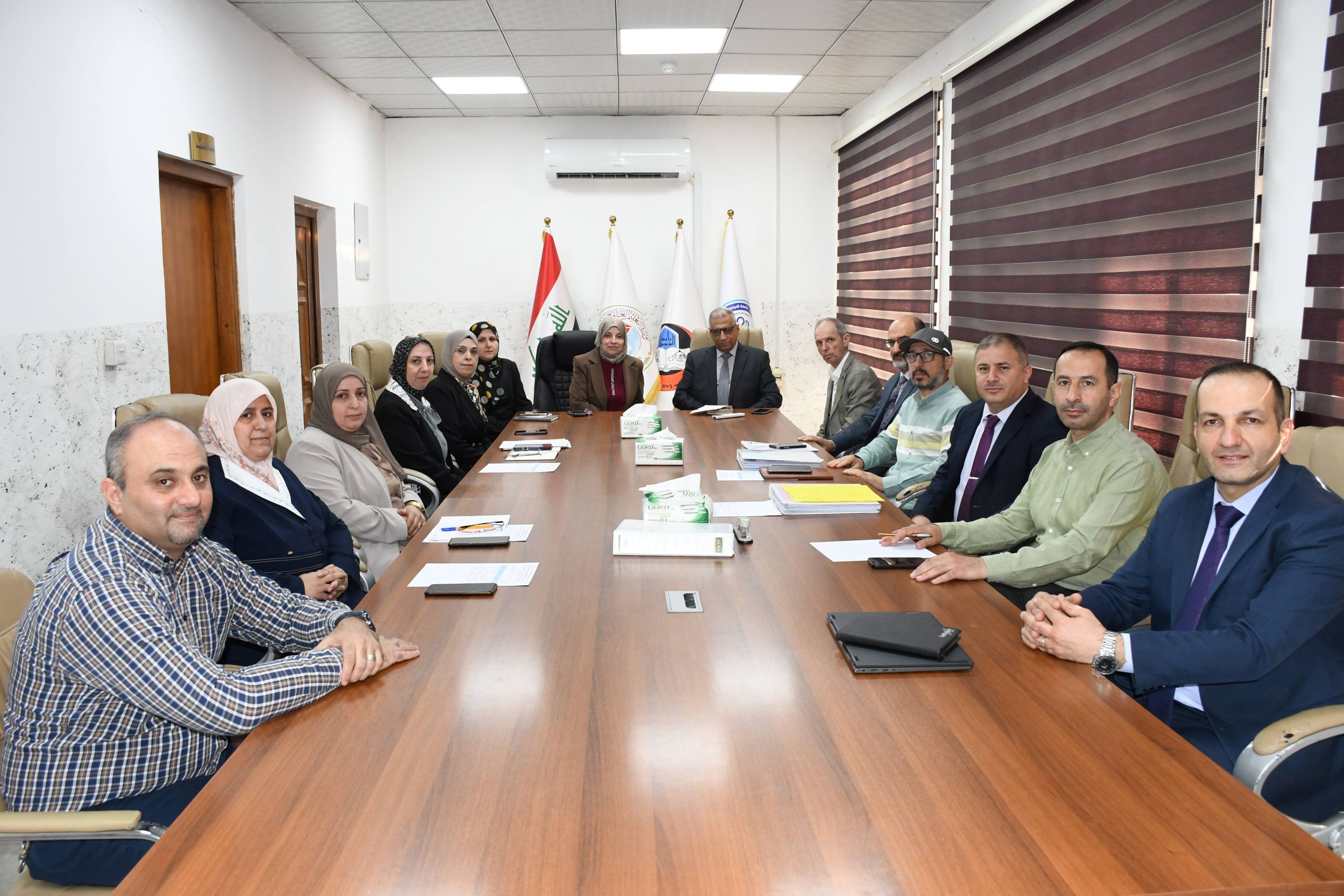
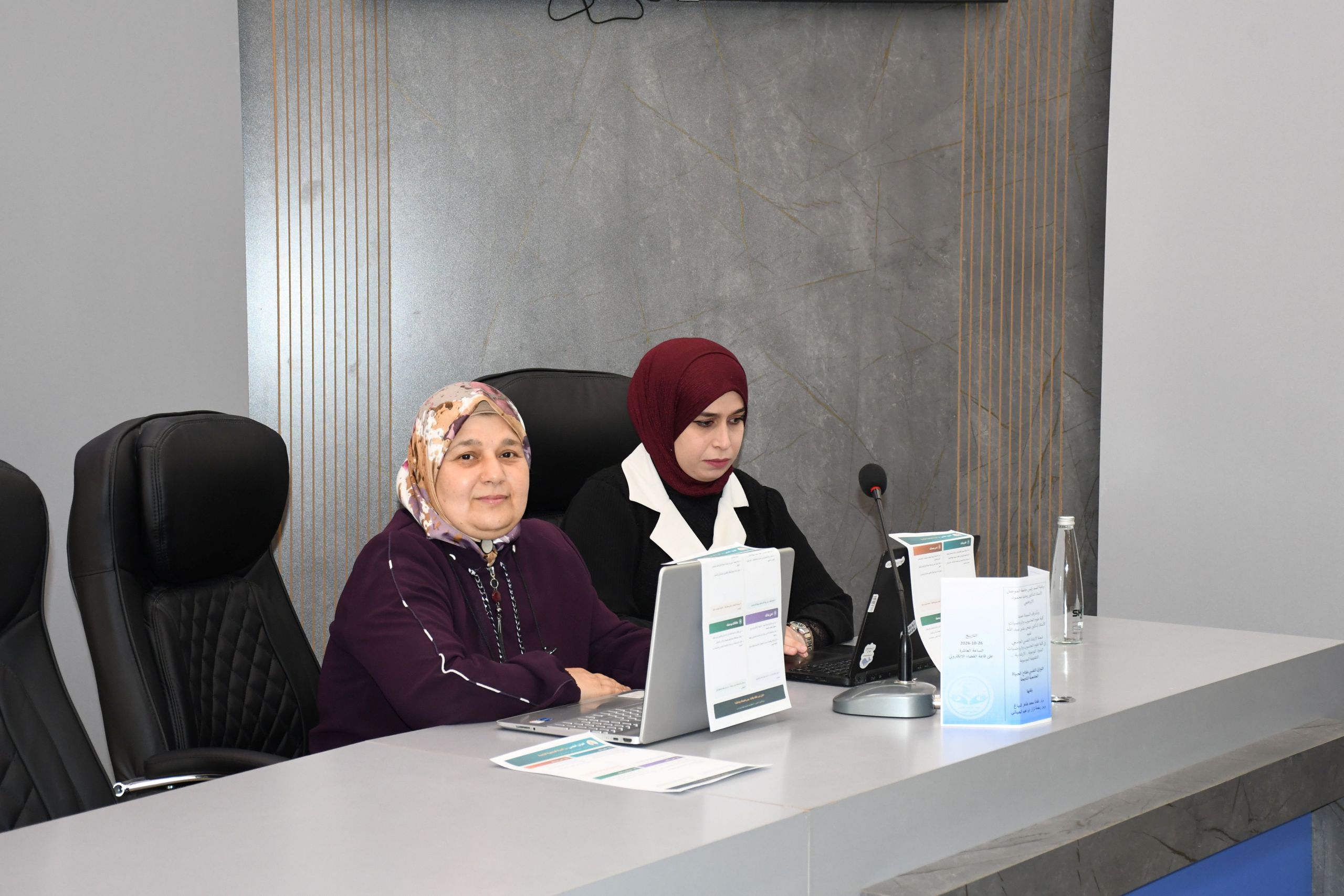
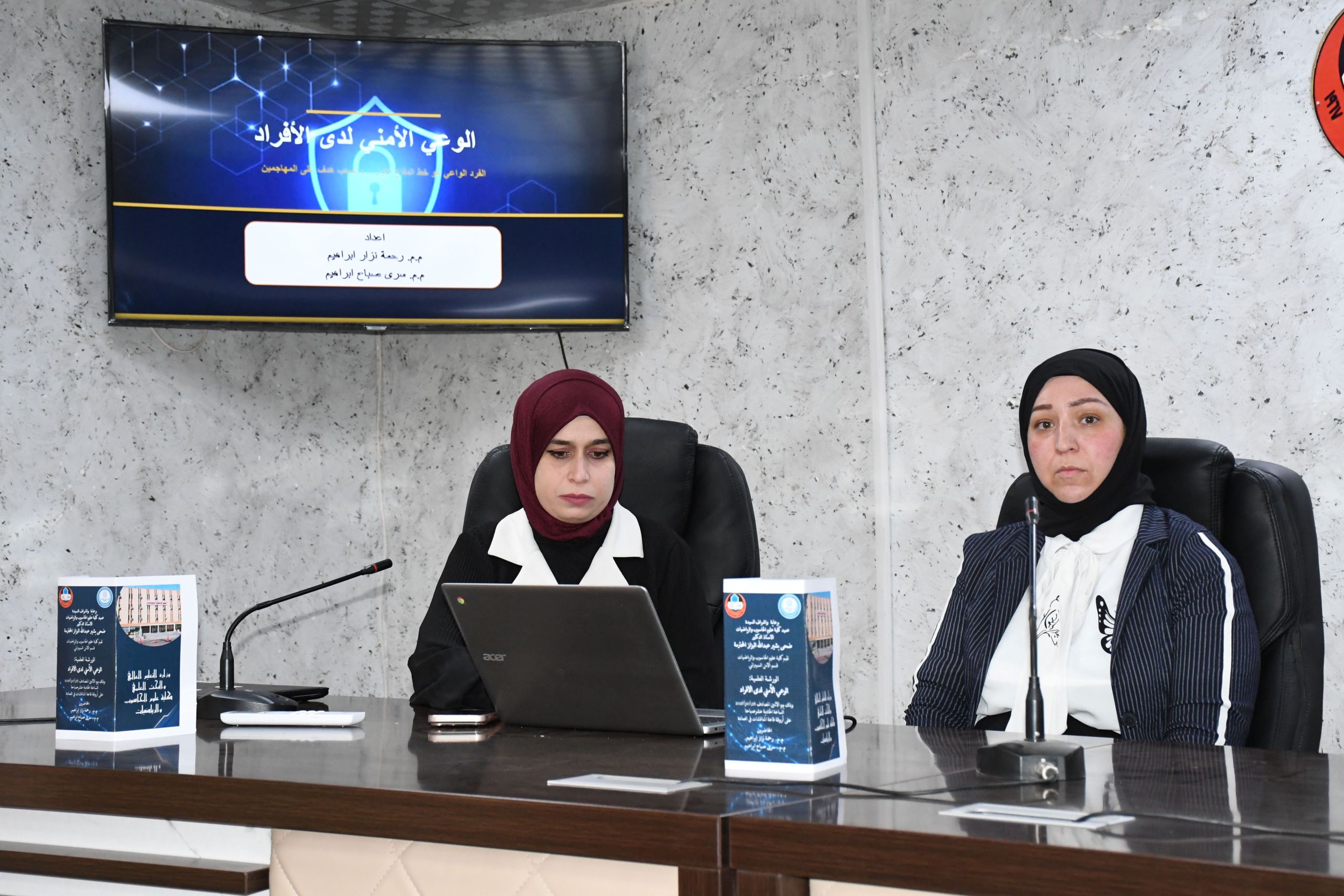
On Sunday, October 25, 2026, the Department of Software at the College of Computer Science and Mathematics held a seminar titled “The Integrated Educational Package: Planning and Implementation.” The session was presented by Assistant Professor Dr. Hassan Maher Ahmed, Lecturer Zahra Mazen Taha, and Assistant Lecturer Muath Abdullah Saeed, and was attended by a number of the department’s faculty members and researchers.
The seminar explored the concept of an “integrated educational package” and its significance in advancing the educational process. It highlighted the stages of planning, preparation, and implementation—beginning with defining educational objectives and analyzing learner needs, moving through the selection and organization of academic content, the design of educational activities and supporting resources, and concluding with assessment mechanisms to measure the achievement of objectives. Furthermore, the seminar examined the role of digital technologies and electronic resources in fostering interaction between instructors and students, enhancing educational efficiency, and creating a flexible learning environment that supports self-directed and continuous learning.
The seminar concluded by emphasizing the importance of adopting a structured, scientific methodology for developing educational packages—ensuring alignment between objectives, content, activities, and assessment methods. It also underscored the necessity of continuously updating educational materials and leveraging modern technologies in their design and implementation, ultimately contributing to improved educational outcomes and a more effective learning process. This academic seminar addressed topics that directly intersect with several of the United Nations Sustainable Development Goals (SDGs), most notably:
1. Goal 4: Quality Education — by advancing teaching and learning methods, improving the quality of educational resources, and fostering opportunities for lifelong learning.
2. Goal 8: Decent Work and Economic Growth — by developing the educational and professional skills that help prepare students for the labor market.
3. Goal 9: Industry, Innovation, and Infrastructure — by leveraging digital technologies and innovation in the design and development of educational materials.
4. Goal 10: Reduced Inequalities — by supporting access to educational resources and accounting for the diverse needs of learners.
5. Goal 12: Responsible Consumption and Production — by encouraging the creation, reuse, and updating of digital educational resources, thereby promoting the efficient use of educational materials and resources.
6. Goal 17: Partnerships for the Goals — by strengthening collaboration and the exchange of expertise among faculty members and researchers in the development of educational content and resources.