2 November، 2026
Diploma thesis defense – Department of Statistics, for student Mahmoud Daoud Salem Younis.

Defense of a diploma thesis at the College of Computer Science and Mathematics – Department of Statistics – by student Mahmoud Daoud Salem Younis.
The thesis was defended in the defense hall at the College of Computer Science and Mathematics, University of Mosul, on Monday, November 3, 2026.
The study addressed the use of a probabilistic transition matrix to estimate missing values in statistical data, focusing on an applied case study of water turbidity in the Tigris River within the Nineveh Governorate.
The research involved modeling and analyzing daily turbidity data for the Tigris River—specifically for the Left Bank project in the city of Mosul—based on turbidity readings (measured in NTU) recorded throughout 2025, utilizing probabilistic transitions between different turbidity states.
The thesis aimed to evaluate the efficiency of the probabilistic transition matrix and to identify the most accurate estimation method by comparing results using statistical error metrics.
This work contributes to the Sustainable Development Goals (SDGs) by enhancing the reliability of data used to monitor the turbidity of the Tigris River. By estimating missing values through statistical techniques, the study facilitates the provision of more complete and accurate datasets, thereby supporting water quality monitoring and informed, reliable environmental decision-making. This statistical study contributes—both directly and indirectly—to several Sustainable Development Goals (SDGs), as follows:
Goal 6: Clean Water and Sanitation
Rationale: Focusing on the analysis and monitoring of turbidity in the Tigris River—the primary source of drinking water—provides precise data that facilitates improved water resource management and quality monitoring, ensuring the availability of safe drinking water.
Goal 13: Climate Action
Rationale: Monitoring changes in water turbidity and analyzing environmental data helps address the impacts of climate change and environmental fluctuations on water resources, while also supporting planning efforts to mitigate associated risks.
Goal 9: Industry, Innovation, and Infrastructure
Rationale: The application of advanced statistical methods—specifically the use of a probabilistic imputation matrix to estimate missing values—represents an innovation in digital data processing and analysis. This, in turn, supports the development of infrastructure for water filtration and pumping projects (such as the “Left Bank” project).
Goal 15: Life on Land
Rationale: Preserving river ecosystems and assessing the aquatic environment relies on reliable data, which helps prevent the degradation of aquatic habitats and supports sustainable environmental decision-making in Nineveh Governorate. Goal 3: Good Health and Well-being
Rationale: Ensuring the accuracy of water quality data facilitates informed decision-making regarding water treatment before it is supplied to the population. This protects public health from diseases linked to water contamination or high turbidity levels.
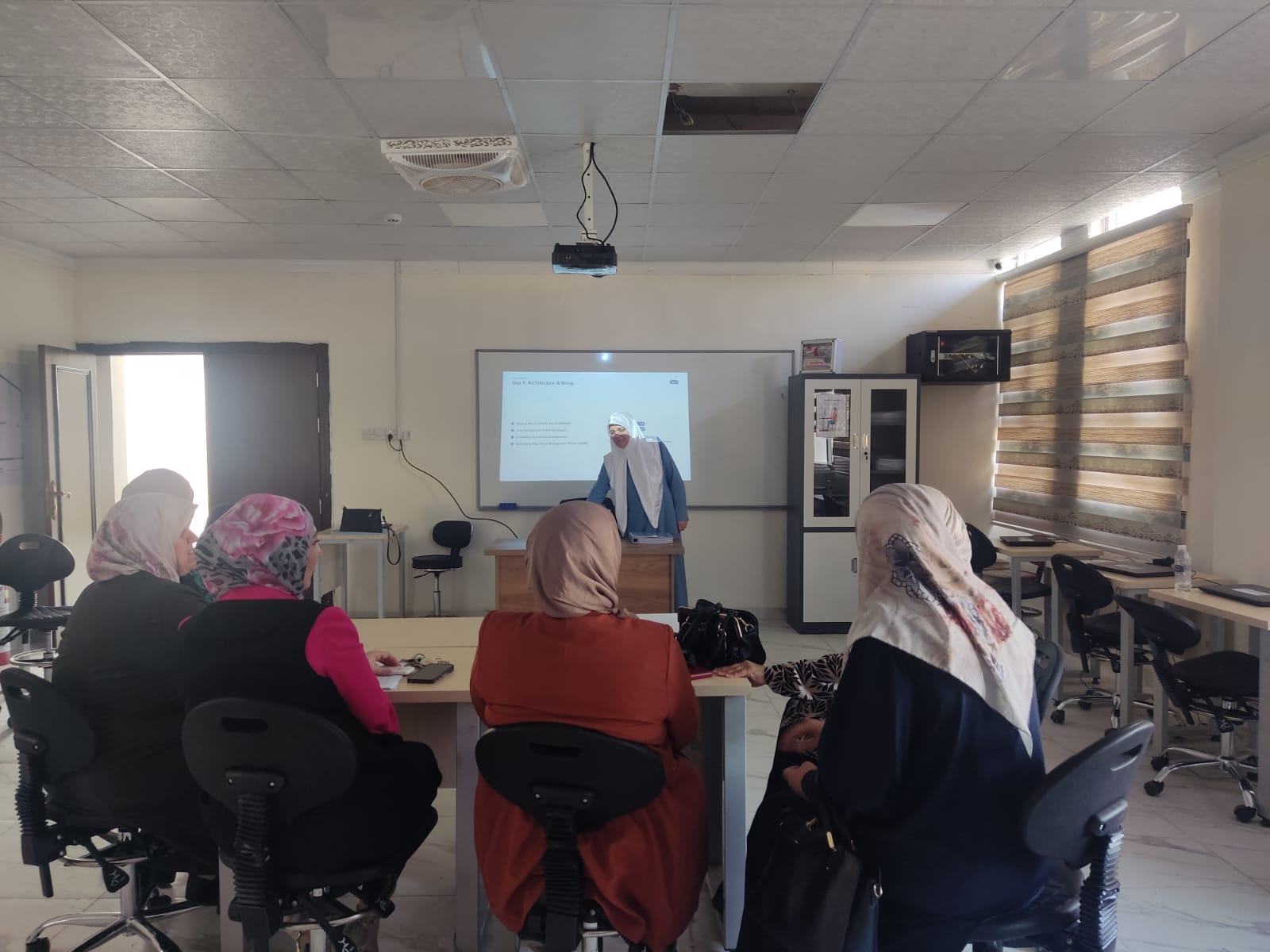
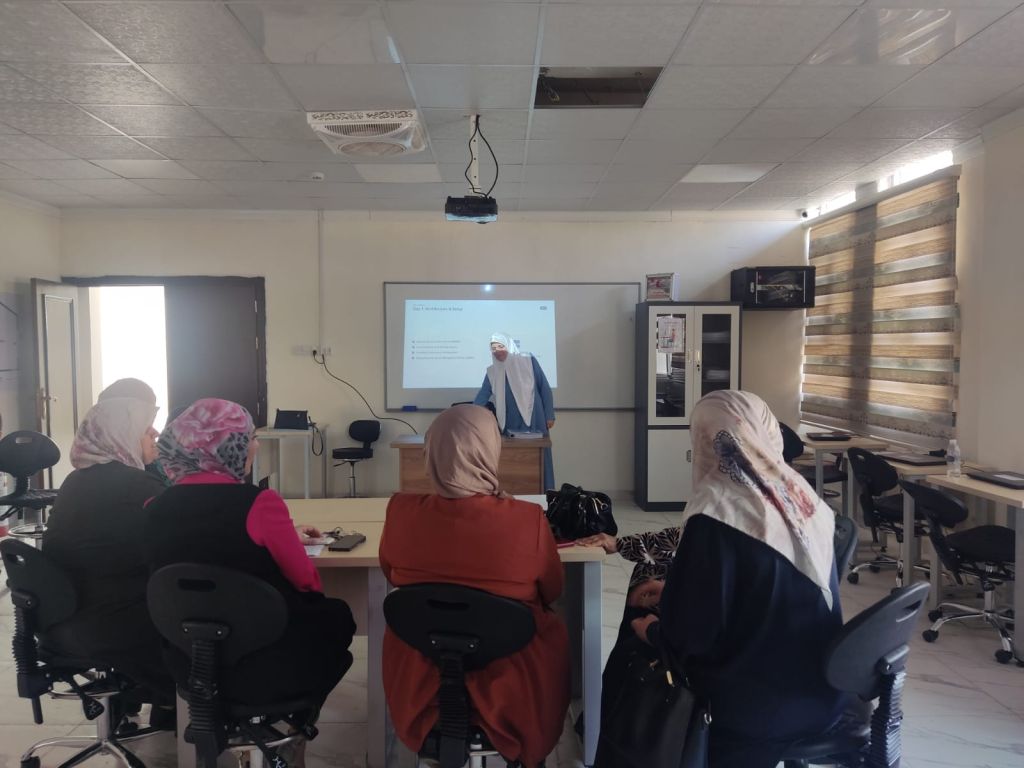 Holding a continuing education course titled: "SQL Server Database Management Systems"