24 October، 2026
Seminar titled: “Low-Data Learning in Resource-Constrained Environments – From Few-Shot Learning to Zero-Shot Learning”
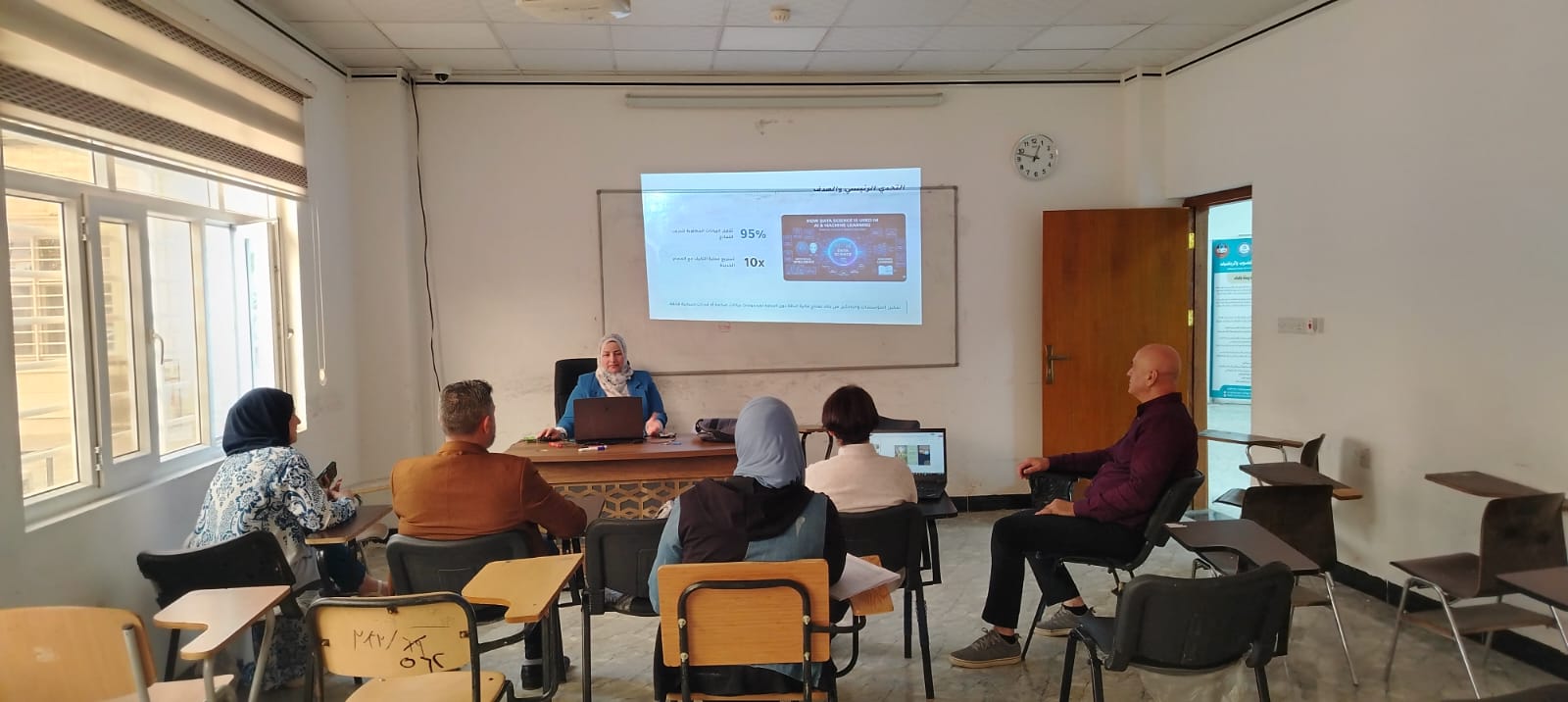
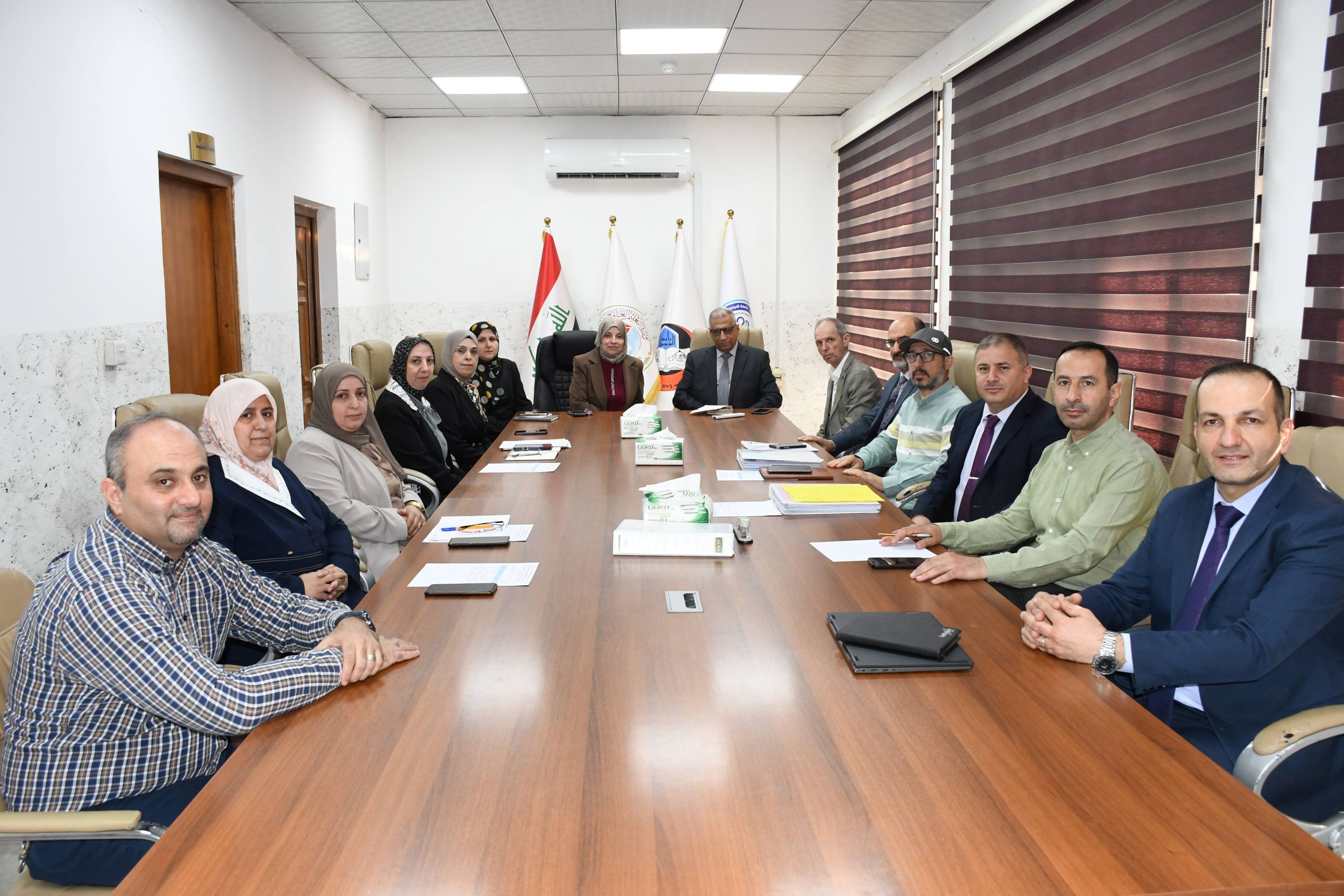
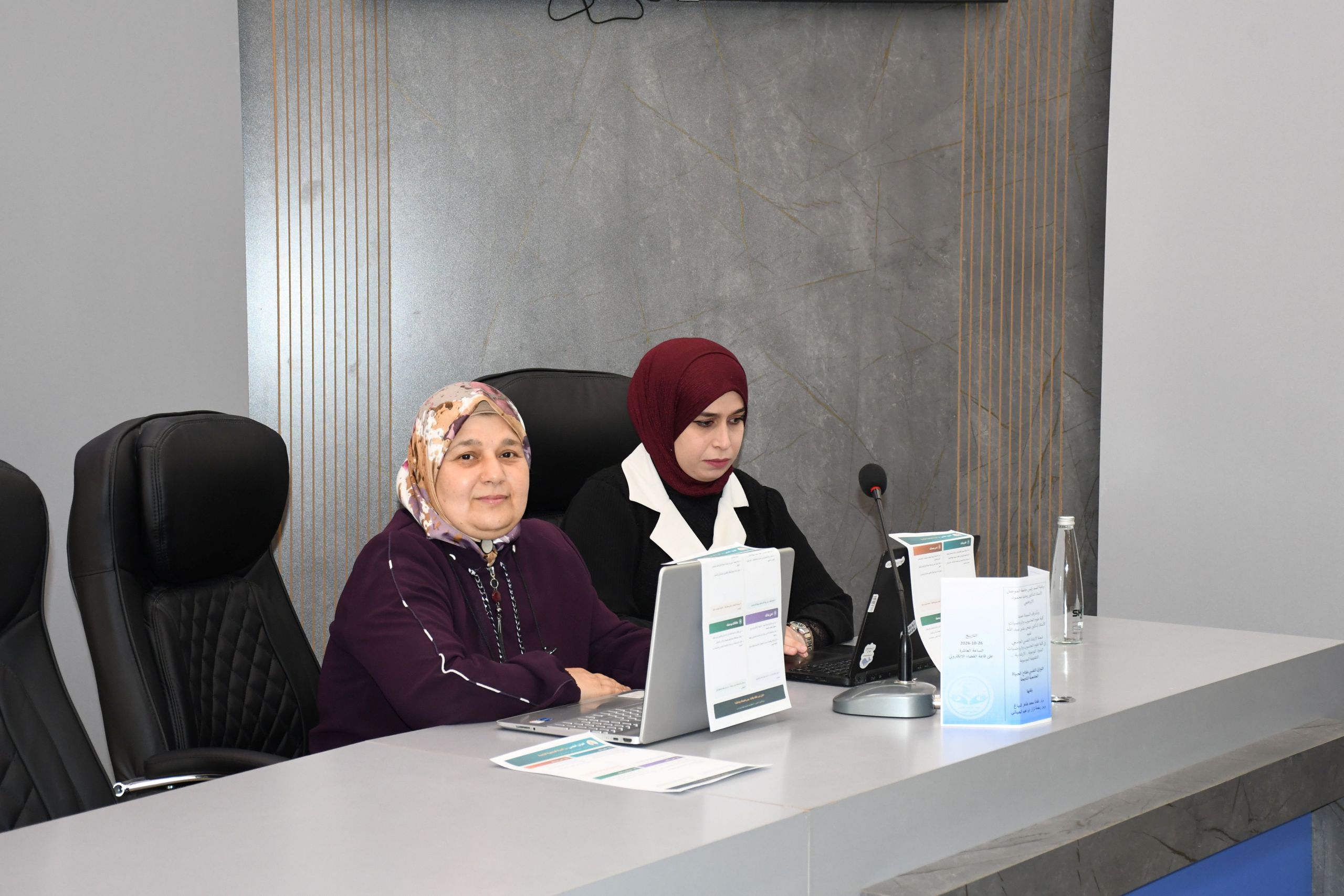
The Department of Artificial Intelligence at the College of Computer Science and Mathematics held a seminar titled “Few-Shot Learning to Zero-Shot Learning: Learning in Resource-Constrained Environments” on Sunday, October 12, 2026. The session, held in Hall 01, was presented by Dr. Lama Akram Abdullah and attended by a number of the department’s faculty members and researchers.
The seminar explored “Few-Shot Learning” and “Zero-Shot Learning” as practical solutions to the challenges posed by a scarcity of labeled data and limited computational resources. It highlighted how these techniques enable organizations and developing nations to build effective artificial intelligence models at a lower cost. Such approaches contribute to the Sustainable Development Goals (SDGs)—specifically by fostering innovation and infrastructure (Goal 9), narrowing the digital and technological divide between nations (Goal 10), and advancing education and scientific research (Goal 4).
The seminar concluded that, while traditional deep learning relies on massive datasets and high-level computational power—which are not always available—Few-Shot Learning allows for the acquisition of new tasks from very few examples through meta-learning, transfer learning, and metric learning. Furthermore, Zero-Shot Learning enables the recognition of categories that were not encountered during the training phase by leveraging semantic and descriptive knowledge. This shift reduces the costs associated with data collection and energy consumption, making artificial intelligence more sustainable and accessible. Its benefits are evident in applications such as medical diagnostics (Goal 3), smart agriculture (Goal 2), smart manufacturing (Goal 9), and education (Goal 4). The seminar concludes that the transition from “few-shot” to “zero-shot” learning represents a step toward an artificial intelligence that is more efficient, inclusive, and equitable—one that supports sustainable development.
This scientific seminar addresses topics that intersect directly with several Sustainable Development Goals (SDGs)—most notably Goals 9, 10, 4, 3, 2, and 13 (Climate Action). This is because learning with limited data reduces the need for intensive training of massive models, thereby lowering energy consumption and the carbon footprint of artificial intelligence.
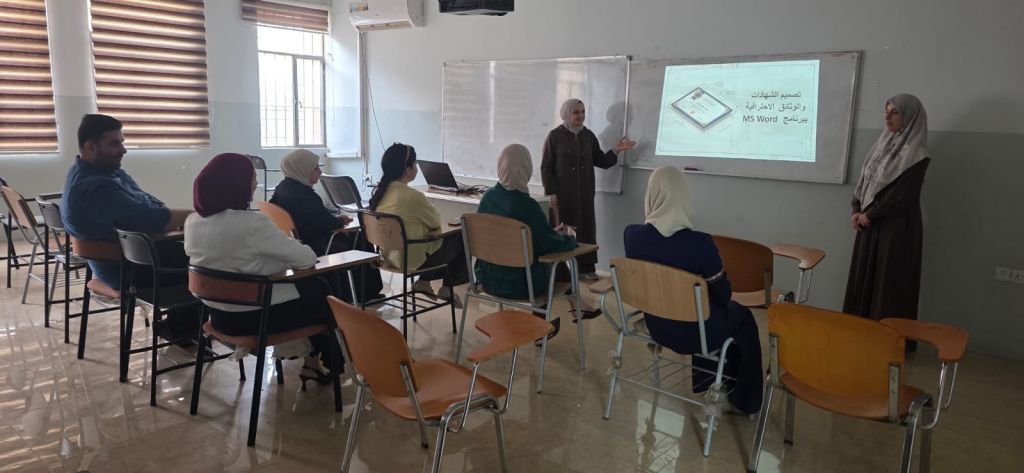 Holding a continuing education course titled: "Designing Professional Certificates and Documents Using MS Word"
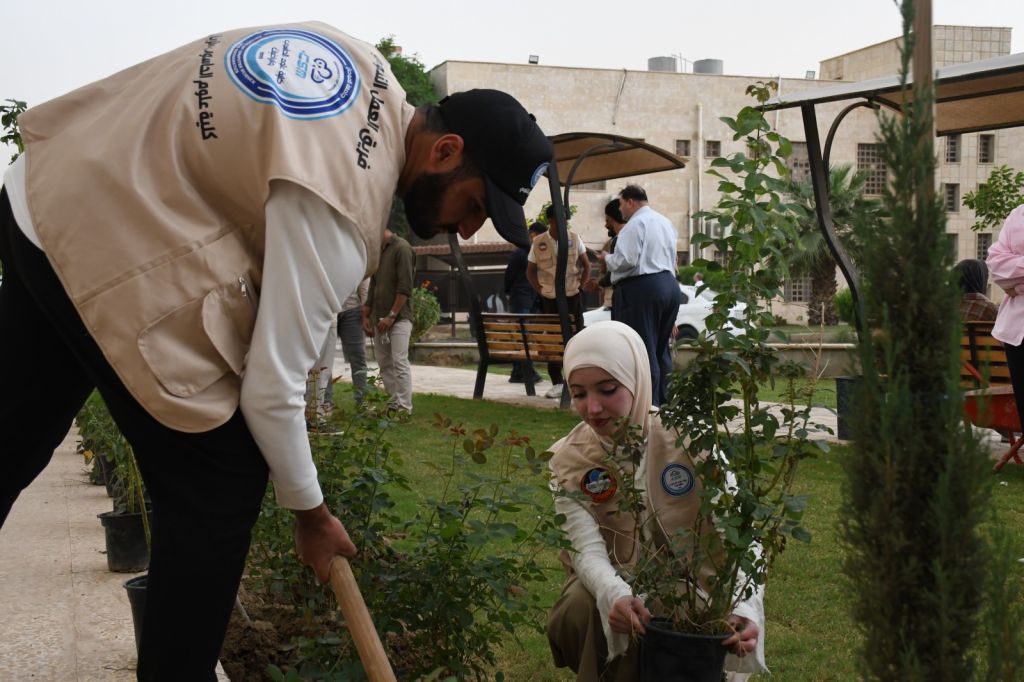 In Line with Sustainable Development Goals: Student Volunteer Groups Lead an Extensive Tree-Planting Campaign at the College of Computer Science and Mathematics, University of Mosul