24 October، 2026
Holding a continuing education course titled: “Designing Professional Certificates and Documents Using MS Word”
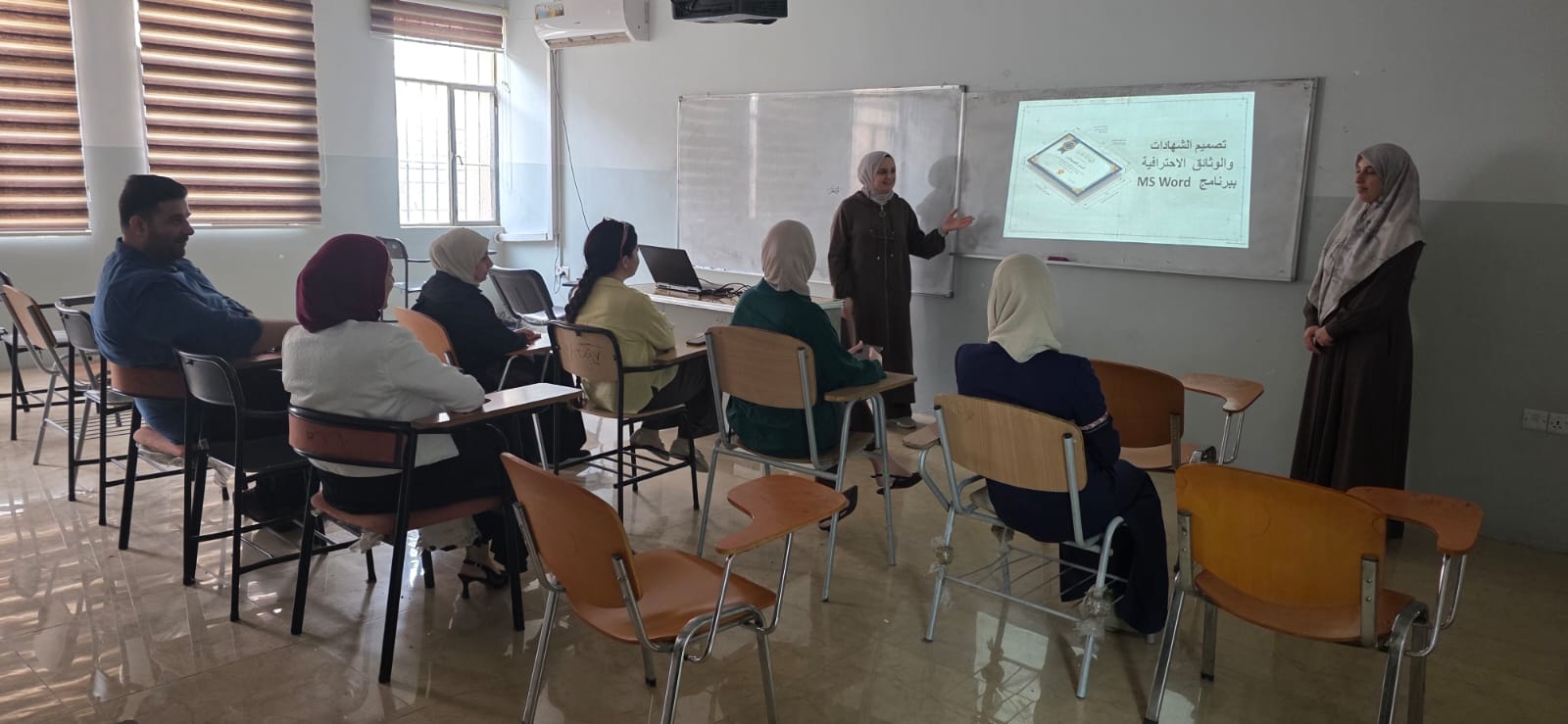
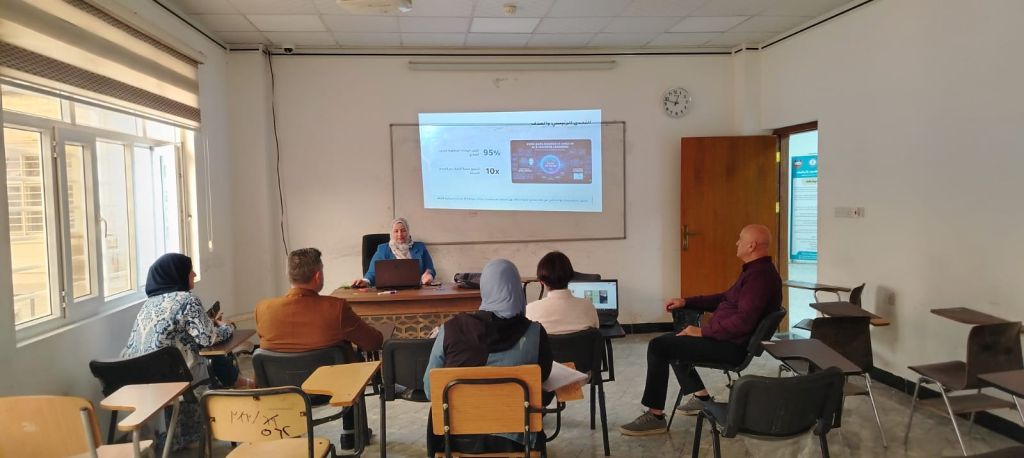
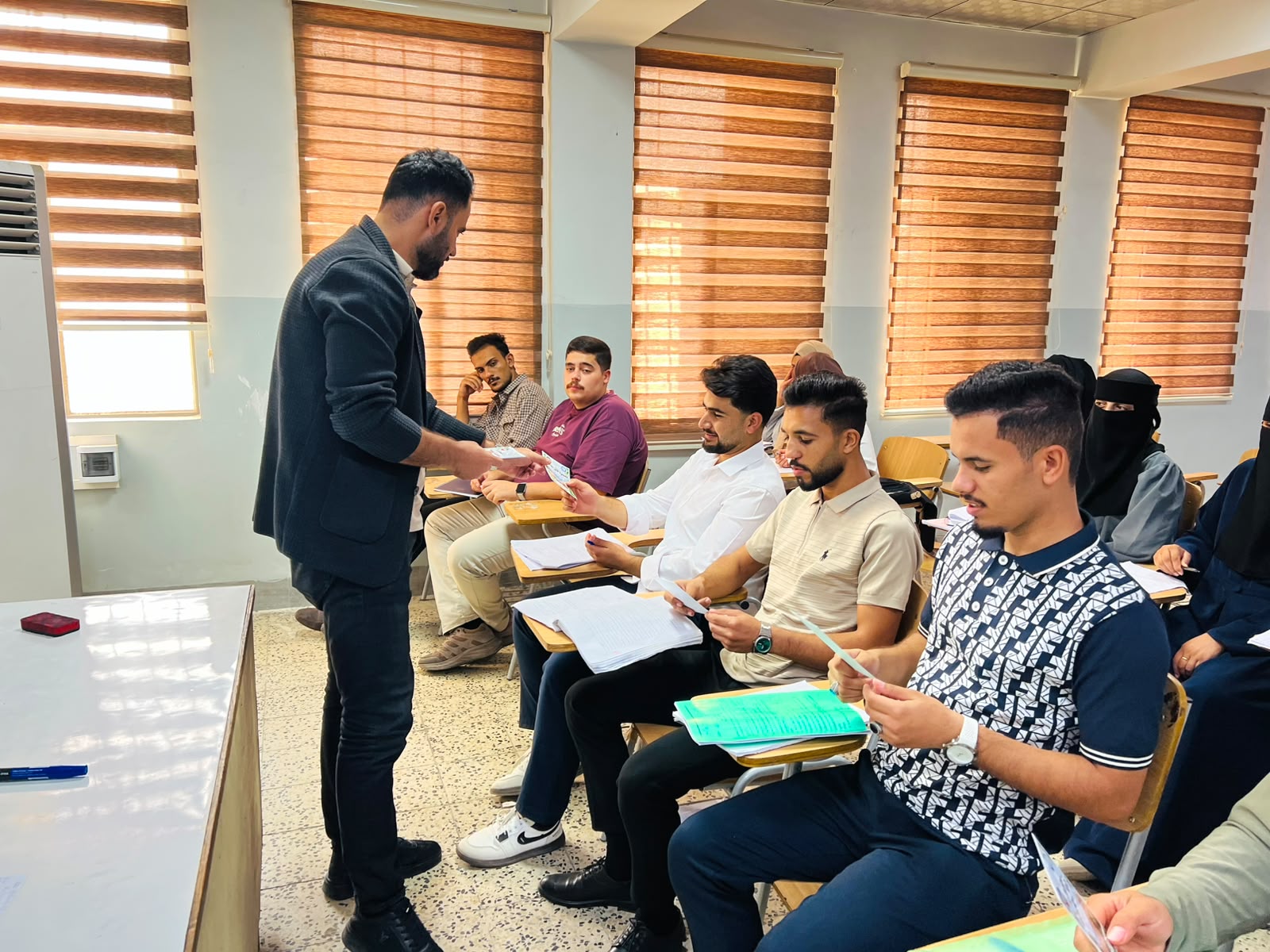
Under the patronage and supervision of the Dean of the College of Computer Science and Mathematics, Professor Dr. Duha Bashir Abdullah, the College has organized a training course as part of its Continuing Education series for the 2026–2027 academic year, titled: “Designing Professional Certificates and Documents Using MS Word.”
Course Objectives
– To equip participants with the skills necessary to design academic certificates and documents using Microsoft Word.
– To enable participants to utilize formatting and design tools to produce professional documents that are accurate, clear, and visually appealing.
– To develop skills in creating standardized templates for academic and administrative certificates and documents, thereby strengthening institutional identity.
– To train participants in using the “Mail Merge” feature to generate certificates in bulk, reducing the time and effort required for administrative tasks.
– To enhance the efficient use of digital technologies in completing academic and administrative duties.
– To encourage the use of electronic documents and reduce reliance on paper-based printing, contributing to resource conservation and environmental protection.
– To support digital transformation and improve the quality of administrative and educational services within academic institutions.
Course Objectives Aligned with Sustainable Development
Goal 4: Quality Education – Contributing to the improvement of education and training quality by developing digital and professional skills, fostering continuous learning opportunities, and building the technical capacity of staff within educational institutions. Goal 9: Industry, Innovation, and Infrastructure – Fostering innovation in academic and administrative workflows by leveraging modern digital tools and streamlining the preparation of documents and certificates, thereby enhancing institutional performance efficiency.
Goal 12: Responsible Consumption and Production – Rationalizing the use of paper, ink, and office supplies by adopting electronic templates and digital documentation, minimizing unnecessary printing, and improving resource-use efficiency.
Goal 13: Climate Action – Contributing to the reduction of the environmental impact of office-based activities by decreasing the consumption of paper and printing-related resources, and by promoting sustainable digital practices.