29 April، 2025
Scientific Symposium at College of Engineering on the Use of Artificial Intelligence in Electrical Engineering Applications
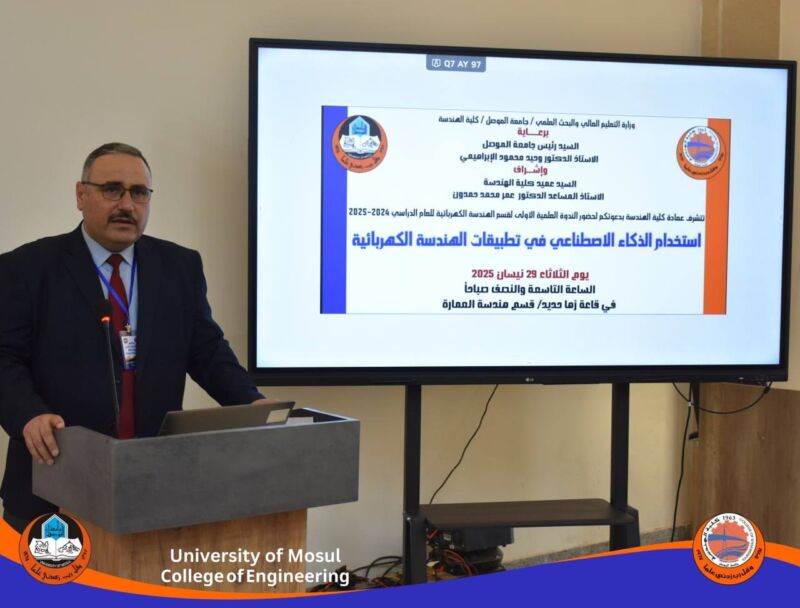
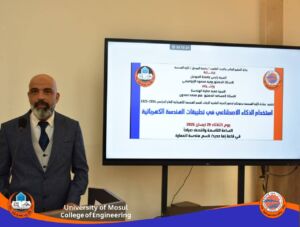
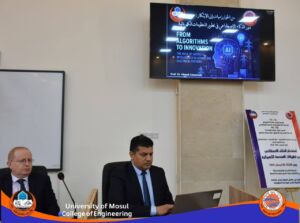
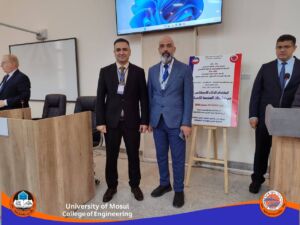
Under the patronage of the President of University of Mosul, Professor Dr. Wahid Mahmood Al-Ibrahimi, and the supervision of College of Engineering’s Dean , Assistant Professor Dr. Omar Mohammed Hamdoon, and due to the importance of raising awareness about the concept of artificial intelligence in developing and enhancing applications of electrical engineering, from circuit design to managing advanced power systems, and how techniques such as machine learning, neural networks, fuzzy logic, and advanced algorithms can be used to develop innovative solutions for automating processes and achieving sustainability in renewable energy projects, the Department of Electrical Engineering at the College of Engineering, University of Mosul, organized its first scientific symposium for the academic year 2024-2025 titled “The Use of Artificial Intelligence in Electrical Engineering Applications” on Tuesday, April 29, 2025.
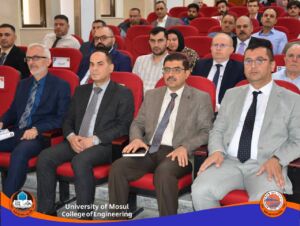
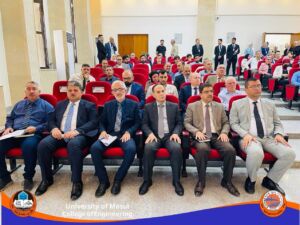
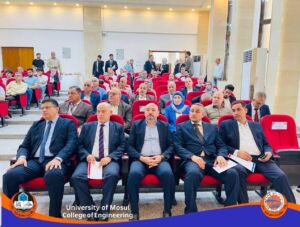
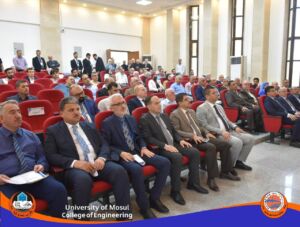
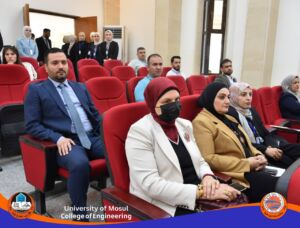
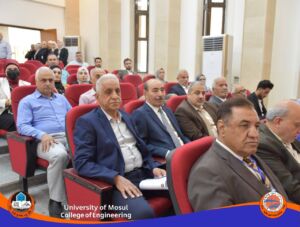
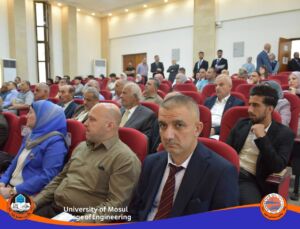
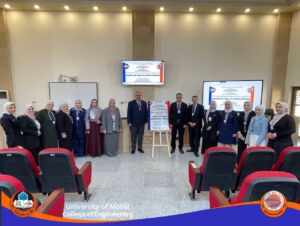
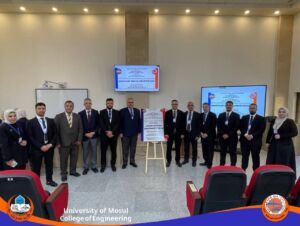
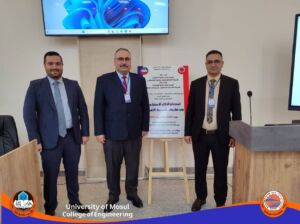
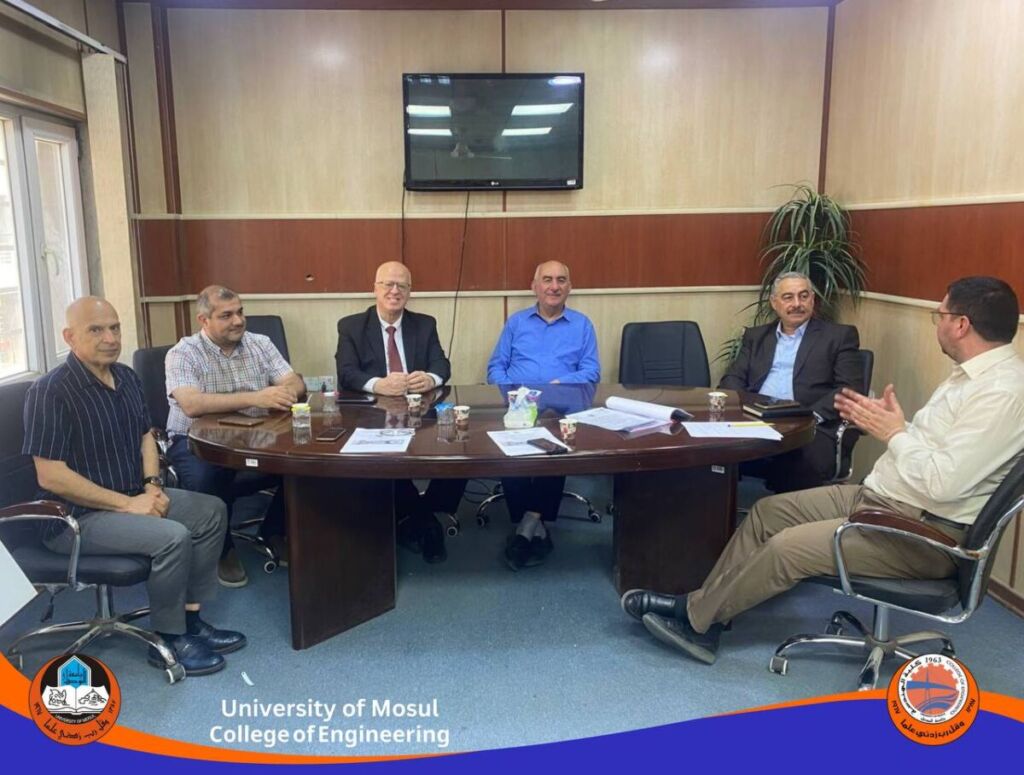
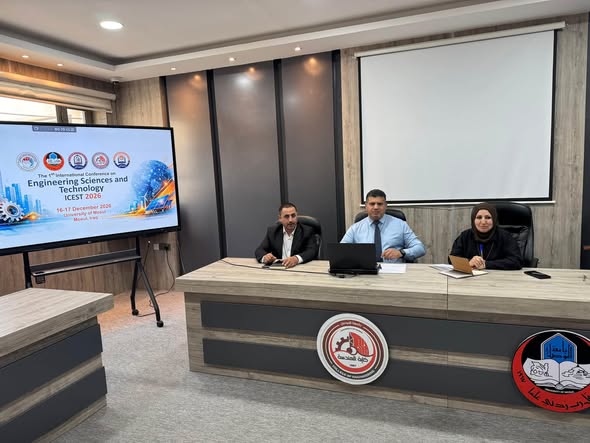
The symposium was attended by Associate Professor Dr. Omar Mohammed Hamdoon, Dean of the College of Engineering; Associate Professor Dr. Ayman Talib Hamid, Vice Dean for Scientific Affairs; and Dr. Bassam Ihsan Al-Hafidh, Vice Dean for Administrative Affairs, along with a number of faculty members and staff from the College of Engineering and the University of Mosul.
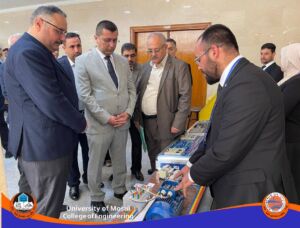
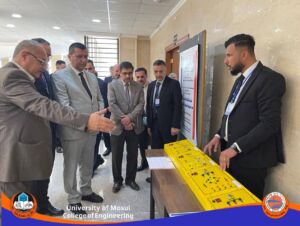
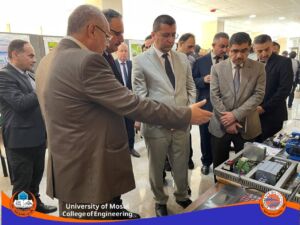
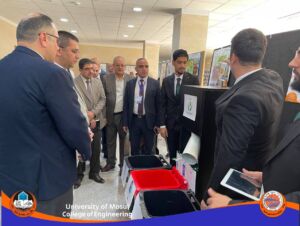
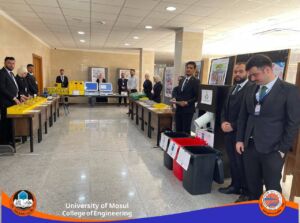
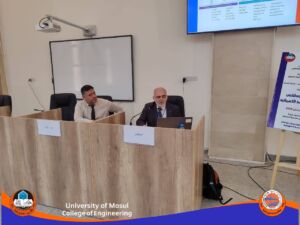
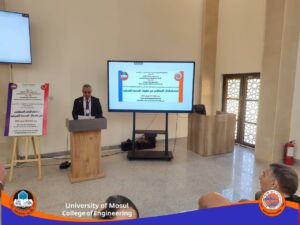
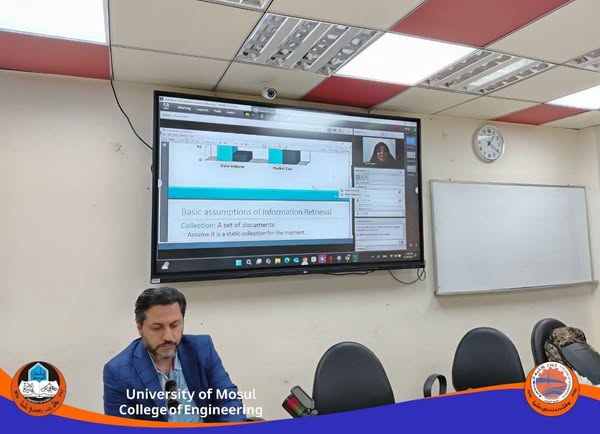
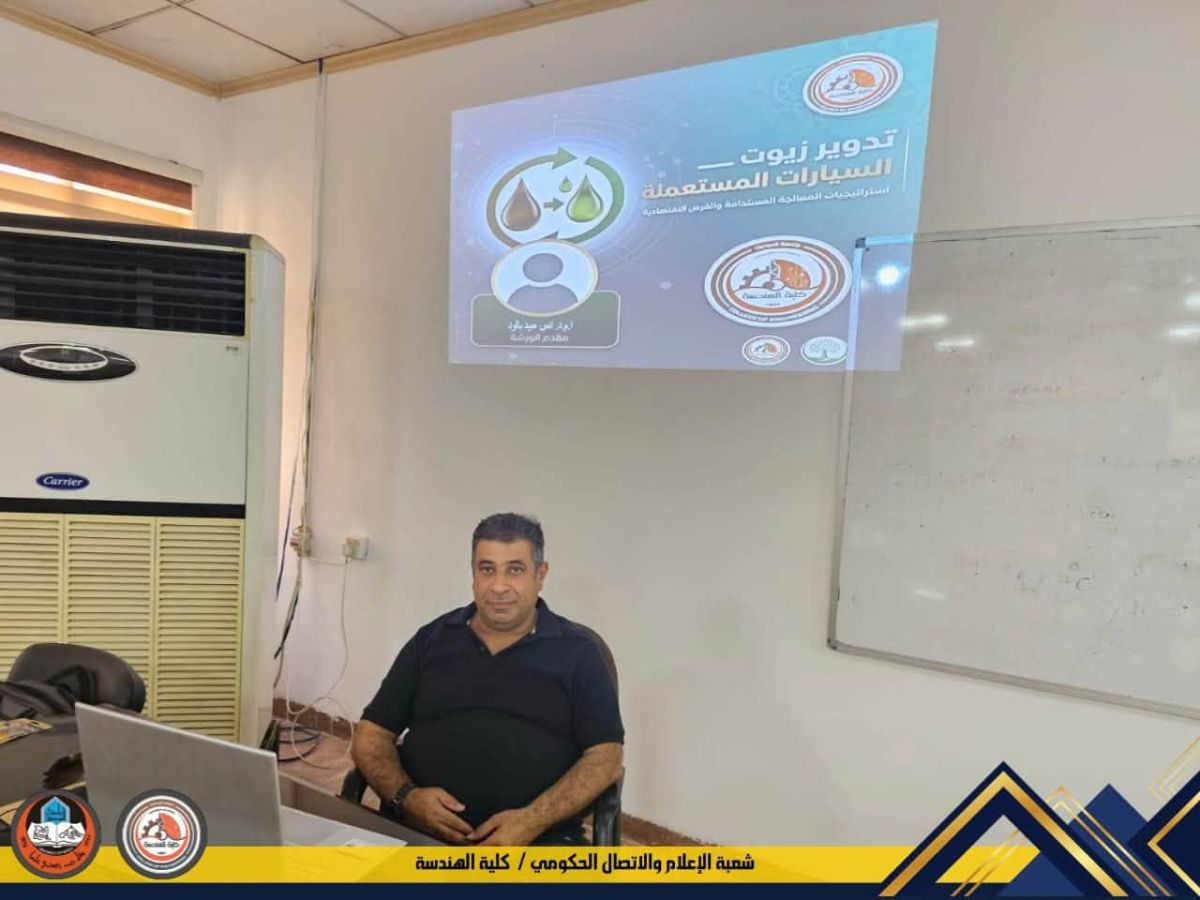
The symposium was opened with a speech by the Head of the Department of Electrical Engineering, Associate Professor Dr. Mohammed Tarek Yaseen. On the sidelines of the symposium, the Department of Electrical Engineering also launched a scientific exhibition featuring several electrical projects that contribute to technological advancement and artificial intelligence. The symposium included recent and valuable research papers presented by a group of the department’s faculty members.
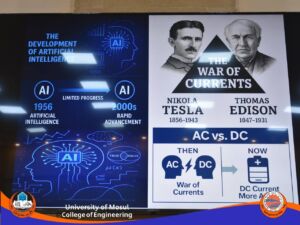
The symposium covered several important topics, including an introduction to artificial intelligence and its applications in electrical engineering, big data analysis, and improving electrical network systems using AI, machine learning in the maintenance of electrical networks and systems, artificial intelligence in renewable energy systems, and future challenges and opportunities in the applications of artificial intelligence in electrical engineering.
The symposium aimed to raise awareness about the impact of artificial intelligence on electrical engineering, discuss the applications of AI in improving the efficiency of electrical networks, explore the role of AI in the development of renewable energy, identify the challenges facing AI applications in electrical engineering, and finally stimulate research and innovation in the use of AI in electrical engineering fields.
The symposium concluded, after discussing the research papers and main topics, with a set of important recommendations, including supporting innovation and entrepreneurship initiatives in AI-related projects linked to electrical engineering, providing an incubating environment for developing ideas and transforming them into sustainable practical solutions, enhancing collaboration with the industrial sector to apply the results of scientific research related to AI in industrial projects and renewable energy fields, contributing to meeting labor market requirements, establishing a university business incubator specializing in AI and electrical engineering projects to support innovations and turn ideas into real products, encouraging contracts with companies and institutions to establish training and research partnerships that provide students and researchers with practical training and professional application opportunities, and providing financial support to establish research laboratories specialized in AI applications in electrical engineering, including equipping the laboratories with modern devices and software.
Finally, the symposium emphasized the importance of adopting modern technological means and advanced software in scientific research, ensuring the development of projects and innovations in electrical engineering.