14 October، 2026
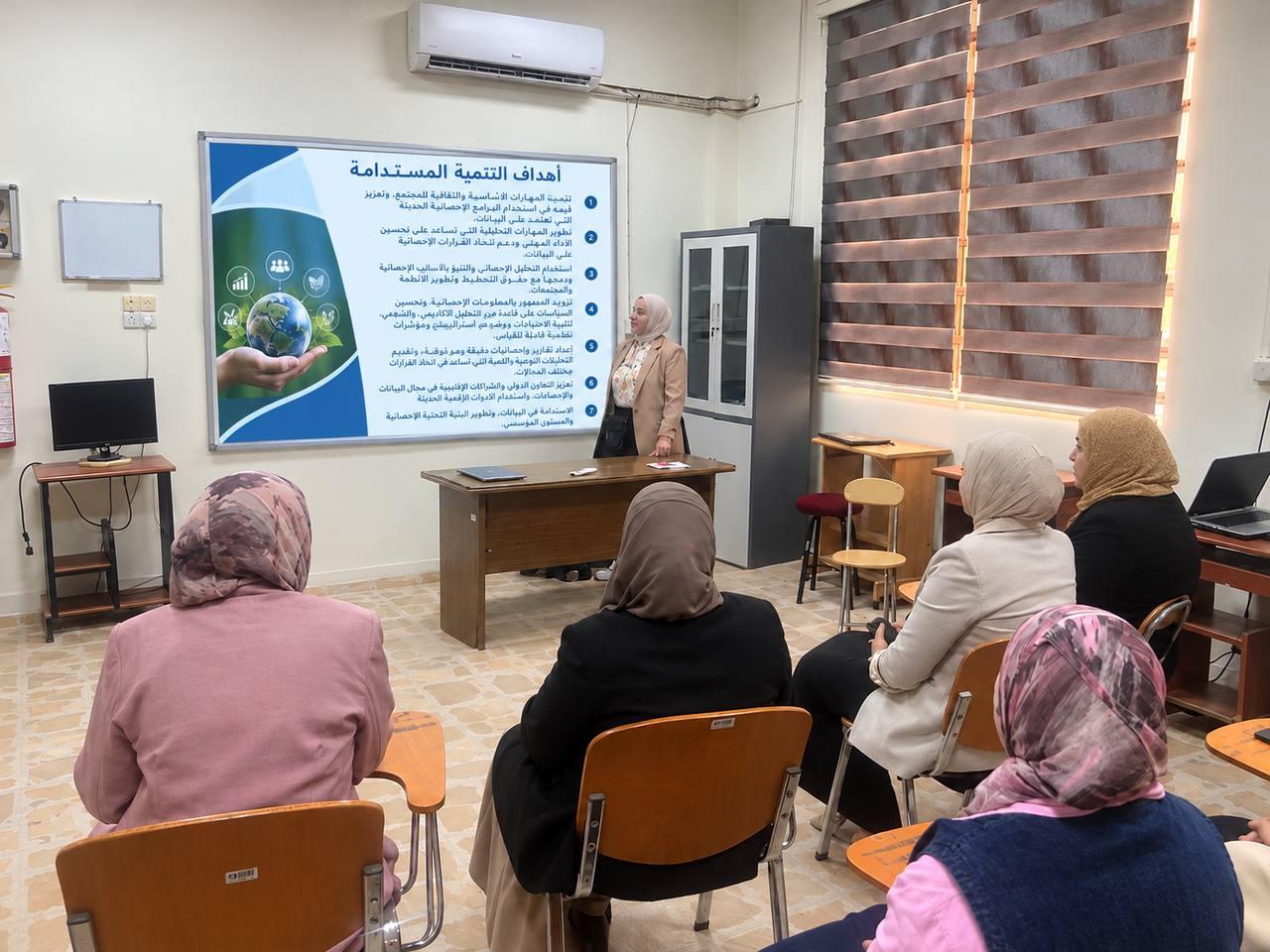
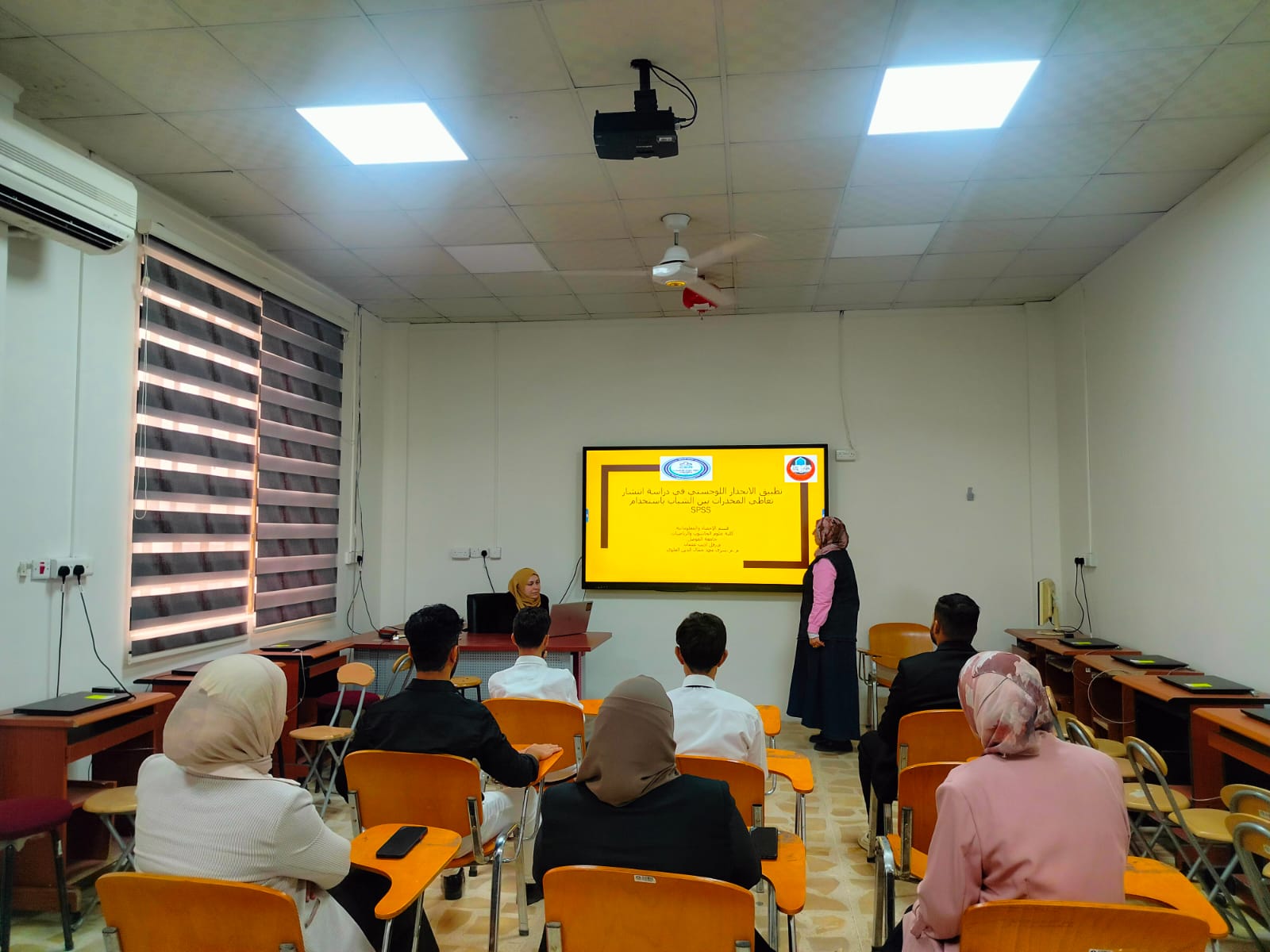
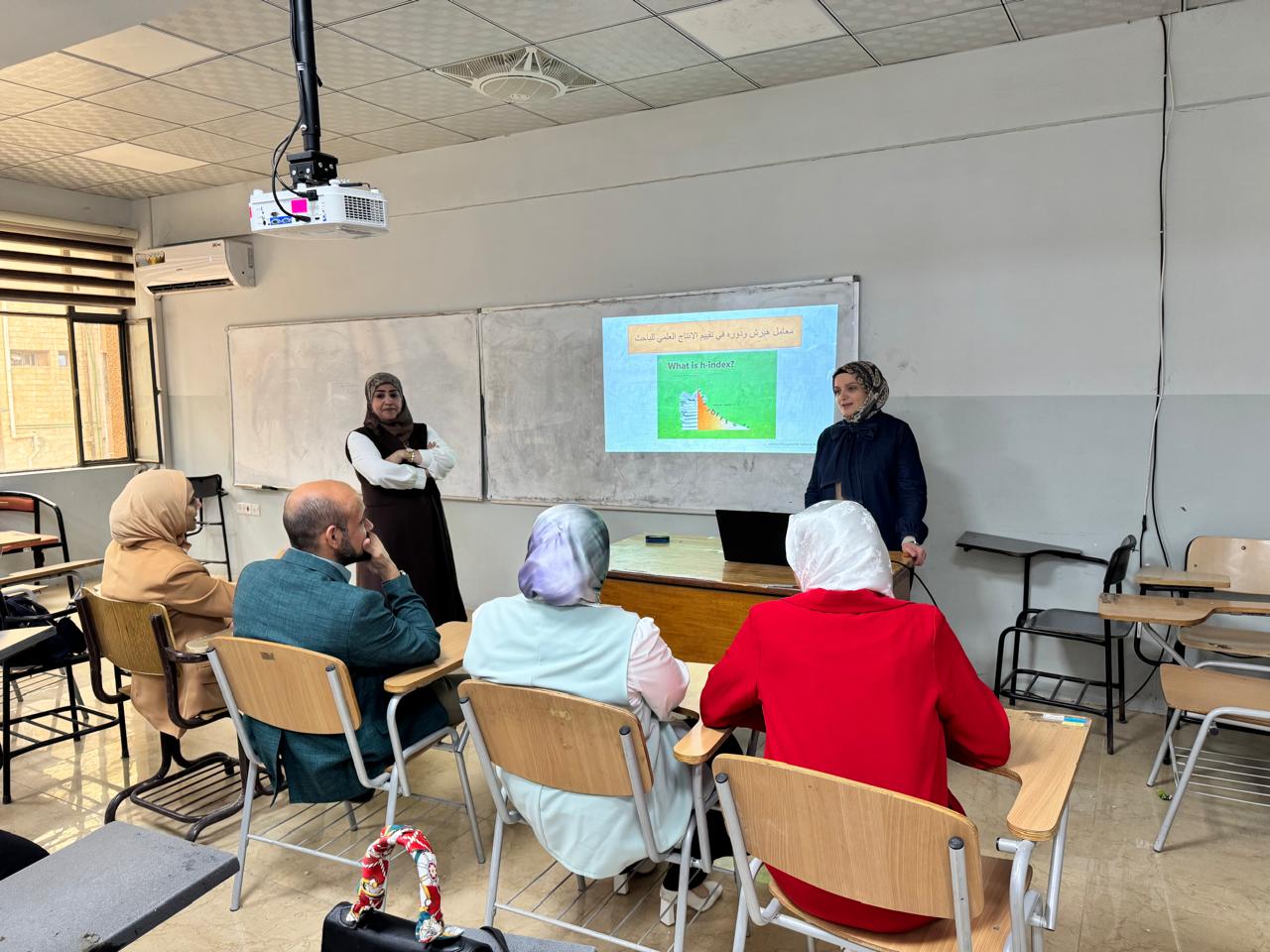
The Operations Research and Intelligent Technologies Department holds a scientific seminar on optimizing inventory management in the healthcare sector.
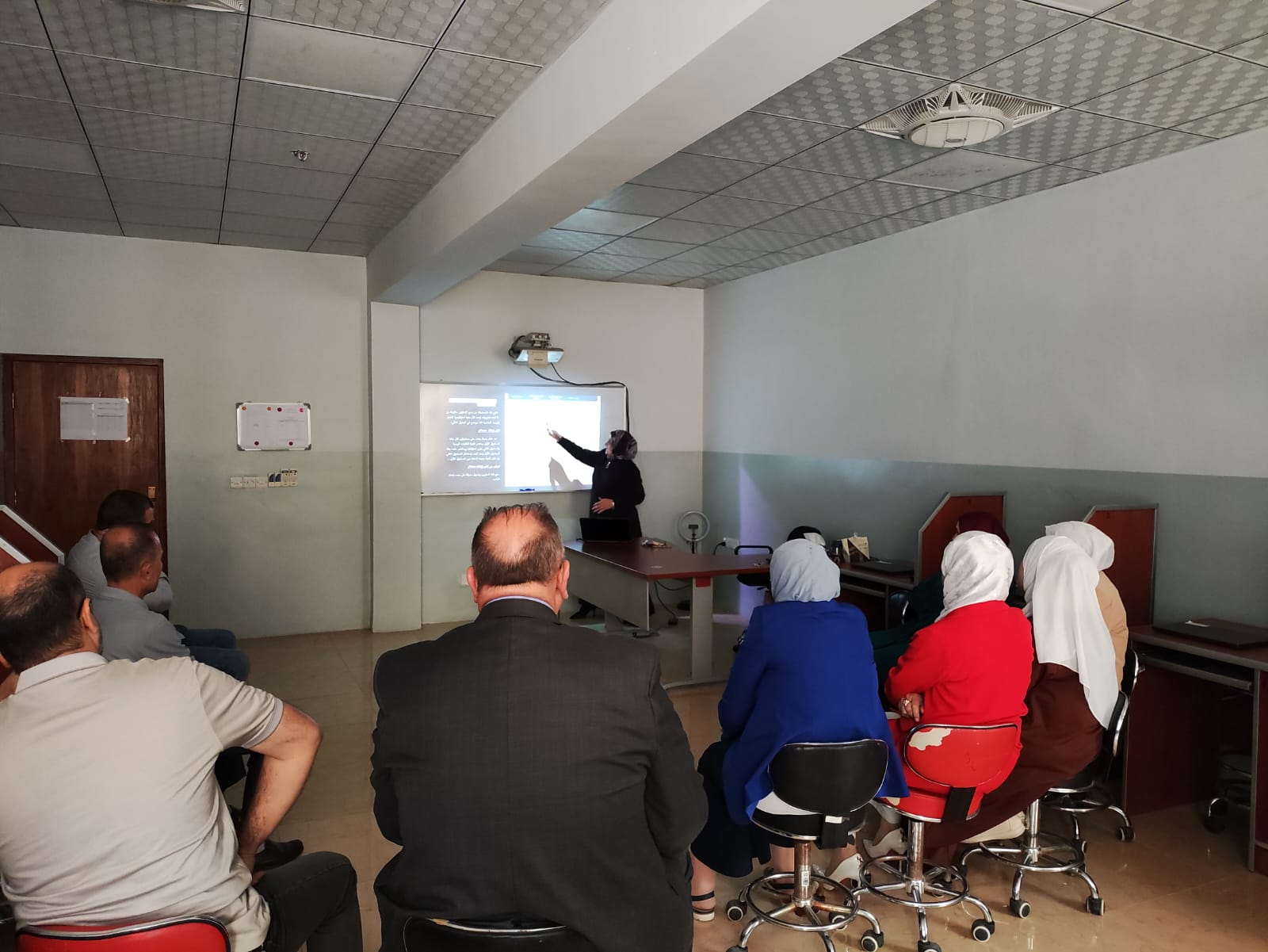
On Thursday, October 8, 2026, the Department of Operations Research and Intelligent Technologies held a seminar in Laboratory Hall (A) titled:
“Integration of ABC-XYZ Analysis in Inventory Management Optimization: A Case Study in the Health Industry”
The seminar was presented by Lecturer Lamiaa Hasim Mohammed and attended by a group of the department’s faculty members and researchers.
The seminar addressed the critical role inventory management plays in controlling operational costs and enhancing the overall performance of organizations, particularly within the healthcare sector. The speaker highlighted the importance of effective inventory asset control in balancing supply and demand, as well as avoiding the risks of overstocking or stockouts—the latter of which could disrupt medical services.
The session also explored the potential for integrating ABC and XYZ statistical analysis systems—alongside Activity-Based Costing (ABC)—to manage inventories of pharmaceuticals, medical supplies, and dental products, as follows:
ABC Analysis (based on financial value): Classifying items into Category A (representing 80% of inventory value), Category B (15%), and Category C (5%) to establish priorities for control and monitoring.
XYZ Analysis (based on demand variability): Classifying products according to the coefficient of variation and forecasting accuracy into:
Group X: Products with stable demand and high forecasting accuracy.
Group Y: Products with moderate demand fluctuations.
Group Z: Products with sporadic, irregular demand that is difficult to forecast. The seminar concluded that integrating these two analyses provides healthcare institutions with a strategic tool for making precise decisions. This ensures the availability of medical care and supplies at the right time and in optimal quantities, thereby maximizing capital utilization and enhancing institutional planning efficiency.
This scientific seminar addresses topics that directly align with several United Nations Sustainable Development Goals (SDGs), most notably:
Goal 3: Good Health and Well-being – This goal is most closely linked to the seminar’s subject matter. Improving the management of pharmaceutical and medical supply inventories ensures the availability of essential treatments in appropriate quantities and at critical times; this mitigates the risk of stockouts and guarantees the continuity of patient care services.
Goal 12: Responsible Consumption and Production – Precise modeling using ABC and XYZ analyses helps curb overstocking and reduces waste or spoilage caused by expiration, thereby fostering sustainable and efficient medical resource management.
Goal 4: Quality Education – Hosting the seminar within a university setting enhances the quality of higher education and scientific research by enriching academic knowledge through the transfer of modern practical applications—specifically in operations research and intelligent technologies—to researchers and students. Goal 9 (Industry, Innovation, and Infrastructure): This theme reflects the use of innovation, smart technologies, and advanced statistical methods to enhance the efficiency of healthcare infrastructure and manage it through modern operational practices.
Goal 8 (Decent Work and Economic Growth): Controlling inventory costs and calculating minimum capital requirements contribute to improving the financial and institutional efficiency of the healthcare sector; this reduces unnecessary operational costs and strengthens the economic stability of healthcare facilities.
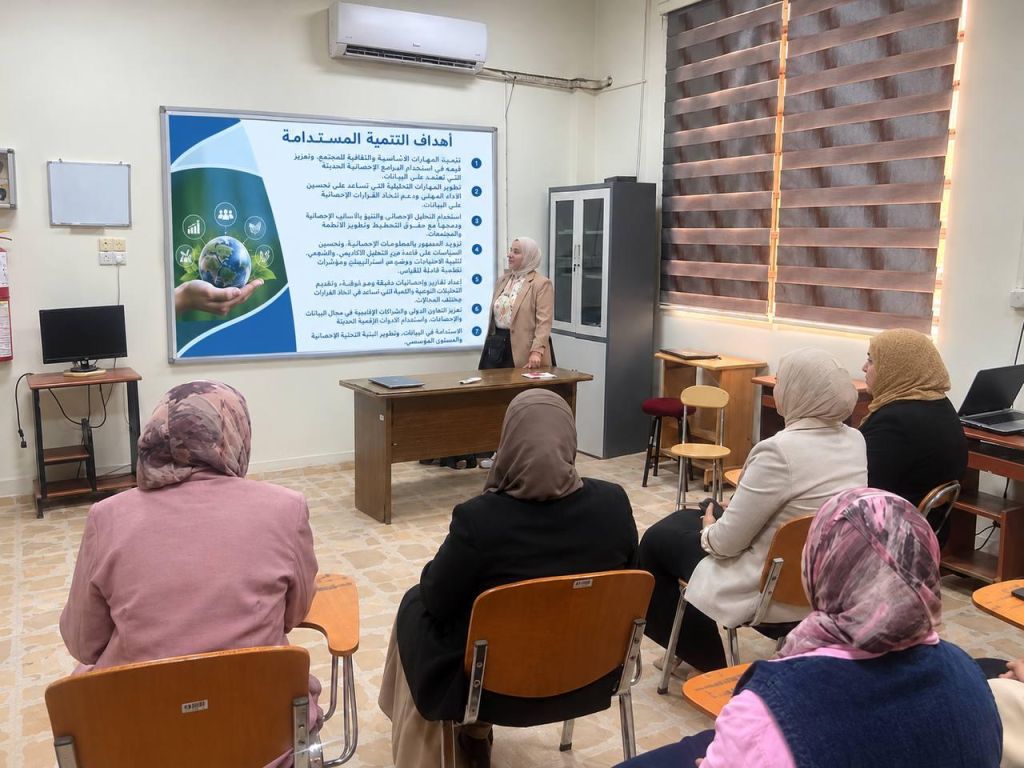 Conducting a course titled: "Statistical Analysis of Time Series Using Minitab"